Happier Through Bright Light! My Winter S.A.D Well-Being Research – 1 Year of Light Therapy Prototypes
Hey there, Alexis here!
When I moved to Berlin, the winter hit me like a a gray, dark, snow-free, depressing blizzard.
So, 6 years ago my personal quest for a light therapy device that works for me started.
Here’s what I found:
TLDR; Get a Luminette 3
I’ve tried a lot of options.
I’ve spent more than 1.000€ on different lamps.
I can finally say: I’ve found my ideal solution: The Luminette 3.
- I’ve used it practically every day this winter.
- It works as good, if not better than all other options I’ve tried.
- One session only takes 20 minutes. (Check out six years of light-therapy experiments below)
- I wear it in bed while waking up, while I’m brushing my teeth, making coffee, breakfast.
- It’s so light and well-designed that I forget I’m wearing it within minutes.
- I can wear it easily in combination with my prescription glasses.
But. Before you read on, please note: I’m NOT affiliated with LUCIMED SA, the company that produces the Luminette. There are NO affiliate links on this page and I have NO personal benefit in recommending the Luminette. Zero. Zilch.
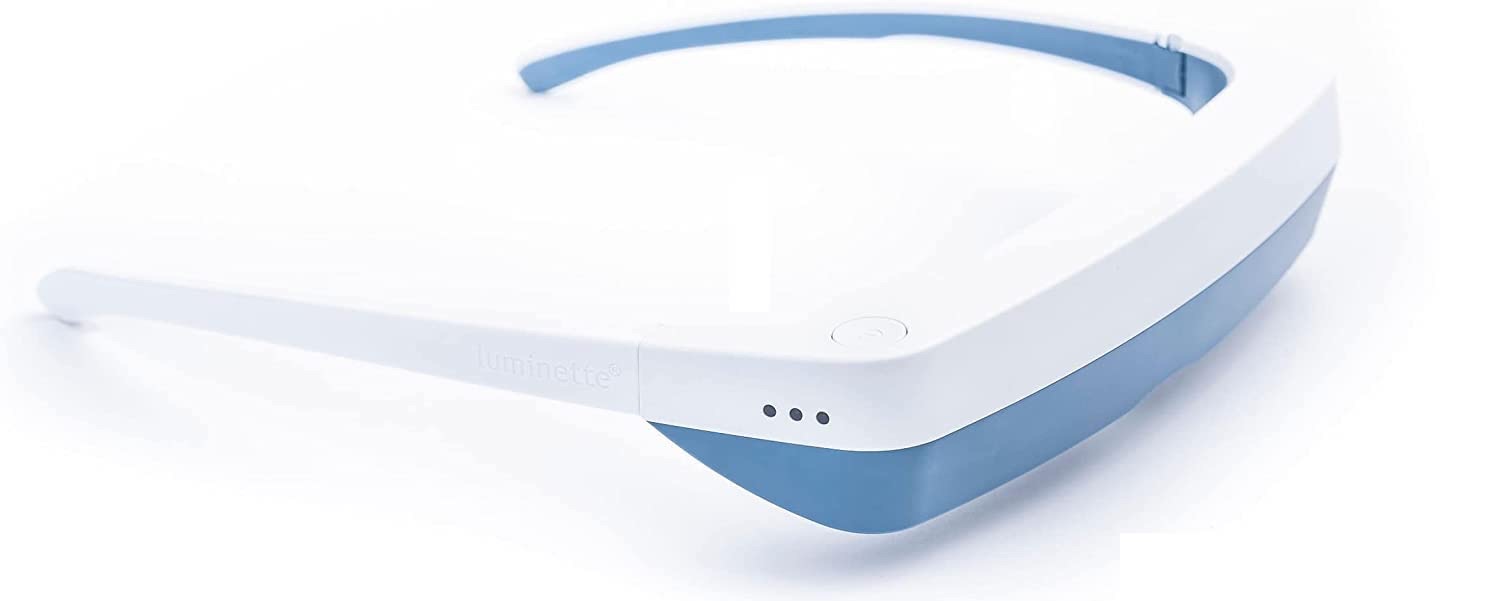
Here’s how you wear it (It’s from their website. Yeah, it’s a bit cheesy but it shows you that it’s not ‘glasses’ but a visor. Even while wearing prescription glasses, I’ve never had a problem with line-of-sight with it.)
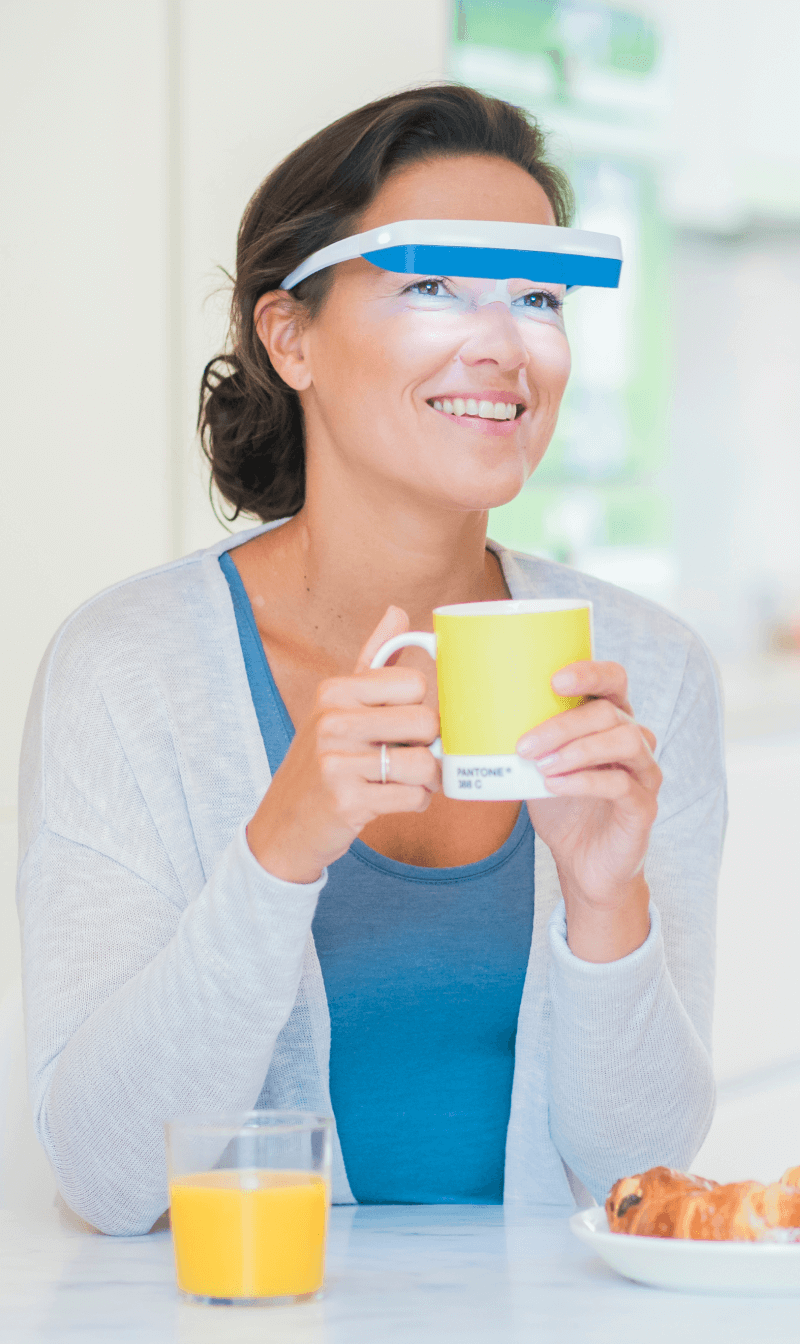
My hot take: At 230€ it’s underpriced
Even though, yes, “it’s just a piece of plastic with some LEDs”, it’s the best-designed user experience.
That matters because all other options failed me to get the amount of light exposure you need to get the benefit.
Based on all other trials below, I now can say that at 230€, this device is actually underpriced.
The short of it is:
- It works as good, maybe even better, as other light therapy devices
- It gives me the experience that I’ve been searching for for 6 years
Everyone who moves to Berlin should be given one of these for free.
The LONG story starts in 2016, when I moved to Berlin. If
2016 – Moving to Berlin
About a year ago I was inspired by my friend Tobi to look deeper into the connection of my personal well-being and the type of light I’m exposed to throughout the day.
I’ve suffered from SAD and depression in the past, especially in winter.
So I got interested in getting more artificial “sunlight” because the winters in Berlin are rather dark and gloomy. I wanted to find a device that would
- Fit in nicely with my existing morning routine
- Have a noticeable positive effect on my mood
What follows is a short overview of all the experiments I built to ensure more “natural” sunlight-type light throughout my day.
Trial 1: “Natural Sunlight Lamp”
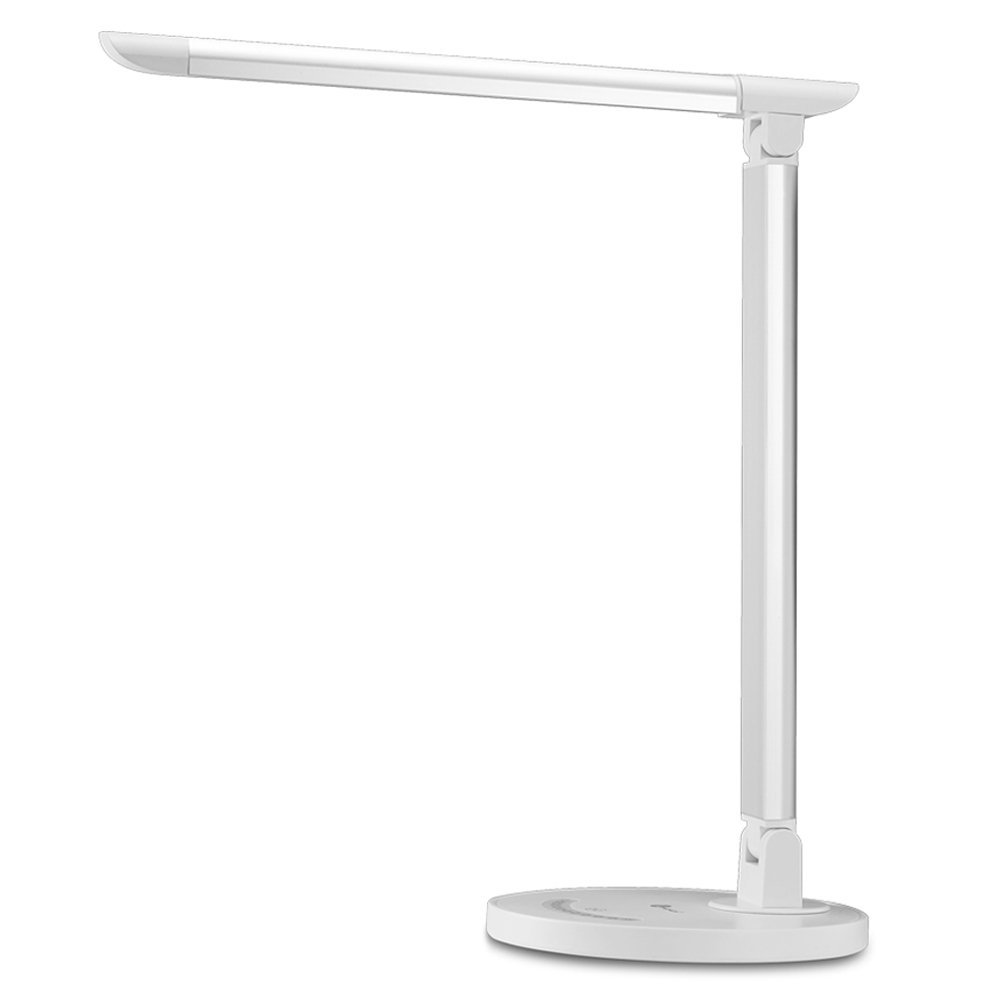
The first thing I bought was one of these “natural sunlight” desk lamps on Amazon. It seemed like a good first option and I liked the idea of having a “passive” device that just sits there while I do my work.
In short, after using it every day for a month or so, I don’t think it had any effect on my well-being. It’s still a nice lamp and the light is okay, but I don’t think it’s a therapy device.
Trial 2: “Indoor Farming Ambient Light”
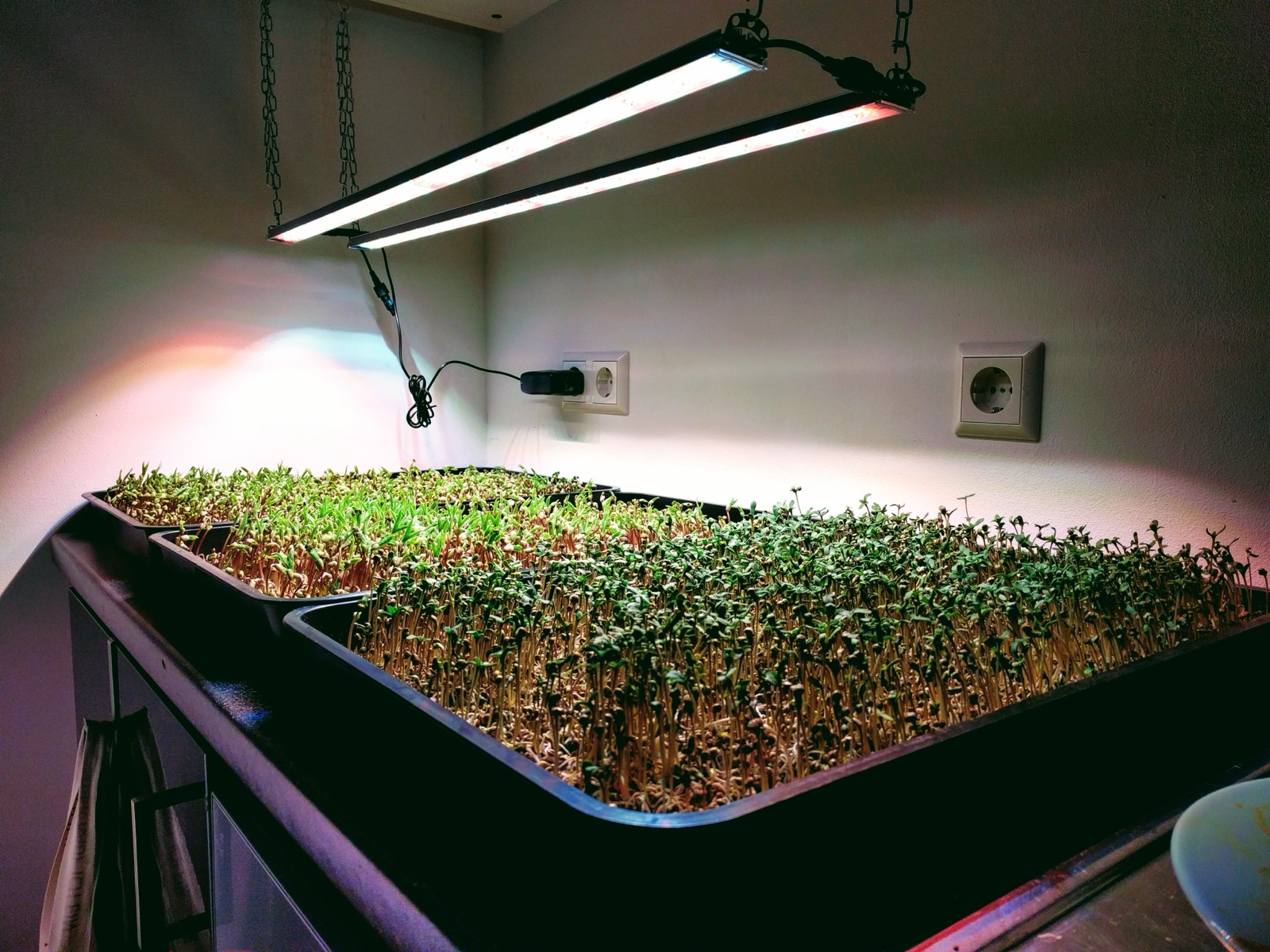
Next up, I figured, “Maybe I can use indoor growth-lights as a sort of ambient light source in my apartment. Again, this would be a “passive” approach. My apartment would be brighter overall and I would get the desired effect through being there.
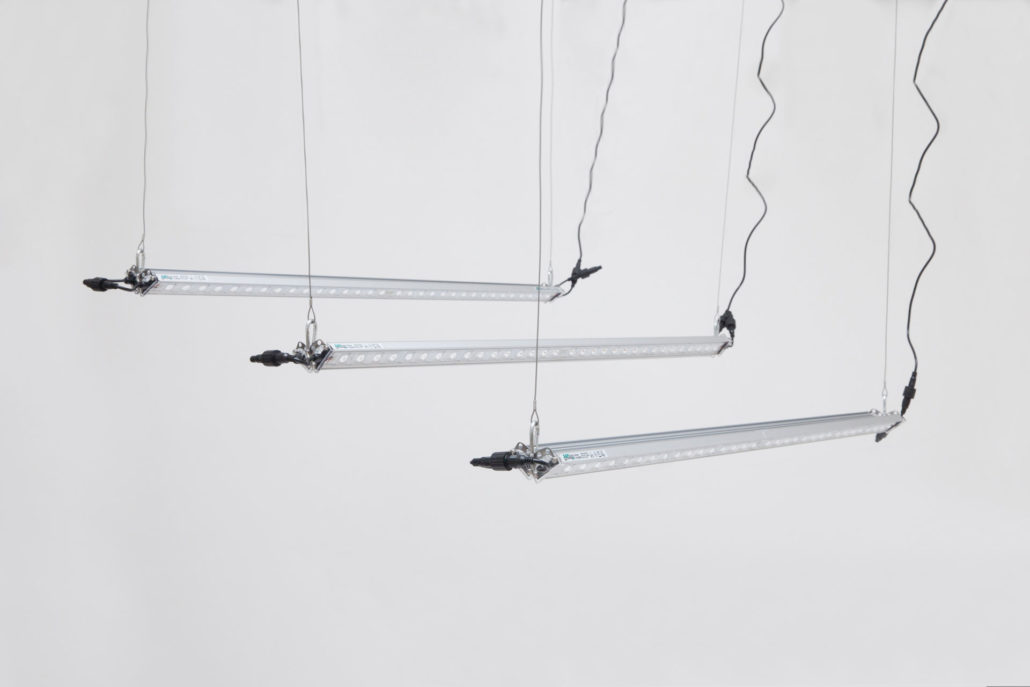
For this experiment I bought professional SanFlex 20 LED arrays and setup (as part of another experiment) my indoor micro greens farm. While the plants grew happily, I don’t think it had any noticeable effect on my well-being. The lights are very bright and I definitely was exposed more to this light, but honestly, I didn’t notice anything different.
Trial 3: “A ‘Real’ Light-Therapy Light-Box”
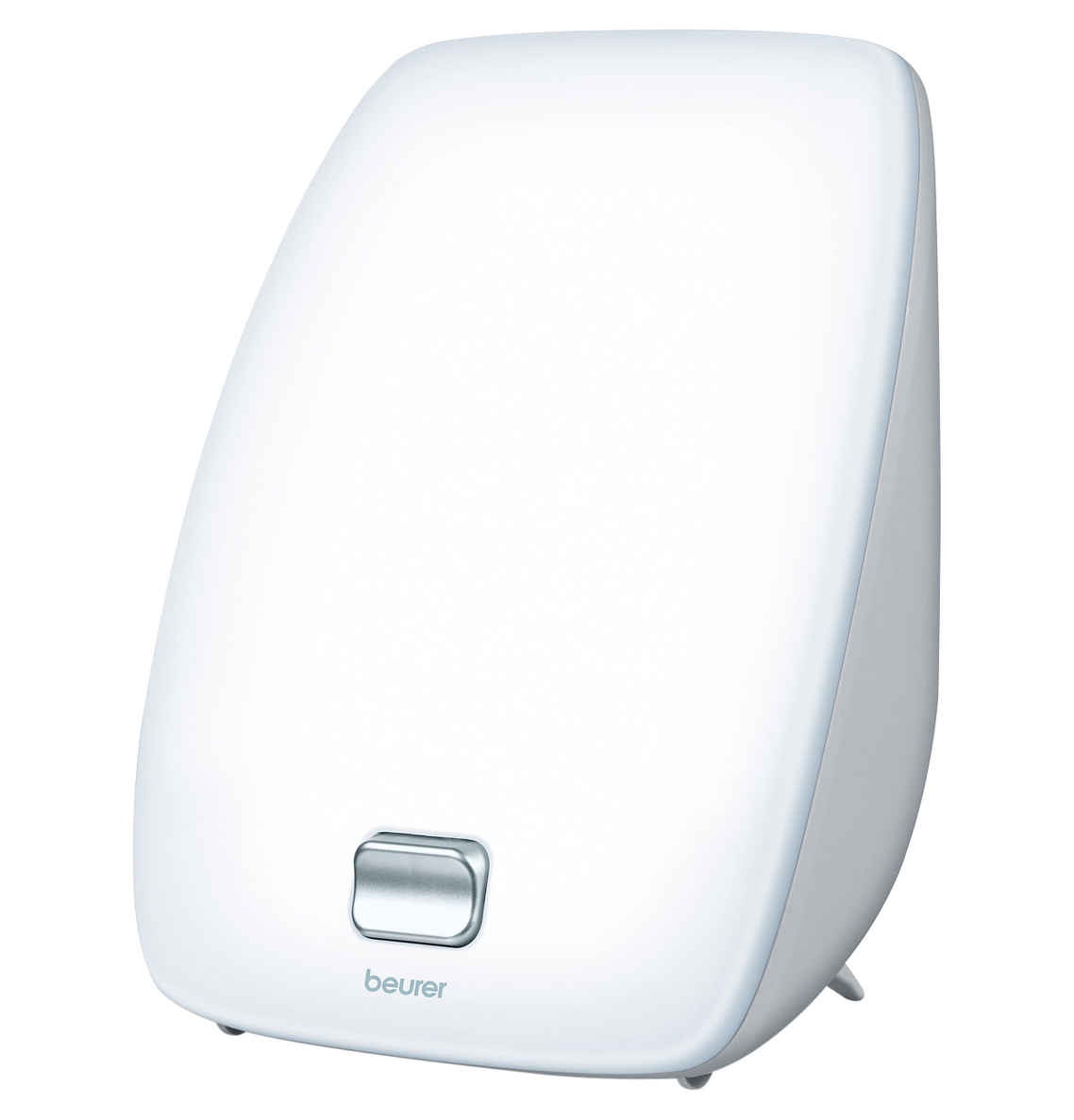
“Okay” I said, “No more passive, make-shift solutions.” I was ready to try out a “real” light-therapy device like the one I bought below. These are actual S.A.D. lamps that are designed to be used “actively” every day by looking into the light and thereby regulating my circadian rhythm and mood.
I used the light-box every day for 2 months in the depth of winter, for about 10 minutes in the morning within 30 minutes of waking up.
This time around I felt like I actually gained the desired benefits. I felt lighter, happier and less depressed compared to the winters before.
I think it really worked well, however, I really didn’t like the usability of the light-box.
You have to sit in front of it, for 15 minutes looking at the bright light. It’s a big “flow-breaker” in the morning, especially since I already have a quiet meditation practice. You can’t really do anything. You have to sit, hunched over, and not really move for a long time.
Not good enough.
Trial 4: “Hacking My Light-Box For Convenience”
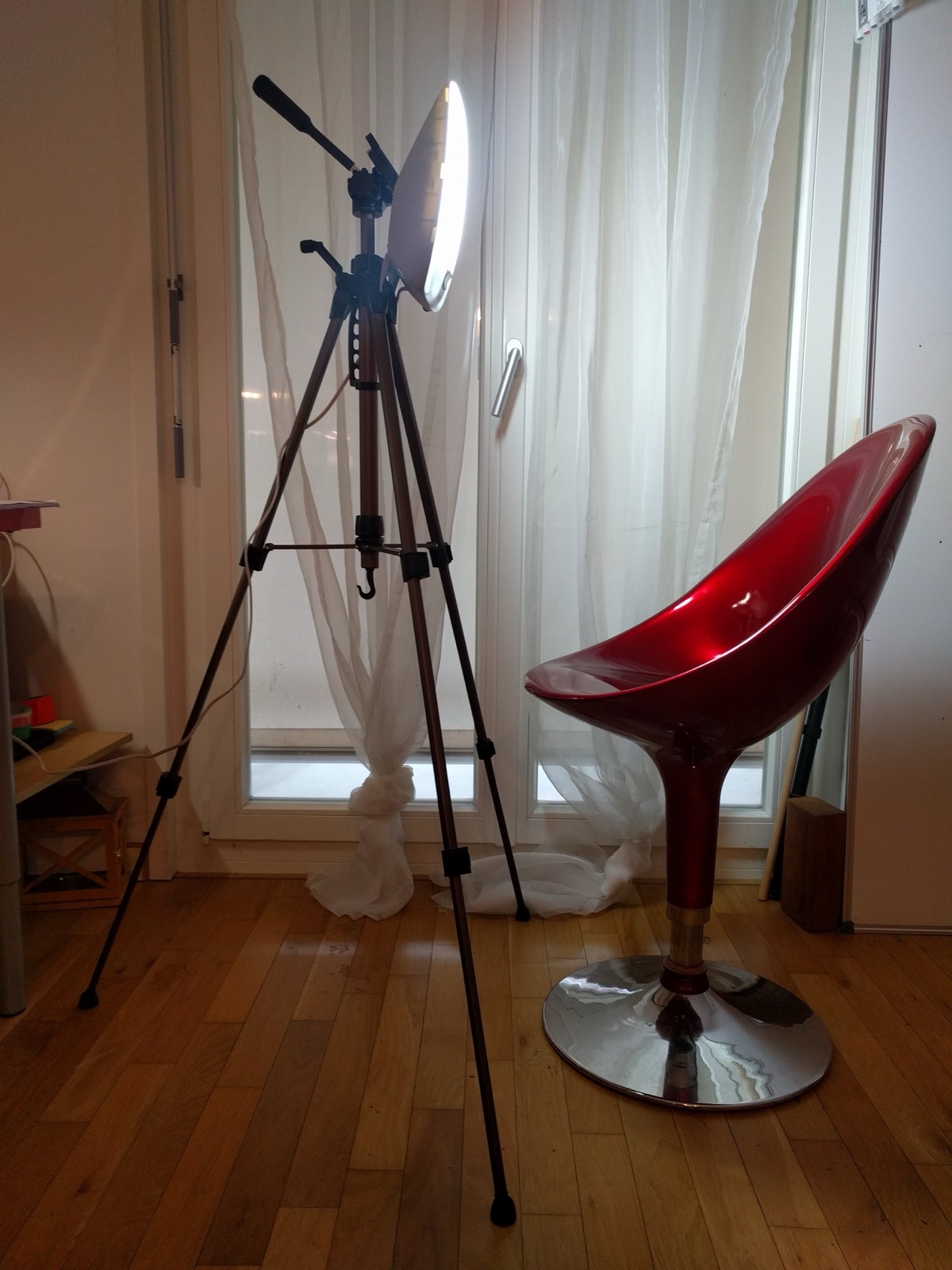
So, next up, to make the sitting session easier and more comfortable, I screwed the light up to a tripod. Combined with a chair, this worked much better than having the light-box on the table.
This worked well, but, what kept bothering me was the whole “sit still for 15 minutes in the morning” issue. Even with a nicer setup. Also, this thing is VERY BRIGHT which, on some days, just feels too much.
Trial 5: “DIY Passive 480nm Wavelength LED Array”
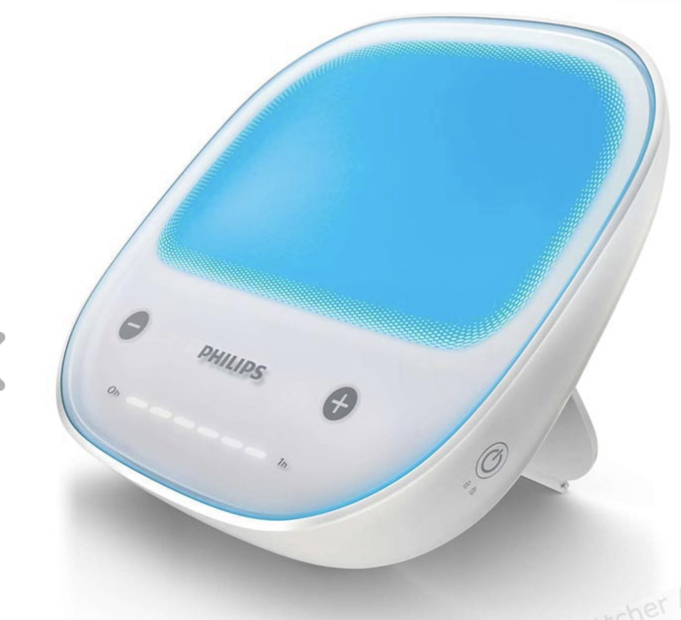
So, I went back to Amazon and looked for alternatives. One of them was the Philips GoLite that, based on research, works passively (You can have it close by while working, for example) and uses blue light at 100 LUX instead of 10,000 LUX white light.
Only problem was the price tag of more than $200 which at this point I didn’t want to spend.
So, I looked around and found the documentation and found the wavelength of the blue LEDs in those lamps (480nm) and figured, “what if I build my own?”
So, together with my dad, that’s what we did.
I wanted to have a blue-light lamp that I could use “passively” while working that wasn’t too bright and could produce results.
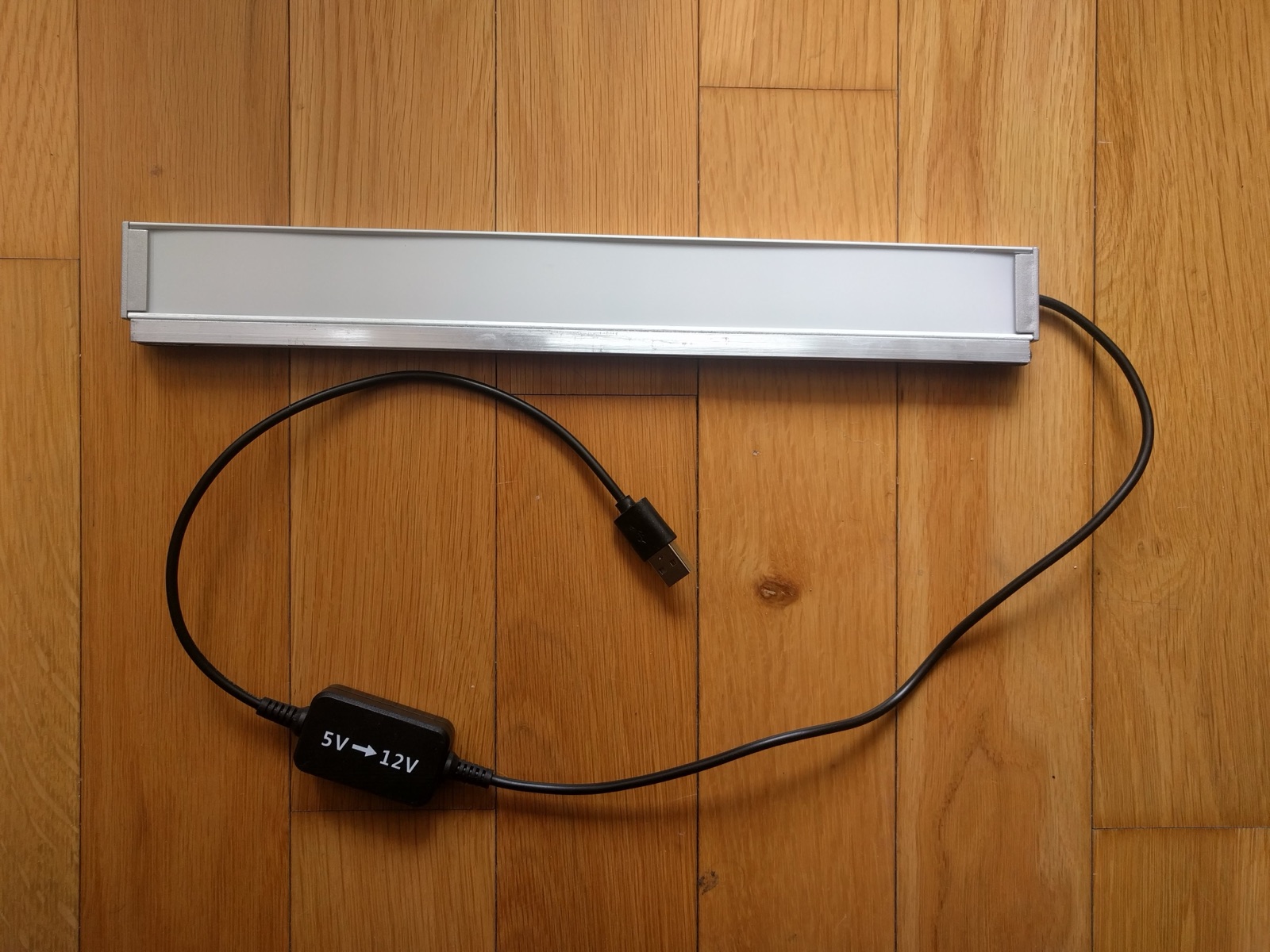
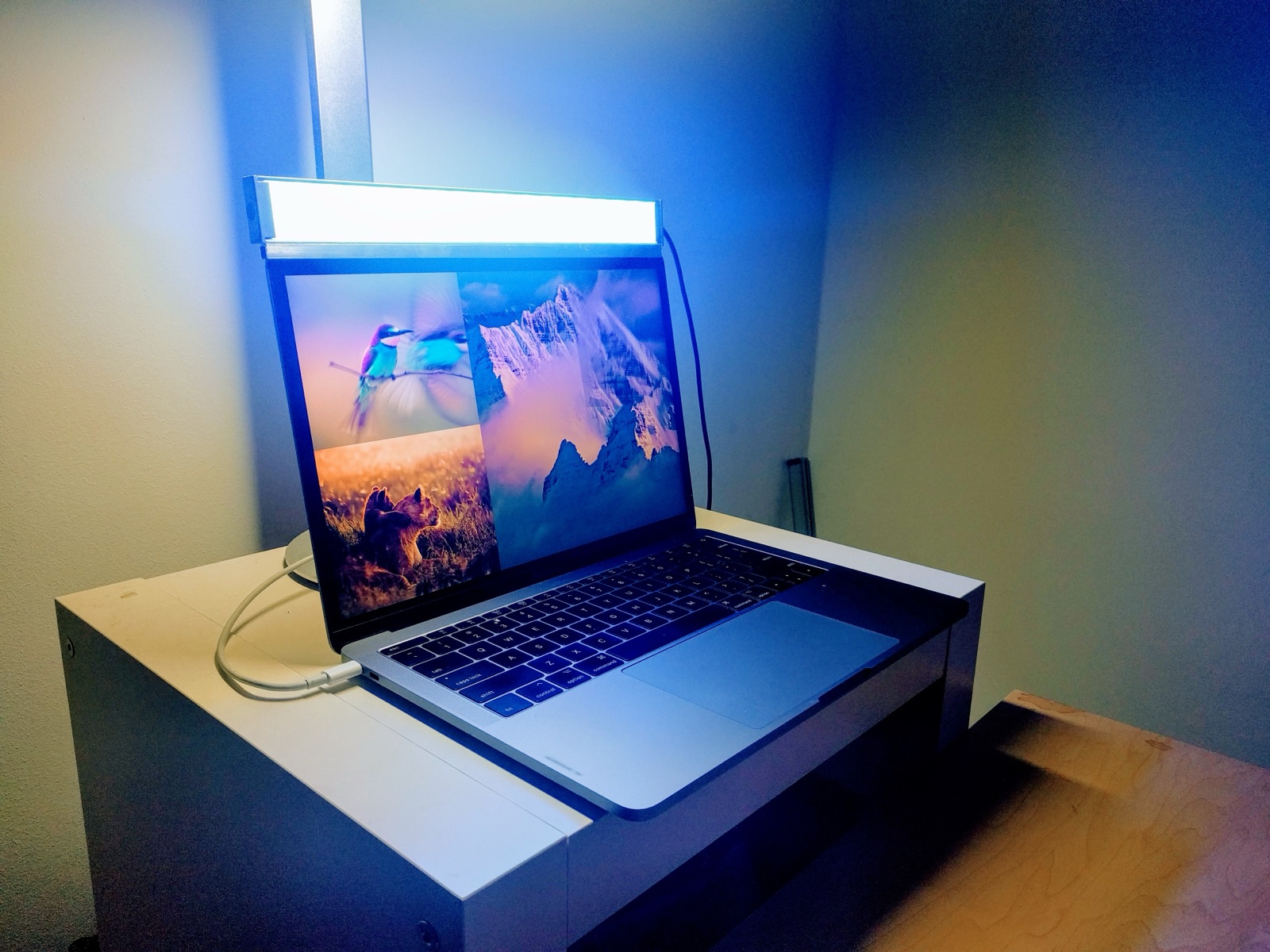
We went through several versions, but they all had in common this snap-mechanism to put it on top of my laptop without being too bright.
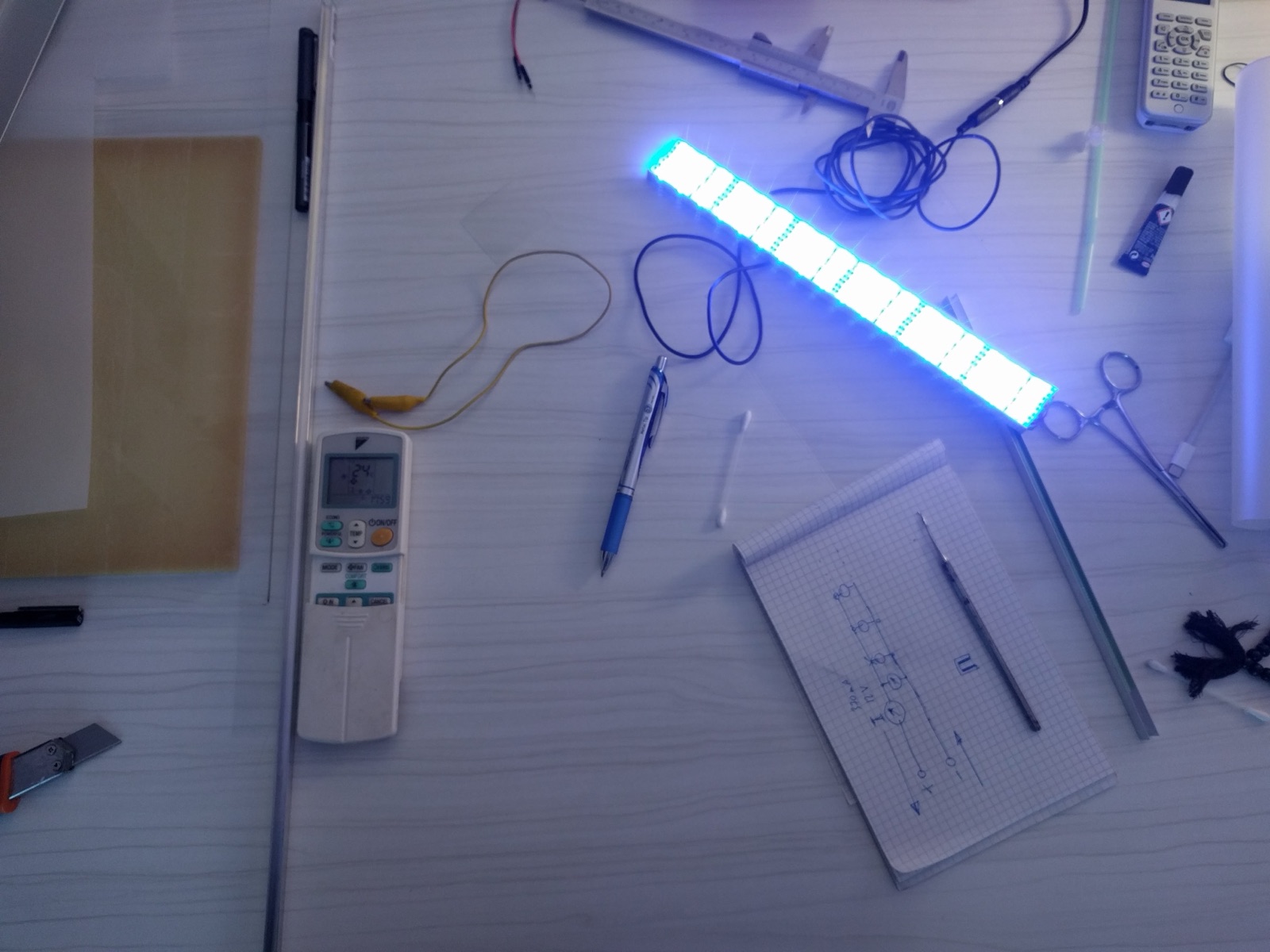
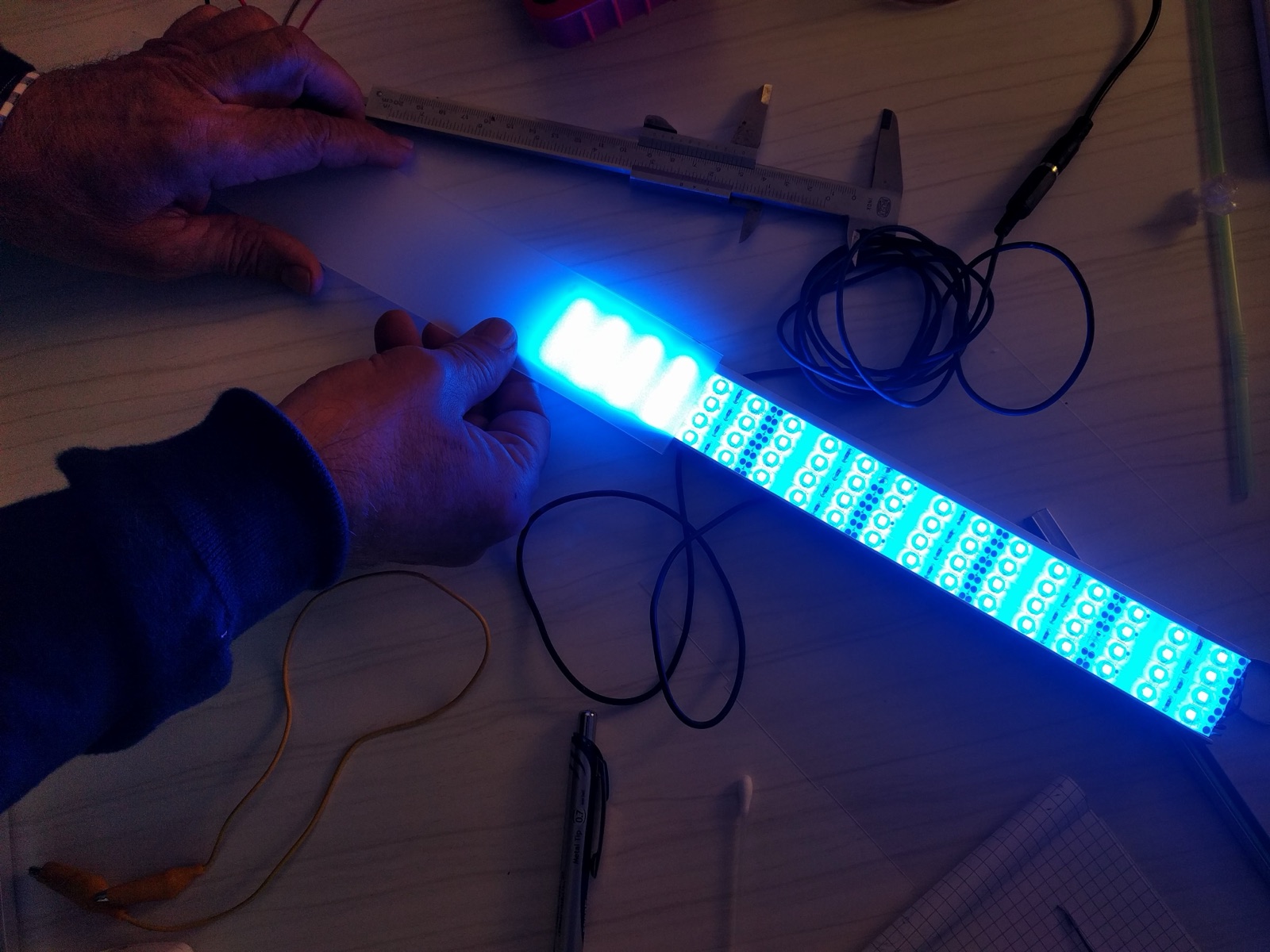
The first version was clunky but usable:
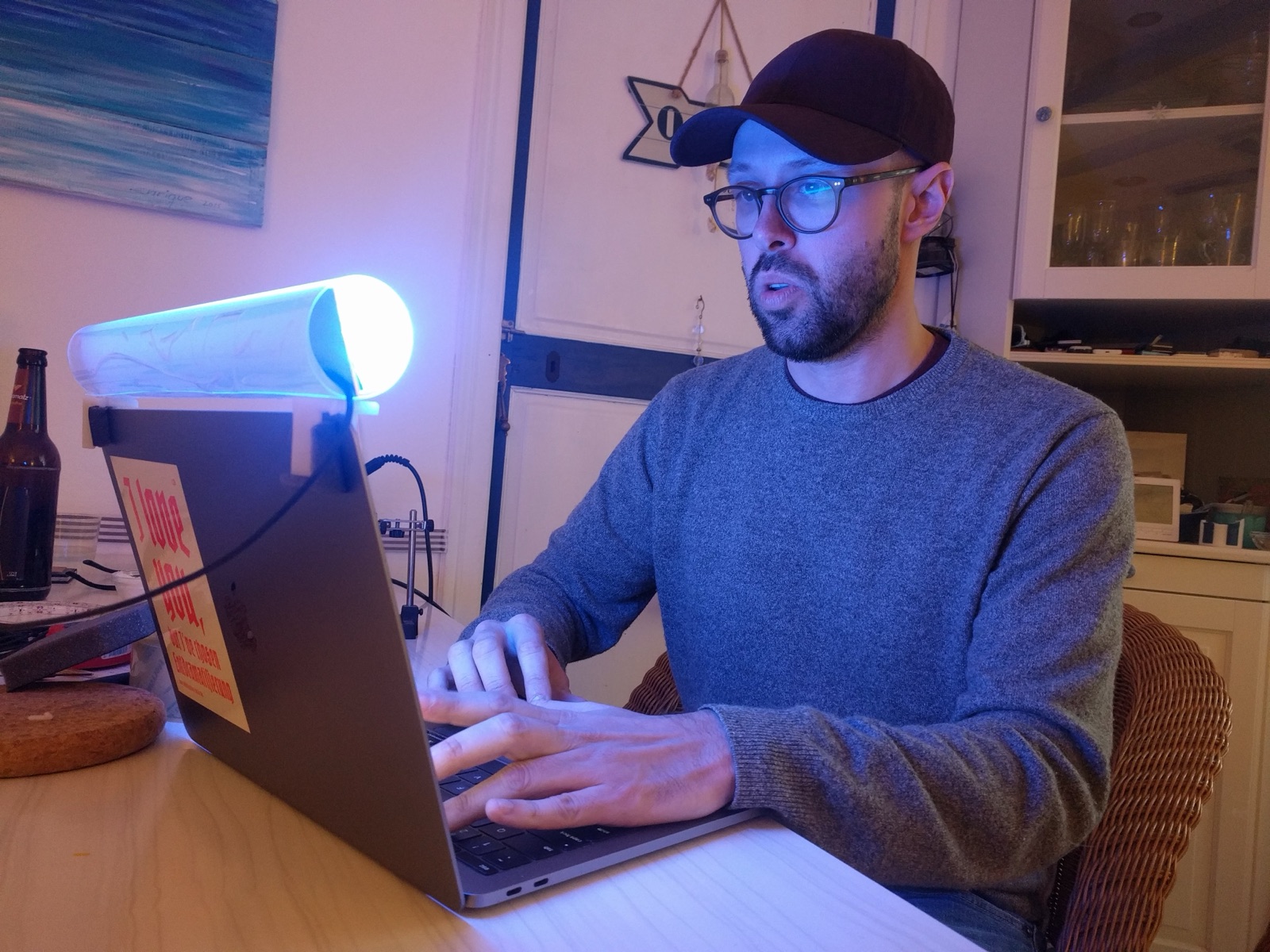
The final version was actually pretty slick and thin and snapped nicely on the laptop. At that point it was also USB powered, so it was fully self-contained. The lights were 750nm wavelength LEDS.
Overall the experience was excellent. I felt more alert over weeks and felt happy with the usability of it. I could just go about my business and I’d get the right amount of light into my face and eyes directly without having to pause or wait.
Also, it still worked even though the light wasn’t very bright. For a while I was very happy.
Now, (un)fortunately, around that time I found studies about how unhealthy this particular blue light is to the eyes in the long run. One of the articles was (in German) https://www.spektrum.de/news/warum-blaues-licht-den-augen-schadet/1584090
Bummer.
So, I didn’t want to risk long-term issues from using very blue light regularly.
Plus the summer came and I didn’t need any devices for the time being.
Now, as winter is coming closer, what’s next?
Trial 6: Trying “Trans-Cranial Bright-Light Therapy”
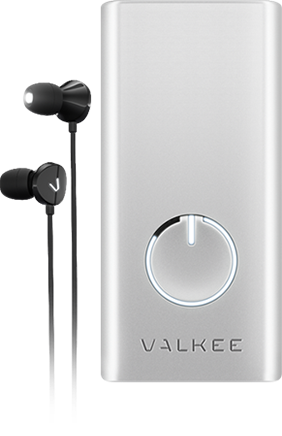
While reading Tim Ferriss’s “Tribe of Mentors” someone mentions a device called “The HumanCharger” which piqued my interest.
As it turns out, it’s also a light-therapy device. BUT, instead of using the eyes to “administer” bright light, it’s using the brain directly.
Super freaking exciting.
It’s earphones that emit bright light straight to the brain.
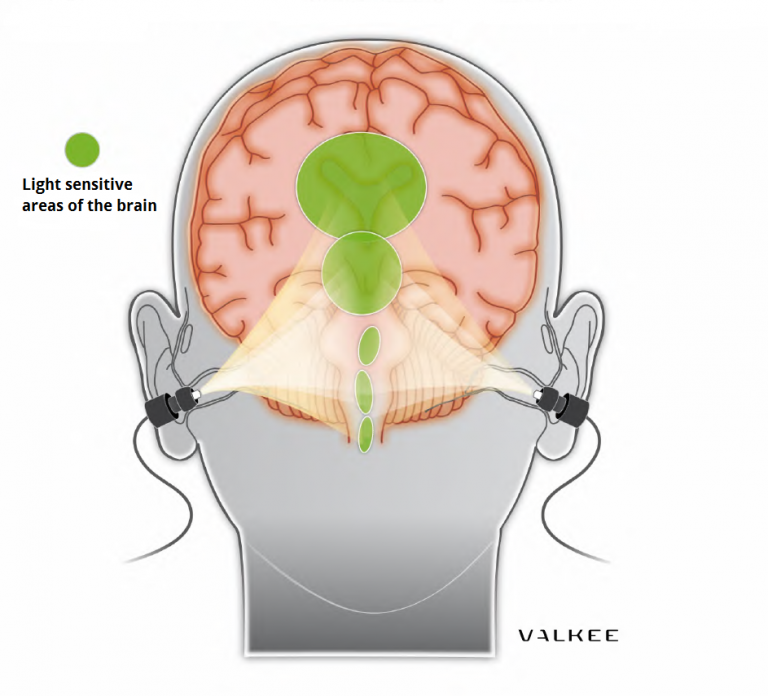
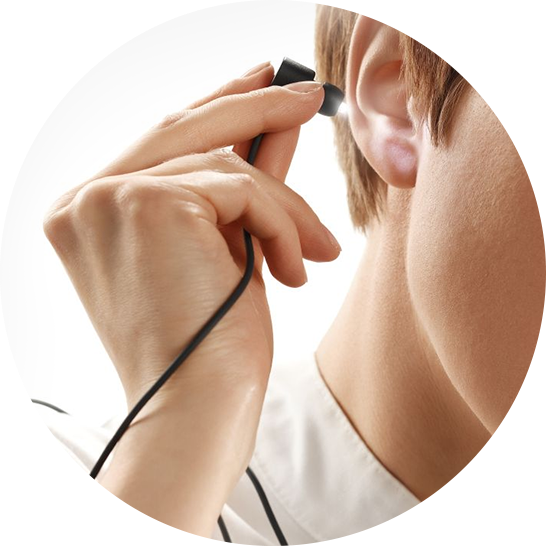
Now, the first thing I noticed in their research was the claim that “The human brain, per se, is sensitive to light.” So, before spending $200 on the device I figured I could build something myself… A braid of sorts with LEDs shining into my cranium!
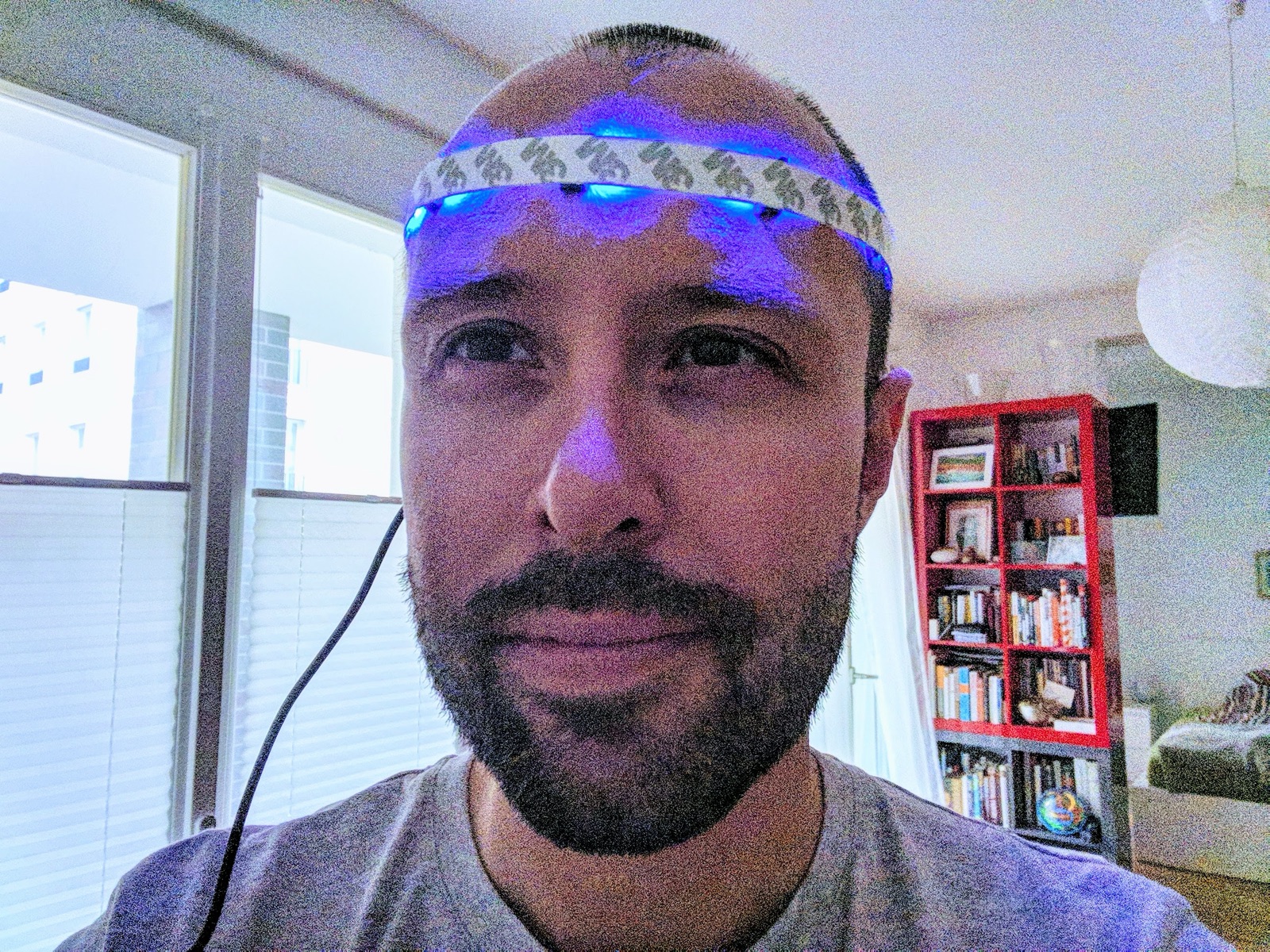
Well, suffice to say, that this was not very comfortable and I didn’t try to use it for long.
But my interest was there. Transcranial light-therapy!
So, today, I ordered my pair of HumanCharger and can’t wait to start testing it out. It’s going to arrive in 2 weeks. CAN’T WAIT.
It definitely has a lot going on for it in terms of usability and ease – from what I can tell. I’m super excited and have high hopes for this winter. If it works, it’s an absolute no-brainer.
Where I can get the benefits of a bright light-box without having to sit down and sit still for 15 minutes.
That’s all I ask for.
Follow-Up on Humancharger
In short: It had NO noticeable effect even after weeks of use in accordance with the instruction manual.
Compared to the big Beurer light box which had an direct effect, the Humancharger is not an option. Period.
I wrote a few notes on my experience here, and here but because it didn’t work at all, and having lost 200€, I felt no motivation to do a write-up after.
Trial 7: Giving a more compact LED-based Lightbox a spin
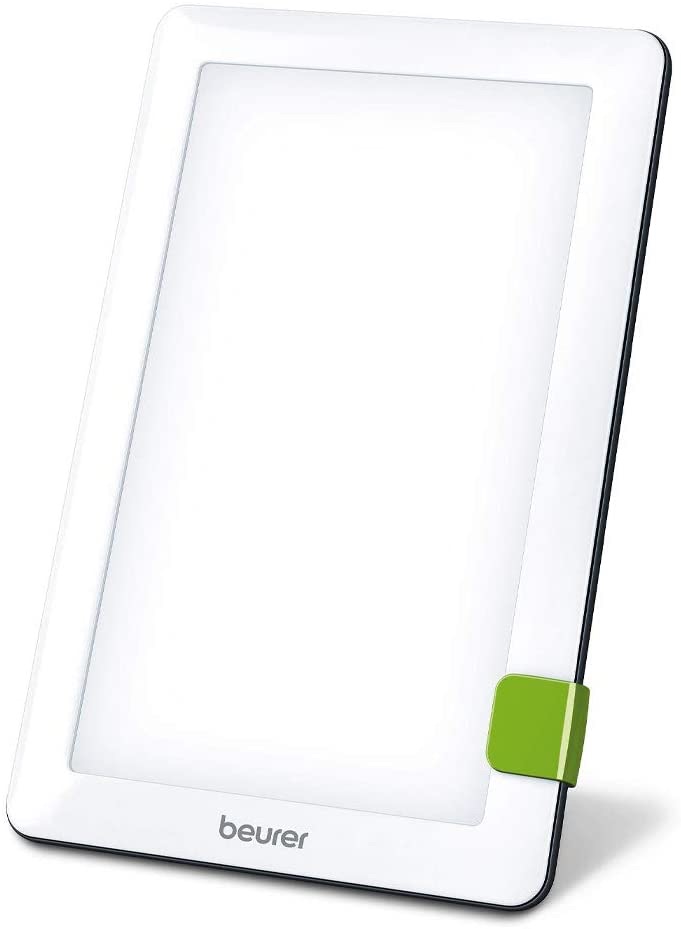
I wrote a longer review on this one here My Light-Therapy Lamp Solution with Kindle because I had such high hopes but got so frustrated with the abysmal UX of the device.
Since using the lamp with my Kindle didn’t neatly fit into my daily schedule, I placed this lamp on my bedstand and used it while I was still waking up in the morning, in bed.
Unfortunately, there is nothing agreeable or soft about turning on a 10.000 LUX lamp in your bedroom at 6:30am, especially since I have a partner who would like to start their days somewhat slower.
To their credit though, just like the bigger light box I used in the earlier trial, this works.
However, it only works (and that’s the whole RUB of this series of trials) if you can make yourself SIT for an extended period of time in the first hour of waking up without moving much.
Finally: I found my ideal solution!
This journey started 6 years ago and I’ve tried a lot of options.
Today, I can finally say: I’ve found my ideal solution. It’s called The Luminette 3.
And even though, yes, one could say “it’s just a piece of plastic with some LEDs”, it’s the best-designed UX for the occasion.
Based on all other trials above, I now can say that at 230€, this device is actually underpriced.
What do I mean with underpriced?
In fact, in my calculation, the whole package should cost 280€-300€. This will be eventually have to be a longer post with a detailed breakdown, but in short:
- It works just as good as other light therapy device (Base-cost of an average SAD lamp ~50€)
- It gives me a supreme UX that I’ve been searching for for 6 years (Worth to me: 230€)
Notes on Luminette 3
As I shared on HN in response to “Ask HN: How do you navigate Seasonal Affective Disorder?” yesterday:
After moving from New York to Berlin, the impact of SAD hit me hard.

So, my short answer is: I am absolutely in love with my Luminette 3. I use it every day in the morning.

<mark>In my opinion, even though it's "just a piece of plastic with a few LEDs" (it is), I believe it's actually underpriced at 230€ because of its supreme UX compared to all other effective options.</mark>
And to clarify again: I’m not affiliated with LUCIMED SA, the company that produces it.