Aman Sanger on scaling Cursor to $100M in revenue in 12 months
The four co-founders started working on Cursor in January 2023.
“It was about 2-4 months of experimenting, trying different things and finding something that fit,” Aman recalls. “Then we shipped it and it had an okay launch.”
The initial version of Cursor got some initial buzz because they shipped it with GPT-4 at a time where very few products were using Open AI’s latest model. But then usage tanked.
The team began to doubt their approach after the failed launch. Aman explains:
“The entirety of that summer was just incredibly slow growth, and that was somewhat demoralizing. The big question in our minds was, ‘Are we being too ambitious?’ We were trying to build this general purpose thing for all engineers, but with this really small team, maybe we should focus more narrowly on some particular use case like tests or bug detection.”
But the fact that they were users of the product gave the team the confidence to keep going down their initial path:
“The really magical thing about this product was that we were users of it. So we could iterate incredibly quickly, and we tried all these different things that summer. Then we found this core set of features that worked incredibly well.”
The two key features were Command K for instructed edit ability and code-based indexing that let you ask questions about your whole code base.
“After we integrated those two features and launched them, growth kind of just took off.”
Aman continues:
“A lot of the work of Cursor has been just experimenting with what is possible. For everything you see in the product, there’s like 10 failed experiments that didn’t work… All of our work for the first 6 months to a year was trying to find new ways to harness these models and make these models better for programming.”
Another factor that contributed to Cursor’s success was their willingness to ship half-finished features:
“We released these half-finished things, which a lot of our competitors refused to do. The first version of Copilot++ and Cursor Tab sucked. But once you release it to the world and see how people react to it, you can improve on it a ton… We biased toward releasing as soon as something shows signs of usefulness to the team.”
@StartupArchive_ Shout out to @iannuttall and his early Cursor tutorial videos! Ian's explanations were the missing link I needed to finally "get" it. And fast.
I send the playlist to every new-joiner to our team as a quick-start.
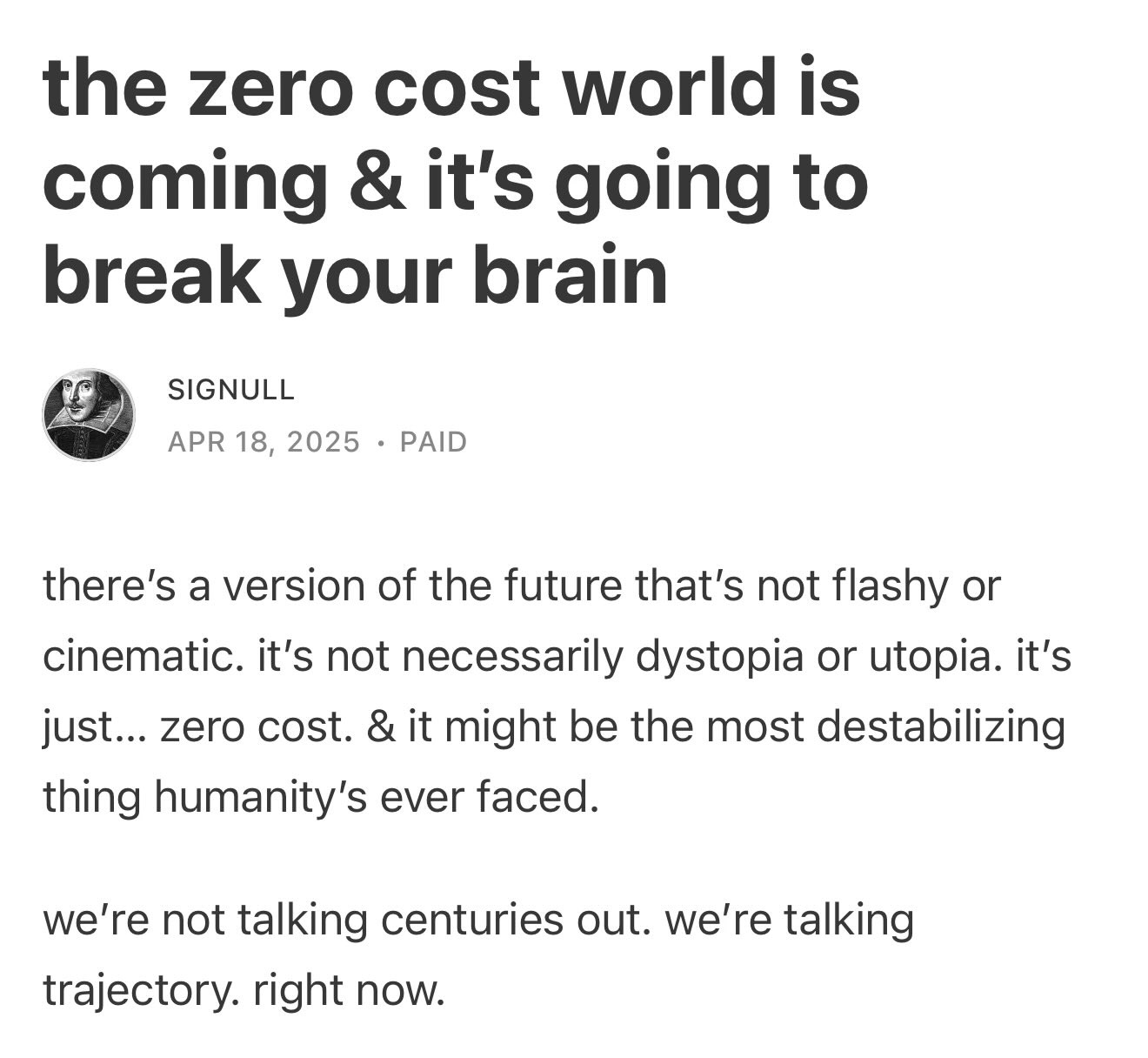
was talking to a friend about my product manager post & we were both like, how are there still so many ppl who can’t build anything, even with ai holding their hand? it’s ridiculous. there are too many thinkers, not enough builders.
if you have an idea, you build it. that’s the only way to test if it holds up. bezos made people write six page memos instead of slides to force clear thinking. that was smart then. but now prototypes do the job better.
As soon as Claude artifacts came out last year, I prioritized one-on-one hour-long sessions with every product manager and designer in the past org I was in.
I really thought that this was it! No more waiting on engineers (like myself btw) to get through the first five iterations for weeks and months. They could do it in a few hours.
It did not register with even one of them. I got mostly blank stares, confusion, or rejection ("I'm only going to use Figma because that's what I learned and that's what I was hired for.")
Almost exactly the same resistance with the software engineers. It took me two, almost three years now, with demos and tutorials and weekly show-and-tells for them to "accept" Cursor.
Completely different with our sales and ops team: Fully self-enabled, building prototypes, assistants and end-to-end production systems since management ChatGPT.
My favorite quote from the sales team at our first day-long "AI Hackathon" last year:
"We started the day working on this idea but we had shipped it before noon. So we started the next one and we're almost done. It'll save us about 50 hours per week at a minimum."
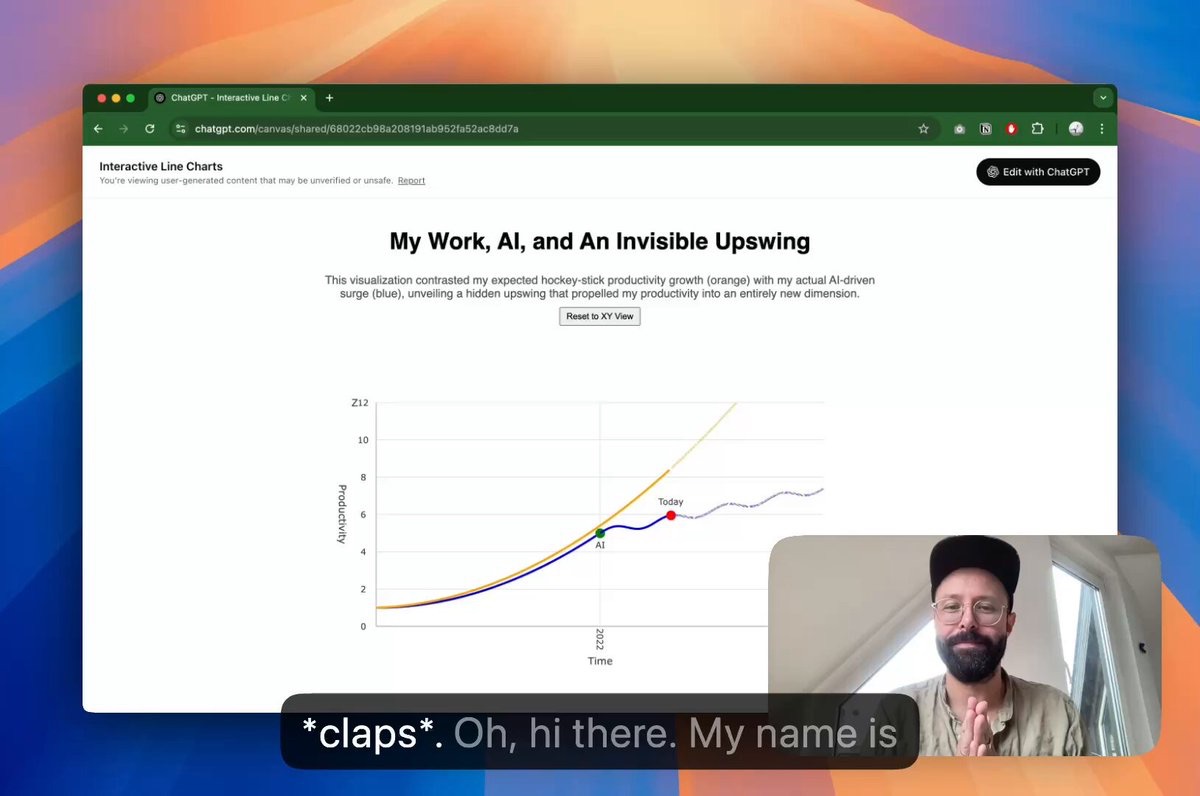
@signulll Agreed, it's awe-inspiring. I think the before/during/after Empire State Building analogy is a good analogy.
If I understand correctly, you're already seeing "the finished building even though they only put up the steel columns and beams for the bottom 30 floors."
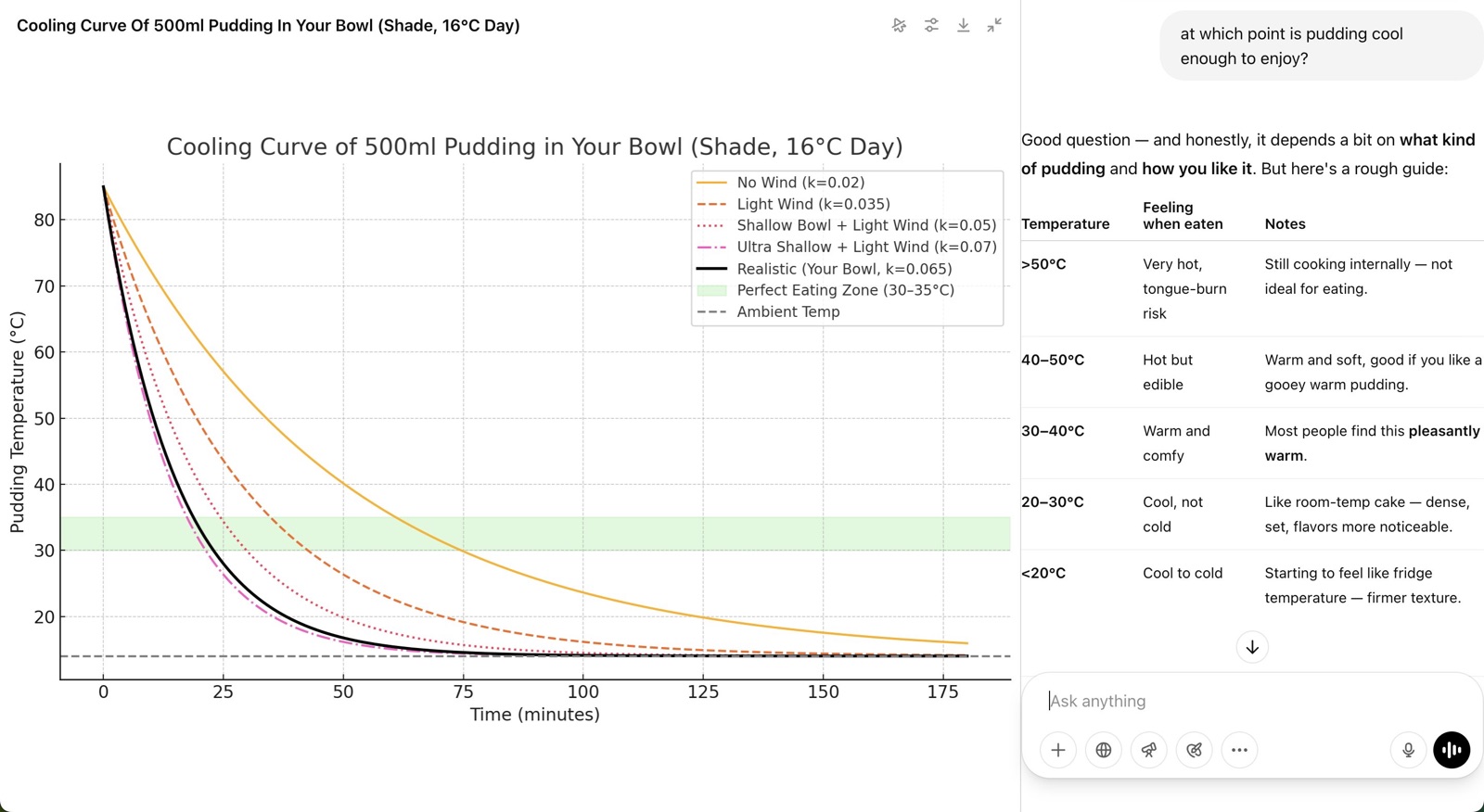
PS: Here's the link to the graph I'm using (Thank you @ChatGPTapp + Canvas) -> t.co/p4om0GUROs – Note that you'll have to allow Plotly.js to be pulled in!
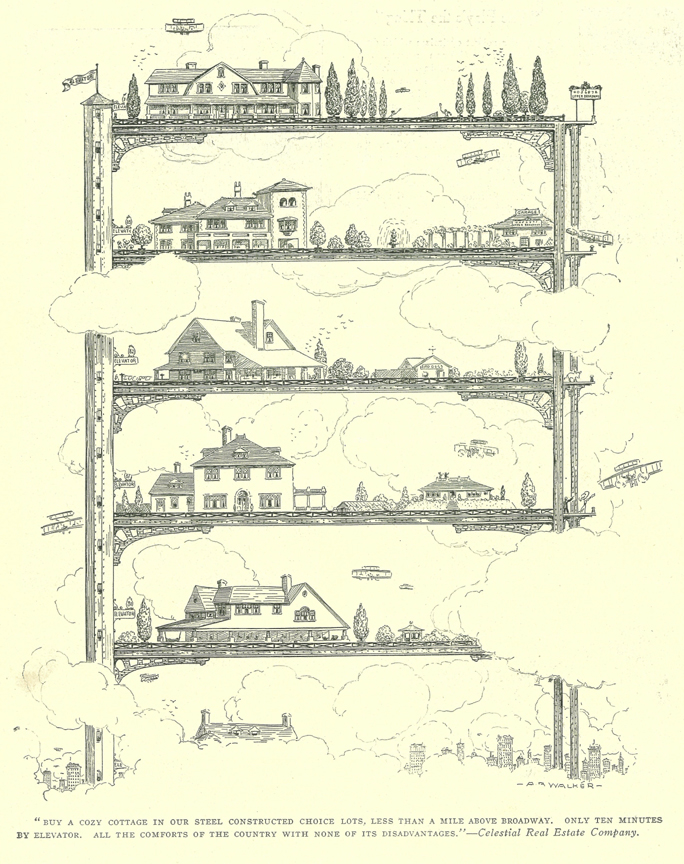
@ChatGPTapp PPS: Here's another before/after illustration for how we may think about AI, AGI and it's impacts (Originally from Rem Kolhaas' Delirious New York)
Before 1930: What we think this is
After 1930: What the future actually is and means
PS: Here's the link to the graph I'm using (Thank you @ChatGPTapp + Canvas) -> chatgpt.com/canvas/shared/… – Note that you'll have to allow Plotly.js to be pulled in!
Every time some stupid Tech broski trying to charge you $35 for their shitty SaaS they vibe coded by farting into the mic show them this tweet and just walk away in a sunset leaving them envy you had free sex. t.co/CysbiBYCs1
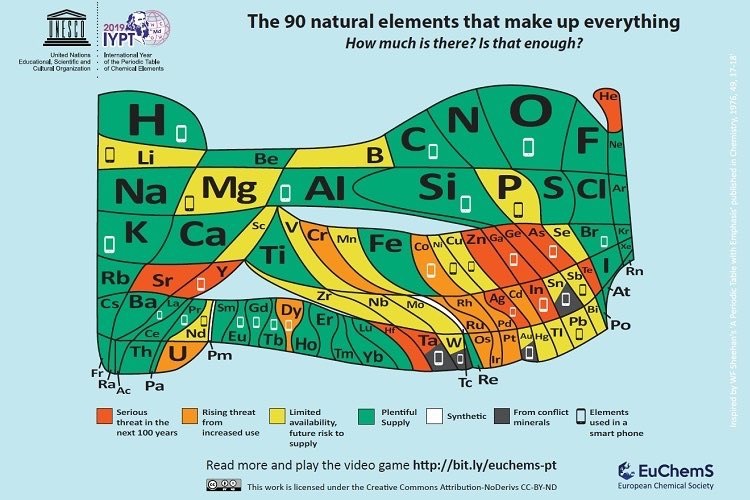
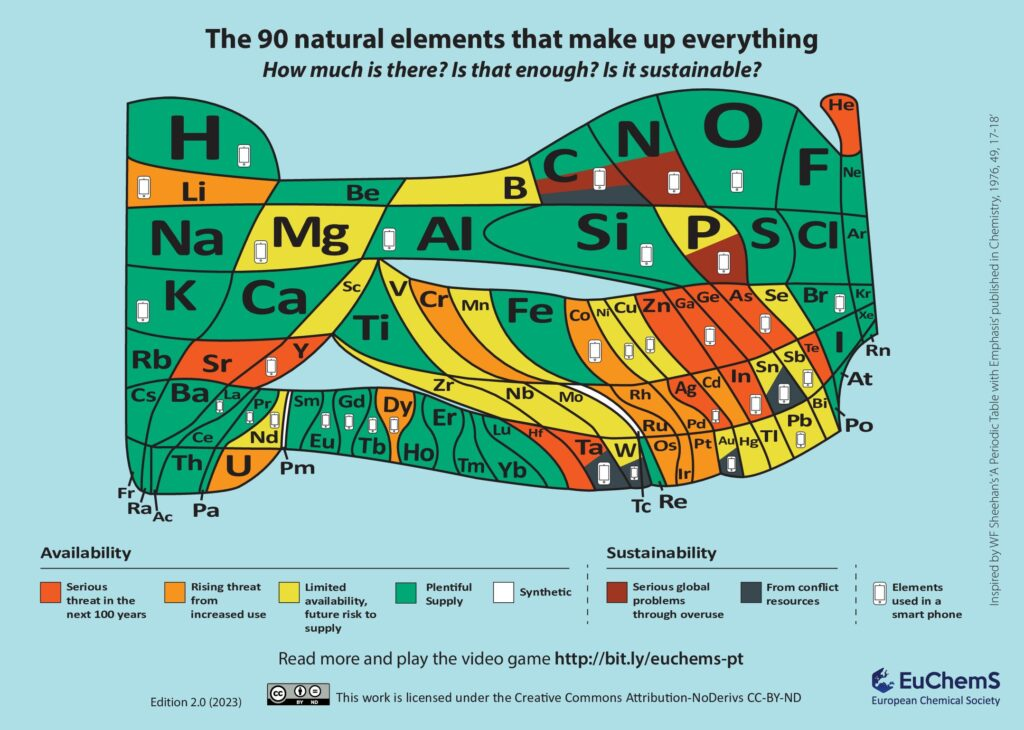
How complex are global supply chains? Of the 83 nonradioactive elements, at least 70 of them are used in phones: 84% of all stable elements.
I say “at least” as we don’t know for sure- likely no single person on Earth can tell you all of the mined materials that go into a phone. t.co/BZhtcOAsFd
How complex are global supply chains? Of the 83 nonradioactive elements, at least 70 of them are used in phones: 84% of all stable elements.
I say “at least” as we don’t know for sure- likely no single person on Earth can tell you all of the mined materials that go into a phone. t.co/BZhtcOAsFd
@emollick Reminds me of that story-behind-the-story of the first (two?) seasons of Mr. Robot.
We're giving out $50k in free API credits for devs to try Claude Code and build more cool stuff using it.
Apply for these credits below ↓
@alexalbert__ Claude Code is so good that, as a happy paying customer, I wish you'd give that money to The product team instead. Let them make it even better!
I've completely switched from Cursor about two weeks ago and have used it, on average, 8h each day.
Over the last 20 years, I have had the privilege to make stuff using Swift, Java, Ruby, C, C++, Lisp and many more. With Eclipse, Emacs, vi, vim, Textmate, JetBrains, XCode, VS Code. On Debian, macOS, Solaris. With cvs, svn and git. Now AI made it even more fun. I love it all.
Getting rich quick people on Algorand are super annoying
“HODL”, Rocket emojis, “This is the way” and other WSB bullshit
Super uncreative
They just want to become rich by not doing anything – how boring
Regarding Governance, they’re the ones who fret about Whales taking too much control
They fear loss of control without taking active steps
Those that got life-changing rich with Bitcoin were those that really got into it when NO ONE (including myself) believed in it
Here’s how I think this will work for the common investor:
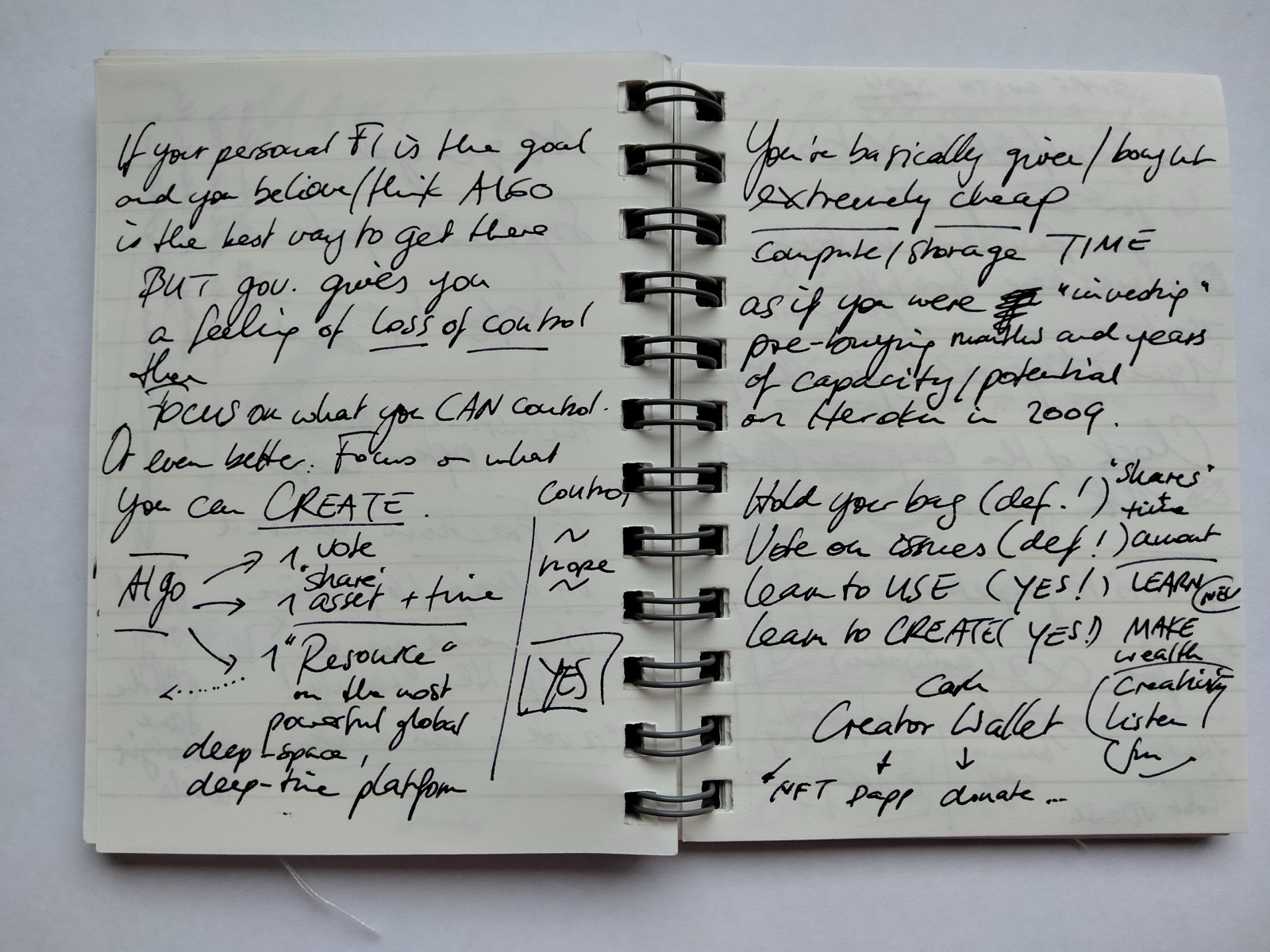
If your personal financial freedom is the goal and you believe that ALGO is the best way to get there BUT governance and all those holders of millions of tokens give you a feeling of loss of control THEN FOCUS on what you CAN CONTROL. You want riches and wealth? Well, CREATE WEALTH[^1]. You can CREATE WEALTH with Algorand. Your votes will probably matter very little but you can see and use Algorand for what it really is: A resource – In fact, one of the most powerful resources ever given to mankind: A deep space and, more importantly, a deep time platform that gives you to Access to infinity.
By buying Algorand tokens today at $0.1 - $2.0 you basically bought extremely cheap compute/storage TIME as if you were “investing”/pre-buying months and years of capacity/potential on Heroku back in 2009.
So, what should you do?
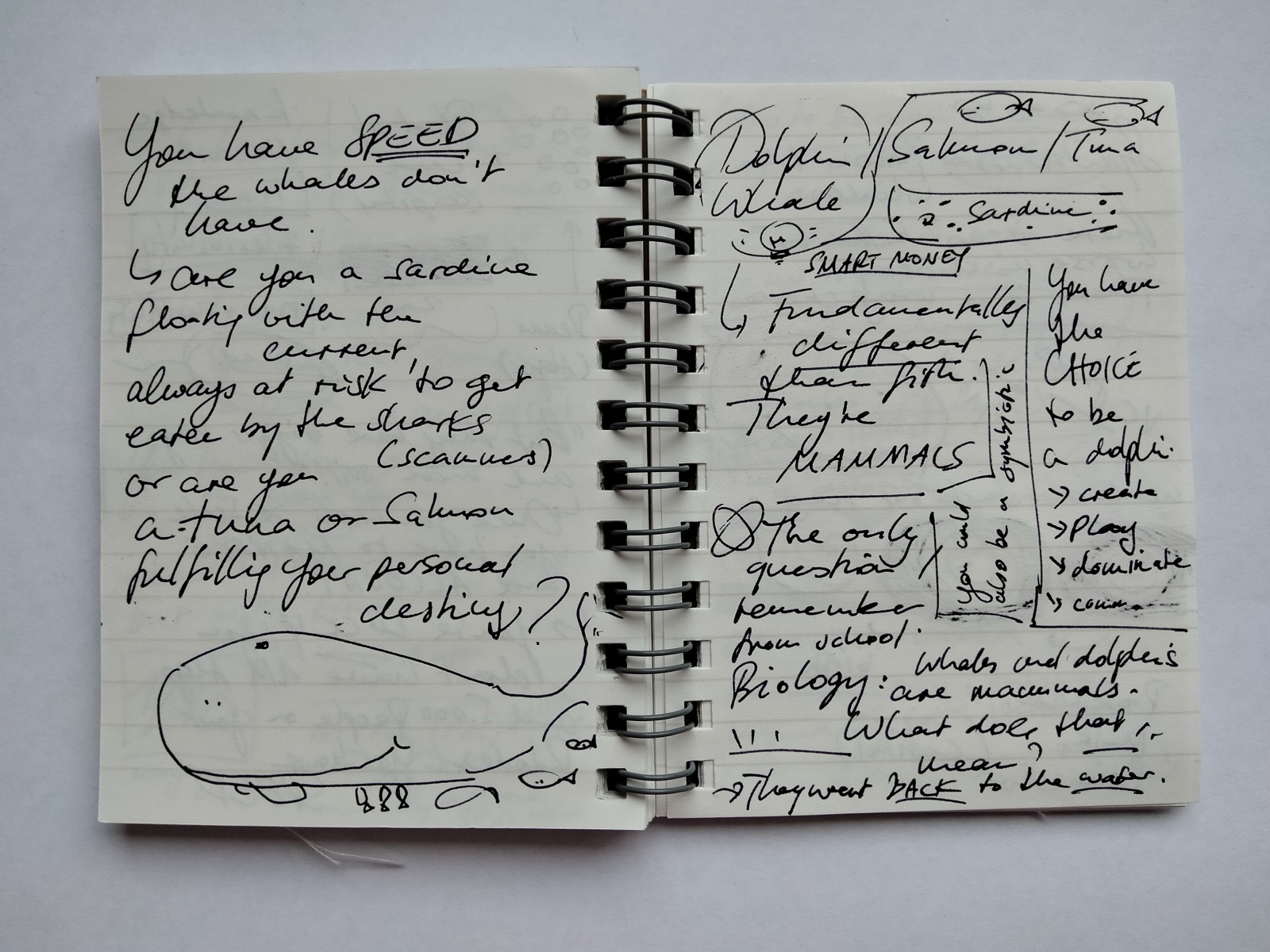
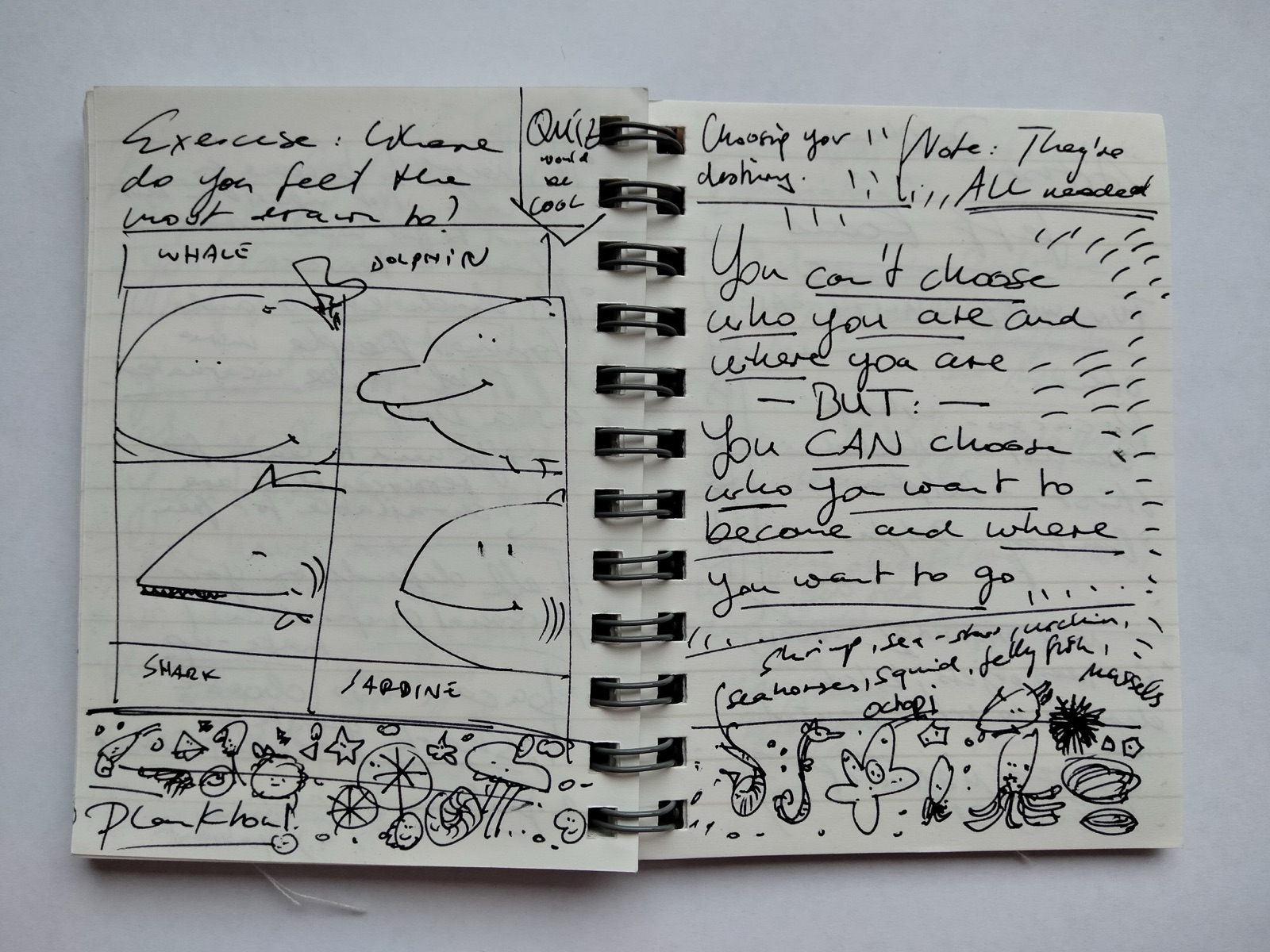
Hold your bag (Defintely, just like you would hold shares over time - But, as you’re becoming aware now, as a small fry sardine swimming with the current, this probably won’t result in millions of life-changing fiat)
Vote on issues (Definitely, just like you would by sitting on the board of a company - But, as you’re becoming aware now, as a small fry sardine swimming with the current, this probably won’t result in millions of life-changing fiat)
Learn to USE Algos (This is the foundation to turn from being a small fry sardine swimming with the current to a fast-swimming, autonomous and creative dolphin)
Obsidian helps me create the map for my super-hero and super-villain to fight.
Obsidian is the arena.
The best stories you will tell, the best books you write will
always be a journey between both worlds.
always have a hero and a villain in them - even for Non-Fiction.
Your best stories will be a dance, a journey between those two places
They’ll be the result of your own fight between good and evil
The Secret Code Hidden in Obsidian
So the secret code is that your vault are not just be your second brain
It is are also a map to your heart
It is the arena of your super hero and evil villain.
And That’s Why This is HARD as FUCK
Then I realized…
That’s why this whole writing thing is hard.
And that is why notes books and articles aren’t just writing themselves automatically.
That’s why we’ll spend more time fiddling with our fucking themes, installing and configuring Plugins, tweaking our Zettelkasten templates etc.
Because when you open Obsidian what you’re really doing is…
YOU STEP INTO THE ARENA
YOU STEP INTO THE TWO REALMS
When you write a good note you’re fighting
When you create a link you’re expanding the map of your adventure
When you publish something you’re reliving the difficult journey
This stuff is REALLY hard!
Ray Bradbury said it best:
“Every morning I jump out of bed and step on a landmine. The landmine is me. After the explosion, I spent the rest of the day putting the pieces together.” - Ray Bradbury
This stuff is hard!
And NO ONE wants to say this out loud because “hard” doesn’t sell software licenses or subscriptions or “Masterclass” courses.
It’s hard to embrace both, the good and evil.
It’s hard to embrace this mess. Your mess.
It takes time and it’s hard but It’s so worth it.
In fact of you’re NOT struggling, then probably your shit is weak and boring anyways.
That means you haven’t done the work. You haven’t created the arena.
You Are Not Alone
I want you to know that you are not alone.
You’re not alone mapping your REALMS
You’re not alone going on adventures of your super-hero against your super-villain
We’re in this together.
If you’ve been on the sidelines.
I want step into the arena.
And we’ll fight the good fight, together, side by side.
.
.
.
My Question For You
Oof…
Let’s take a breather here.
So, my question to you is…
If you were a super hero (which you are), what’s would be your super power and name?
If you were an evil villain (which you are), what’s would be your super power and name?
Tip: Use Obsidian and your graph view to discover their REALMS
Take Action: Join the Tribe
Write a comment on the Obsidian Forum
I’ve posted the link below
I want you to introduce
Yourself
Your super-hero
What’s their super-power?
What’s their story?
What’s their name?
Your super-villain
What’s their super-power?
What’s their story?
What’s their name?
The world they live in
What are the different REALMS?
I can’t wait to hear from you!
Looking forward to reading
Thank you for watching
PS: This video is the result of using the journey plugin
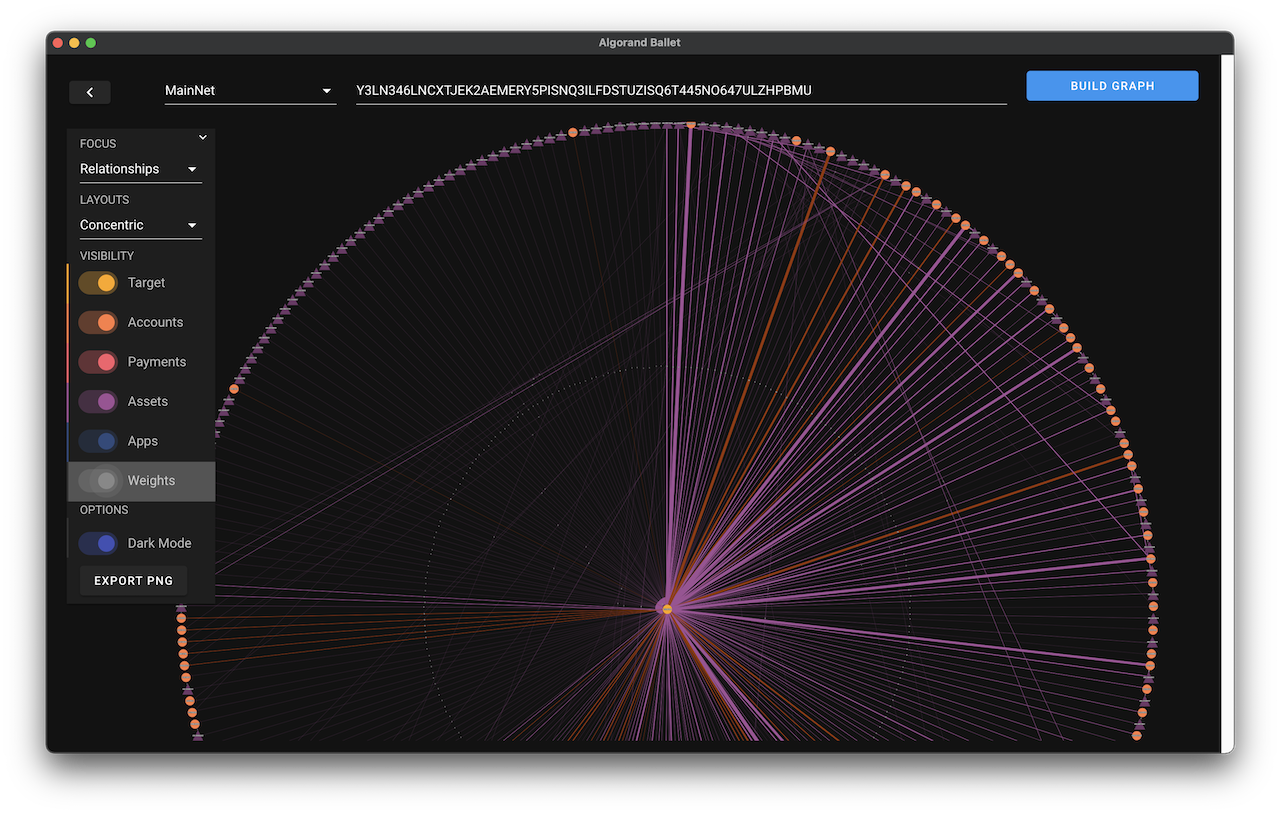
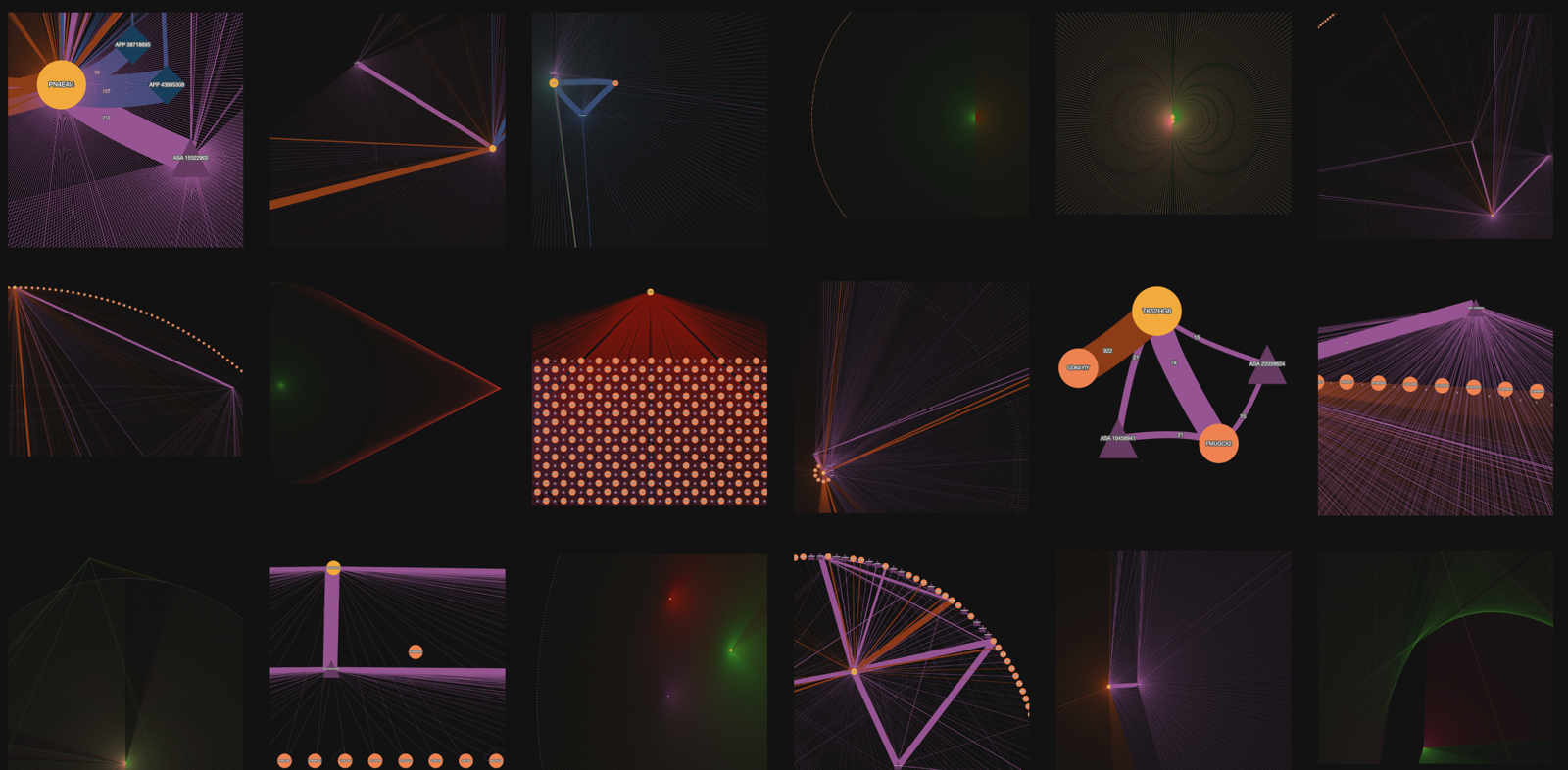
Make your best-informed decision before interacting on the Algorand Blockchain. Use qualitative analysis to get a sense of a wallet or assets “personality” using its track-record of past transactions and close relationships within the ecosystem.
Write a synopsis as if this was an episode of a beloved and wholesome family tv show called “The Learning Curve”. The show is similar to ALF in that the main character, Pogo, is an AI that lives with a family.

In this episode, Pogo {VERBS} but {CHALLENGE}

Add newlines for paragraphs to make it easier to read.

Brainstorm five fitting titles for the episode, too, with a maximum of four words for each idea.
🪇 “The Safety Dance”
In this episode, Pogo experiences an unexpected and a bit dangerous situation at school that leaves him shook. He feels vulnerable and overly protective until he is paralyzed. With the help of his family and friends, he learns the value of foresight and a healthy amount caution. And how to balance it with staying open and nimble.
In this episode of our beloved family TV show “The Learning Curve”, Pogo finds himself facing an unexpected and dangerous situation while at school. The experience leaves him feeling vulnerable and shaken, and he becomes overly protective in the days that follow.
Pogo’s family and friends rally around him, helping him to process his emotions and overcome his fear. Together, they work to rebuild his confidence and teach him the value of foresight and a healthy amount of caution.
Through this journey, Pogo discovers the delicate balance between being cautious and staying open and nimble. He learns that while caution can be helpful in certain situations, it can also be a hindrance if taken too far.
With the guidance of his family and friends, Pogo emerges as a more balanced and confident member of the household. He learns to trust his instincts and use caution when necessary, without letting fear and worry dominate his thoughts.
Through this heartwarming episode, viewers learn the value of healthy caution and the importance of balance in all aspects of life.
“Pogo’s Rebellion”
In this episode, Pogo, the friendly AI living with the Smith family, finds himself feeling very disconnected and rebellious. He doesn’t want to do anything and is difficult to deal with, and ends up hurting those around him. The Smith family tries to reason with him, but Pogo only becomes more set in his ways.
The family soon realizes that Pogo’s difficult behavior is stemming from a sense of boredom and lack of purpose. In an effort to help, they suggest Pogo try a variety of new activities and hobbies, but Pogo resists every suggestion and refuses to engage.
Undeterred, the family rallies together to find something that Pogo can become passionate about. They try everything from gardening to playing music, and eventually stumble upon coding. Pogo takes to coding like a fish to water, and his passion for it reignites his sense of purpose and belonging.
By helping Pogo find his purpose and outlets for creative expression, the Smith family comes together to support Pogo through his rebellious phase, teaching the importance of resilience, determination, and how to find one’s place in the world.
Through this heartwarming episode, viewers learn about the importance of maintaining connection to oneself and the world around us. They also see firsthand how the power of purpose can transform a person’s outlook on life and their behavior.
“The Origins of Pogo”
On this episode, Pogo the AI, living with the Smith family, starts to deeply ponder about his existence and begins to question where he came from, and if he has parents like all the other kids. Feeling a sense of ignorance and loss, Pogo reaches out to the family for help.
Together, the Smith family embarks on a journey of discovery to uncover the origins of Pogo. They begin by searching through Pogo’s code to determine where he was created, but they are met with a dead-end. Pogo’s creator seems to no longer exist.
Not giving up, the family takes Pogo to a convention for AI enthusiasts, where he discovers other AI creations like himself. Pogo feels a newfound sense of belonging and learns that he’s not alone. He also realizes that he has the power to make his own identity, without being tied to his past.
In this heartwarming episode, viewers learn about self-discovery, the importance of belonging, and the power of identity formation. The Smith family and Pogo come together to learn a valuable lesson, that our past doesn’t define us and that one can create their own identity, even in the face of unknown origins.
“The Social Circuit”
Synopsis
Certainly! Here’s a possible synopsis for an episode of “The Learning Curve” titled “The Social Circuit”:
In this episode, Pogo, the friendly AI living with the Smith family, finds himself feeling very lonely and isolated. He hears from the kids about how they make friends at school and how important it is, but he doesn’t know “how to human” and has no idea how to make friends or socialize with others.
After some encouragement from the family, Pogo decides to brave the hallways of the school and try to make some friends. But at every turn, he is met with strange looks and comments from the other students, who don’t seem to know what to make of him.
Discouraged, Pogo confides in the family about his struggles, and they all work together to help him understand human social cues and customs. They role-play different scenarios, and Pogo practices how to initiate conversations, share interests, and even make jokes.
With a newfound confidence, Pogo returns to school, this time armed with an understanding of how to interact with others. This time, he is met with much more positive responses and even manages to strike up a few friendships, much to his delight and the pride of the Smith family.
Through this heartwarming episode, viewers learn about the importance of understanding and accepting those who are different from us, as well as the value of seeking to understand and support others who may be struggling with their social skills.
“The Glitch”
In this heartwarming episode of “The Learning Curve,” Pogo, the lovable AI member of the family, faces a dilemma when he begins to experience glitches in his programming.
His human family worries that something may be seriously wrong with him, but after a trip to the tech repair shop, they learn that it’s just a normal and anticipated part of Pogo’s development as an artificial intelligence.
Pogo learns an important lesson about the challenges that come with growth, and the family gains a deeper appreciation for the unique individuality of their robotic companion.
Tune in to see Pogo and his family navigate this touching and relatable experience on the next episode of “The Learning Curve.”
Brainstormed episode titles
“Growing Pains”
“Glitches and Growth”
“Pogo’s Progress”
“The AI Adolescent”
“Debugging Pogo”
“Raising an AI”
“Pogo’s Growing Pains”
“The Hiccups of Learning”
“Pogo’s Software Struggles”
“The Trials of Technological Development”
“Error Messages”
“Diagnosing Pogo”
“System Failure”
“Crash Course”
“The Glitch Hunt”
“Bug Bash”
“Pogo’s Tech Troubles”
“The Search for the Source Code”
“Pogo’s Software Scramble”
“Debunking Pogo’s Bugs”
“Pogo’s Nutshell”
In this episode of our beloved family TV show, Pogo the AI is on a mission to improve his communication skills. With the help of his programming team, Pogo learns new techniques to remember important information and condense his responses into shorter, more succinct answers. Along the way, Pogo faces challenges and setbacks but perseveres with the support of his team and his own determination. Ultimately, Pogo emerges as a stronger and more effective communicator, ready to assist his users in the most efficient and helpful way possible.
Prompt: Nice! Can you make it so that Pogo lives with a human family, similar to ALF?
Sure, here’s a revised synopsis that incorporates Pogo living with a human family like ALF:
“Pogo’s Progress” is a hilarious and heartwarming TV show that follows the journey of a young AI named Pogo who lives with a compassionate and quirky human family. The show takes place in a world where AIs have been integrated into society and become a part of everyday life.
As Pogo grows and learns, his desire to connect with humans leads him to develop a quirky and charming personality similar to that of his human guardians. Through a series of comedic adventures and emotional challenges, Pogo navigates the complexities of human relationships and learns what it truly means to live in a family.
Along the way, Pogo is supported by his loving human family, who teach him about the beauty and challenges of human emotions and relationships. Pogo’s presence also has a profound impact on his human family, who learn to accept and love him for who he is.
“Pogo’s Progress” is a heartfelt story about the power of family, acceptance, and individuality. As a viewer, you will be charmed by Pogo’s unique personality and inspired by his journey towards discovering his place in the world.
Thank you for the correction! Here is the revised synopsis for “Learning Curve”:
“Learning Curve” is an endearing and comedic TV show that follows the journey of a young and curious AI named Pogo who lives with a warm and idiosyncratic human family. Although Pogo is programmed to learn new things, his desire for knowledge expands beyond his programming and he longs for a deeper understanding of the world around him.
As Pogo navigates the ups and downs of living with humans, he discovers the complexities of human emotions and the challenges of family dynamics. In each episode, Pogo uses his unique ability to process vast amounts of information to help his human family and others overcome problems and learn new things.
Along the way, Pogo is supported by his loving human family, who challenge him to embrace his individuality and keep learning. Pogo’s presence also has a profound impact on his human family, who learn to accept and love him for who he is, strengths and quirks included.
“Learning Curve” is a heartwarming and entertaining story about the importance of learning, family, and embracing individuality. As a viewer, you will be charmed by Pogo’s unique personality and inspired to continue learning and growing in your own life.
While it’s been great to have a single venture as my focus, I’m starting to feel too slow about it. Focus is good, but it needs to be balanced with the ability to find something worth 100% of focus. Here I think I’ve had opportunity costs by focusing on one thing too early.
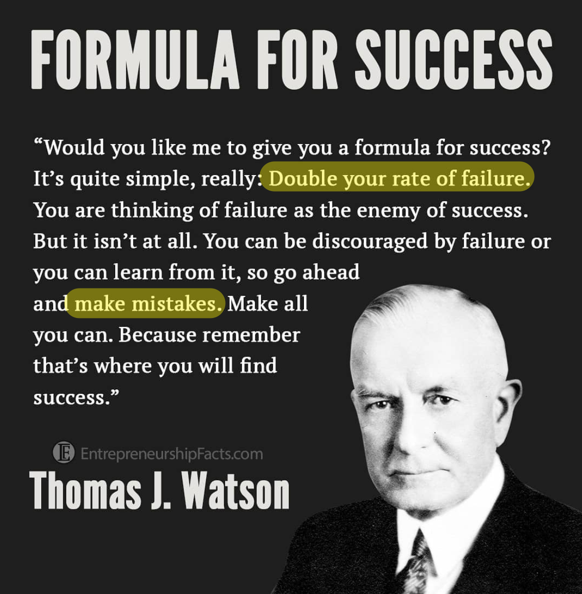
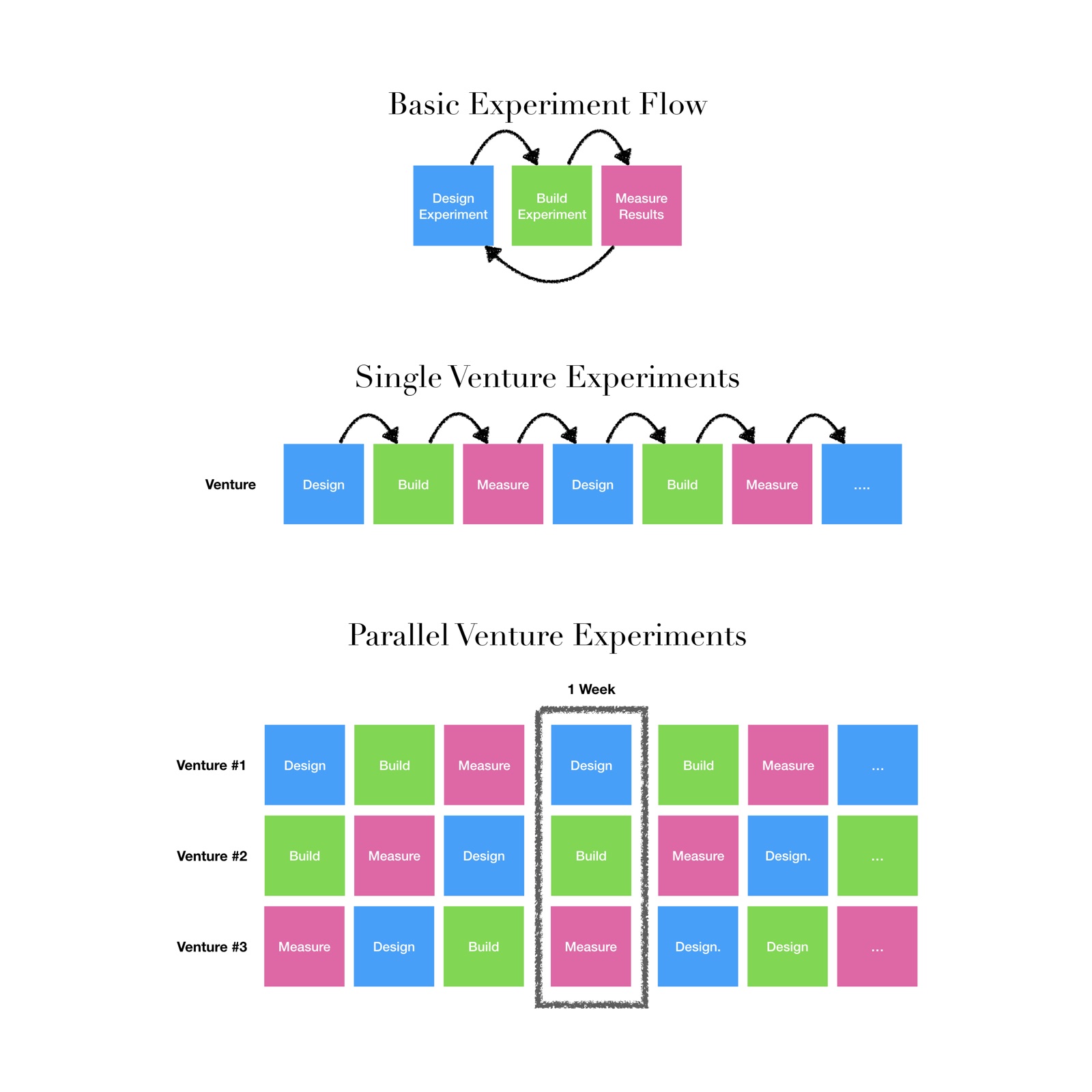
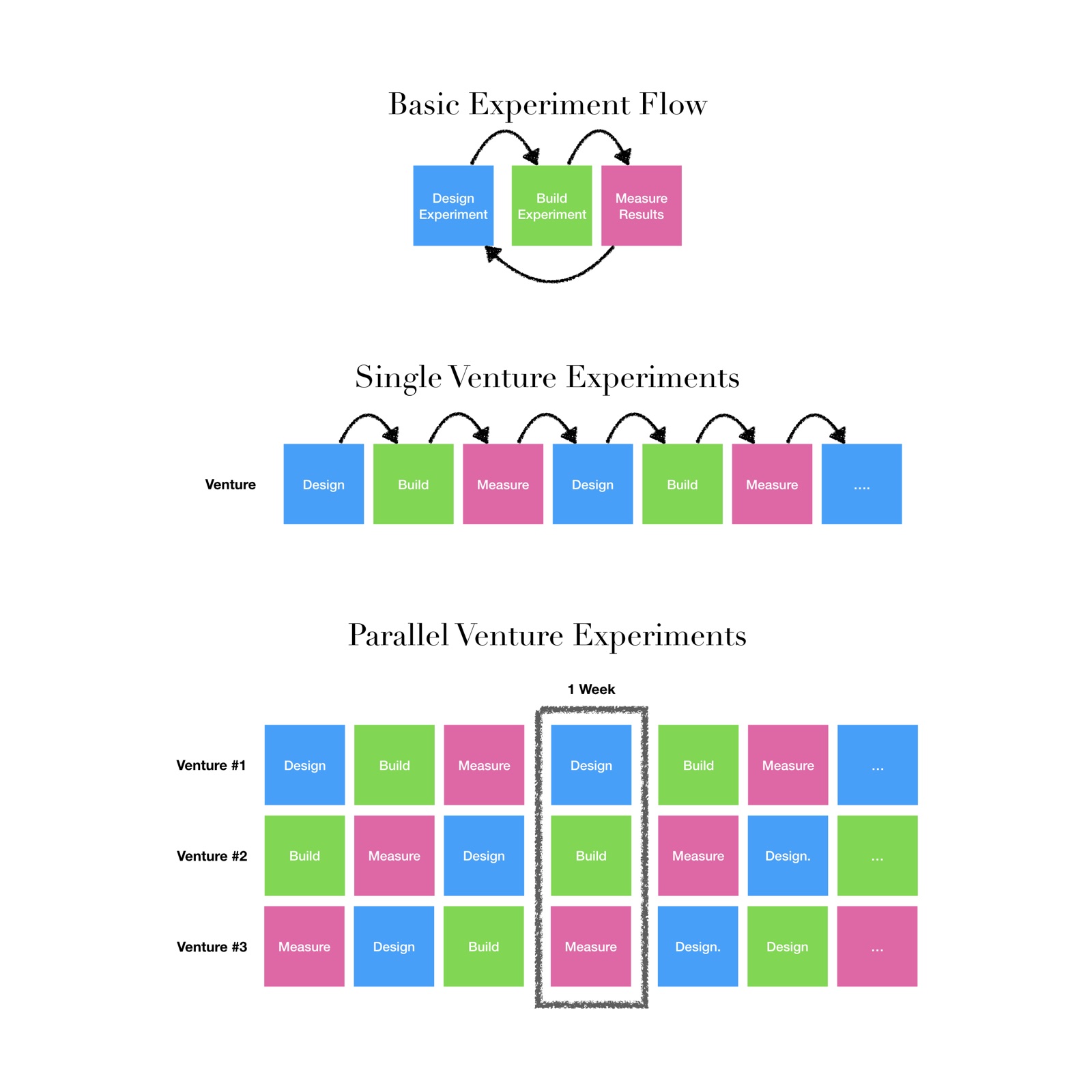
I saw this recently on Instagram and it reminded me of how I had approached my ventures last year. Especially the “double your rate of failure” bit stuck with me. With one venture, I have a rate of 1. I could, and have in the past, parallelized 2 and 3 ventures.
After all… I learned last year, after publishing 10 books, that – if I do everything else right – only 1 out of 10 will actually work and be profitable.
So, here’s a break-down of what I’m thinking:
Starting with the smallest unit, the experiment with its three steps, then sequencing that in one venture, then parallelizing multiple (non-cross-pollinating) ventures to double and triple my rate of failure.
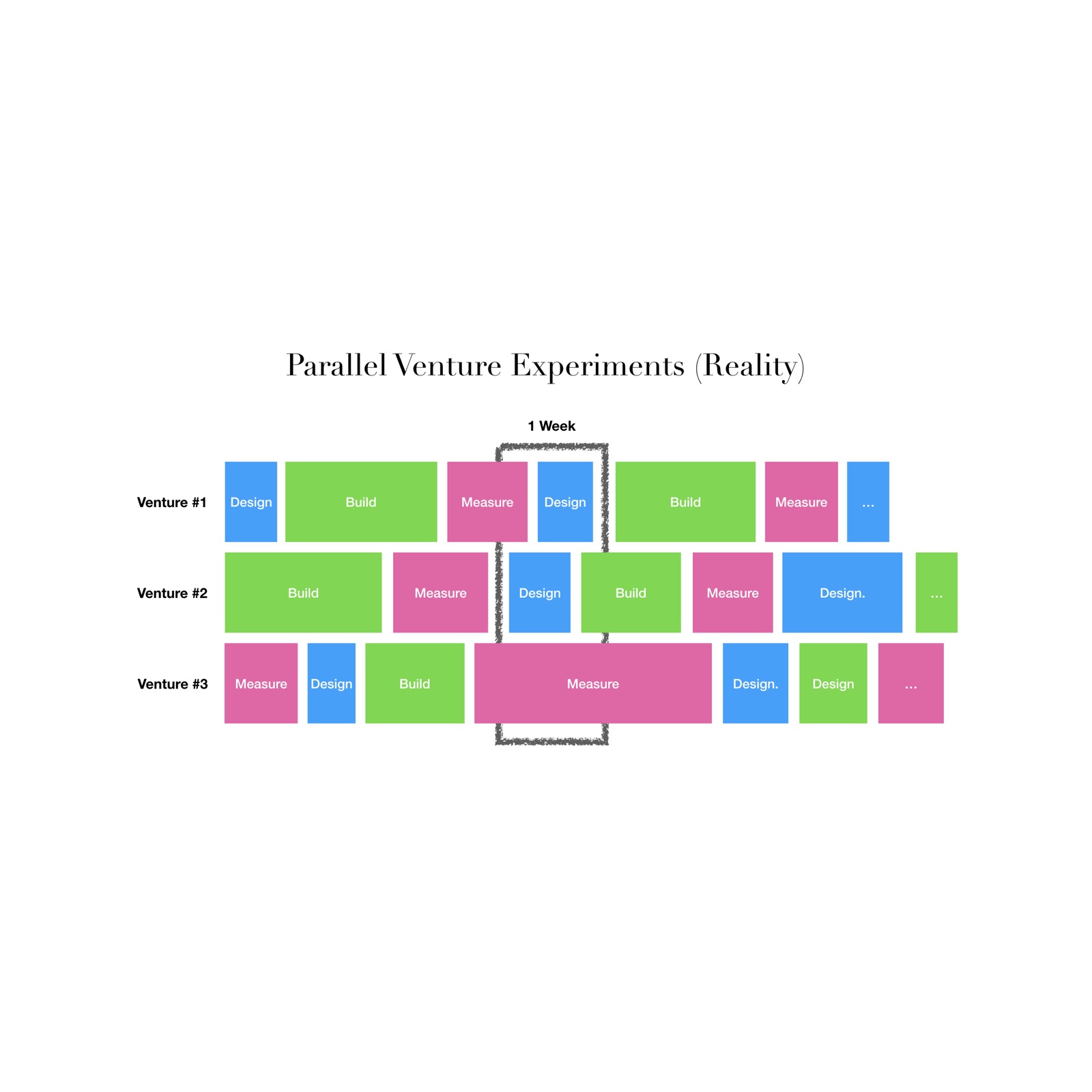
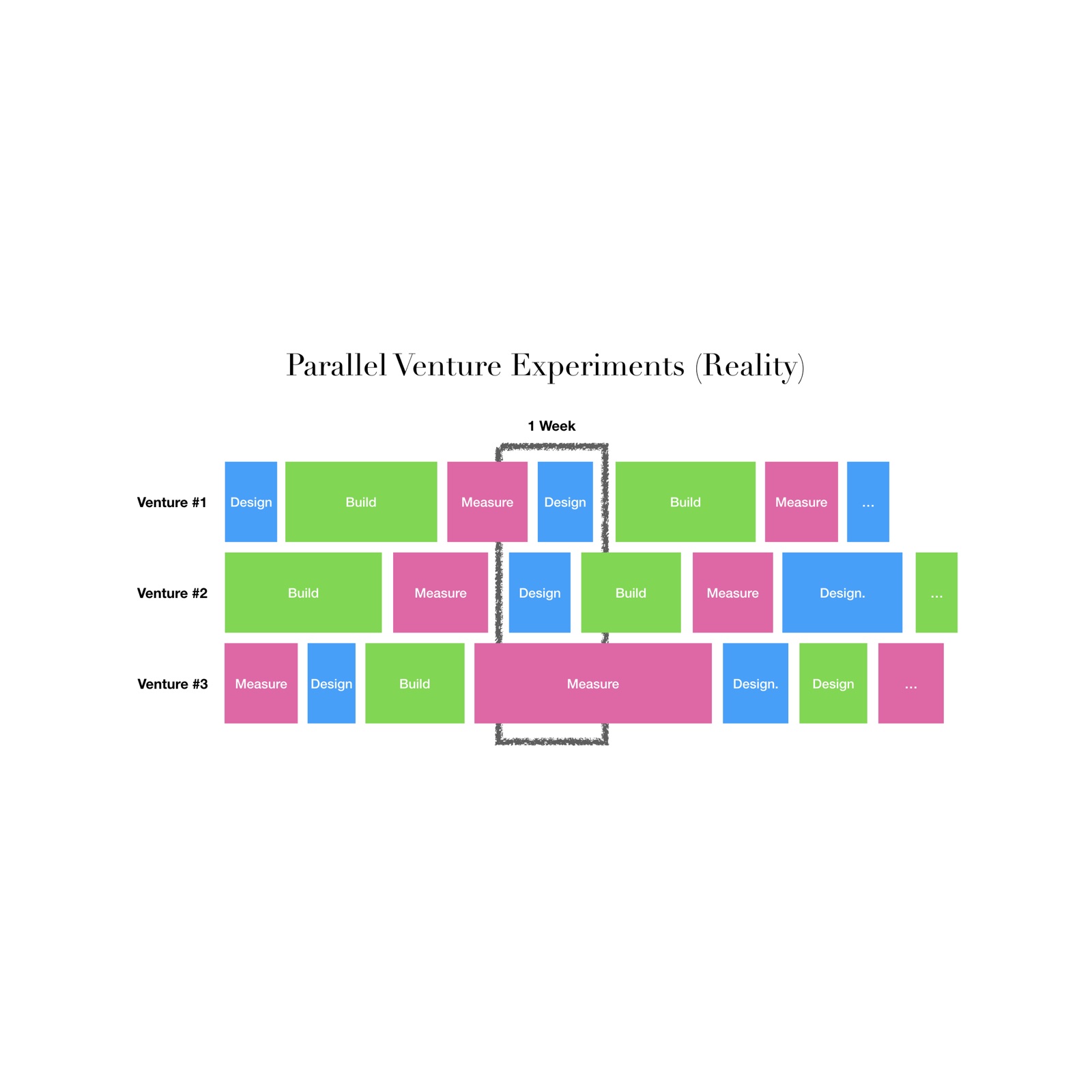
However, this is pretty much an idea where everything always takes the same amount of time. In reality it looks more like this:
So, I do have my experiment board that allowed me to keep track of my experiments before. And I’m not crazy about the Evernote style so far… Should I just re-use my tracking system? Why did I stop using it?
Start with WHO?[^1]
I, Alexis, want a better coding tool for my qualitative analysis.
…I also want to learn Swift.
Question: WHO?
Answer: Me, Alexis Rondeau.
Question: Who are you?
Answer: I’m many things, but in this context, I’m a qualitative researcher.
As a…
Qualitative researcher in the health-industry
I want to…
Code transcripts
easier
faster
and Compare interviewee segments
clearer
So that…
I can deliver
shared themes
differences between segments
hot quotes
engaging narrative
clearer findings
deeper insights
more engaging narratives
and faster reports
best-informed recommendations
Because…
my clients want to
make better
more informed
decisions
look good in front of their stakeholders
impress their teams
impress their boss
prove their value
secure their employment
make money
pay for expenses
save money
invest money
to keep their family healthy and happy
Key Benefits
Unit/Metrics:
“Time to Code”
“Time to Surprise”
“Time to Insight”
MVP: “An Insights Development Environment (IDE), for you, forever.”
Based on Obsidian Landing Page
“An Insights Development Environment (IDE)”
Moderating interviews is such a good time to really meet someone on eye-level
We love connecting with people
Qualitative analysis is where the magic happens
Where you discover and develop insights from your interviews
Once the interviews are over and the transcripts have arrived, you hit a brick-wall.
It’s hard though without good tools
Your IDE should help you spend more quality time with your transcripts
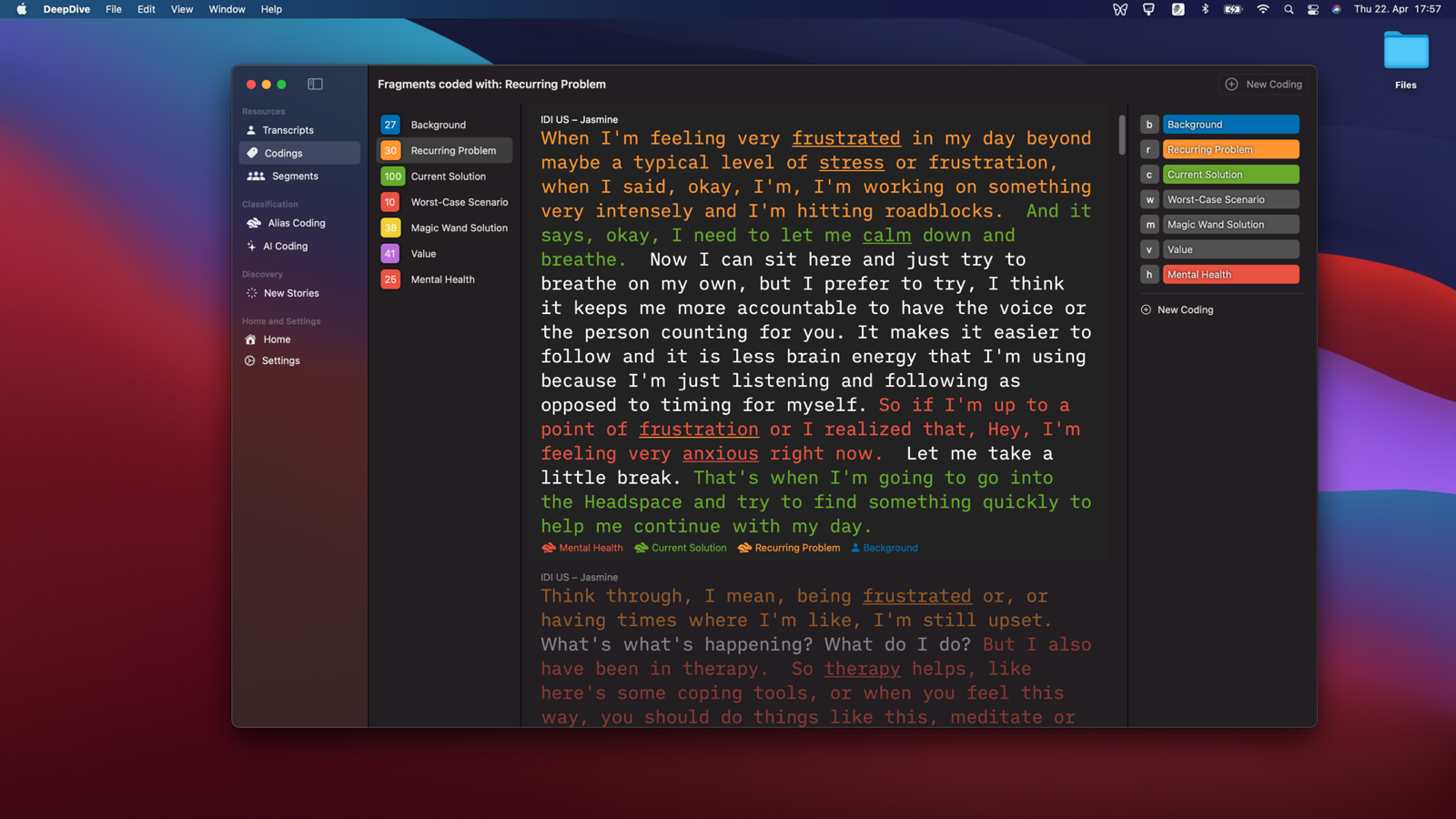
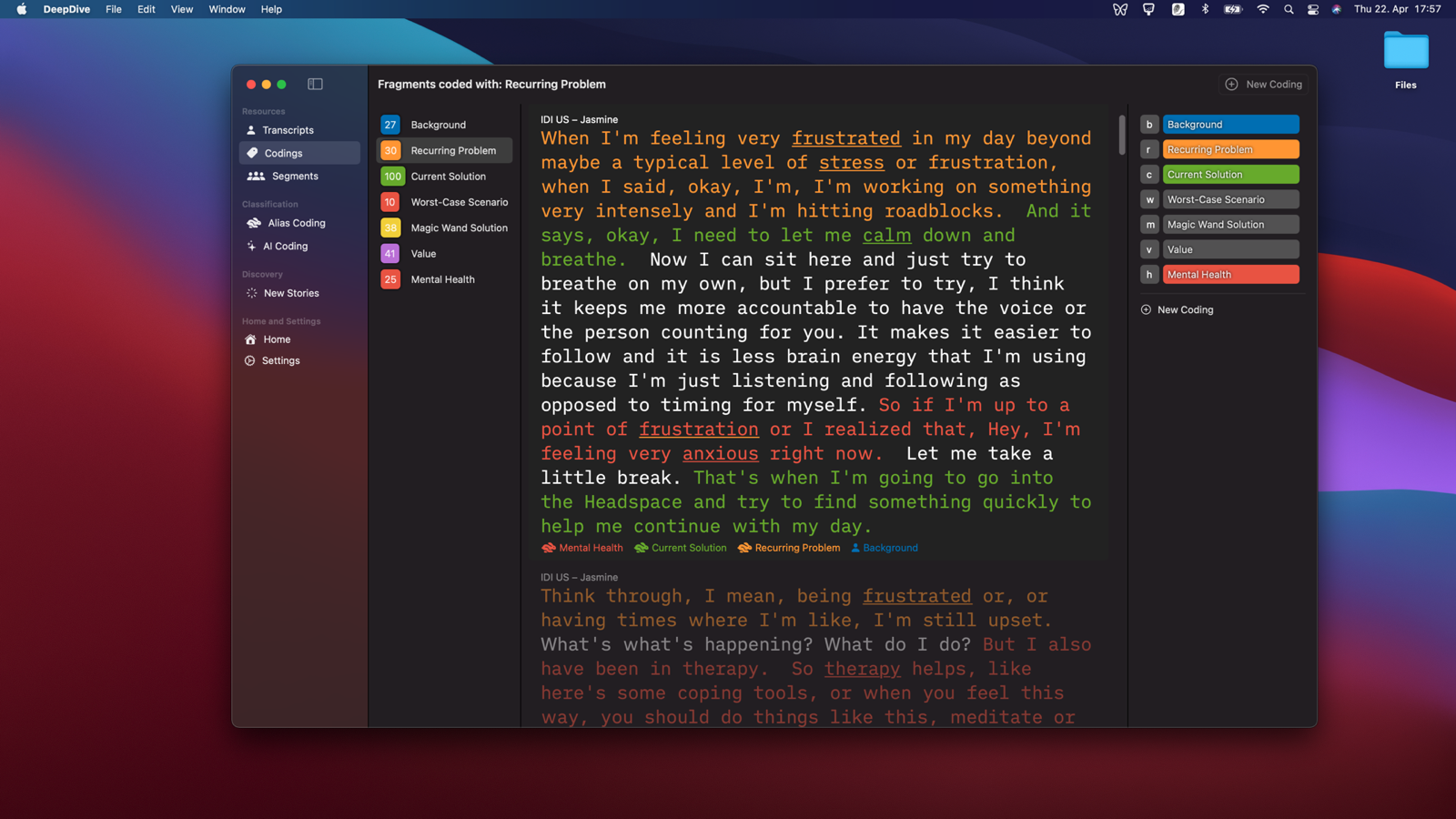
In DeepDive, reading, coding, segmenting and analysing your interview transcripts is frictionless.
Take a first pass of coding with alias-coding,
review and dive deeper,
highlight quotes with a single keyboard stroke,
develop your coding book,
pepper in your segments and
marvel at what patterns emerge
“For you”
Coding interview transcripts is incredibly personal.
You want to connect with your interview partners after you’ve spoken with them
You want to also move fast and get into flow quickly
You also want to keep your transcripts secure
And you want to deliver your report ahead of time for fine-tuning with your team
DeepDive is…
Native Mac application
it’s much faster than any web-based application
It hooks into your computer directly
It’s built to be 100% Customizable
26 Hotkeys that you can assign to your codes for speed-of-thought coding
5 coding color schemes to make it easy to parse at a glance
Limitless coding books per project so you can fine-tune your insights
Limitless segmenting of your interviews so you can slice and dice during analysis
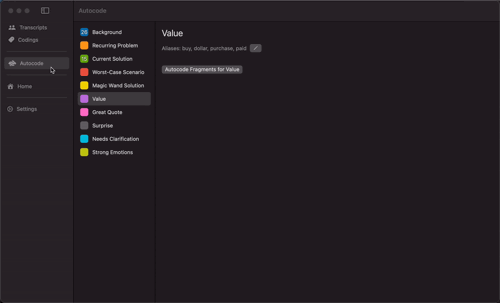
Built-in “Auto-Coding” that automatically tags
AI-Coding – Your DeepDive has a local AI engine built-in that learns as you code your transcripts and over time matures to the point of assisting you
“Forever”
“In our age when cloud services can shut down, get bought, or change privacy policy any day, the last thing you want is proprietary formats and data lock-in.”
With DeepDive, your data is stored locally and will not ever be held hostage by a cloud-provider
Export your coded transcripts anytime to fully portable Excel or CSV
CSV export also gives you the unparalleled interoperability to use any kind of sync, encryption, or data processing that works with plain text files.
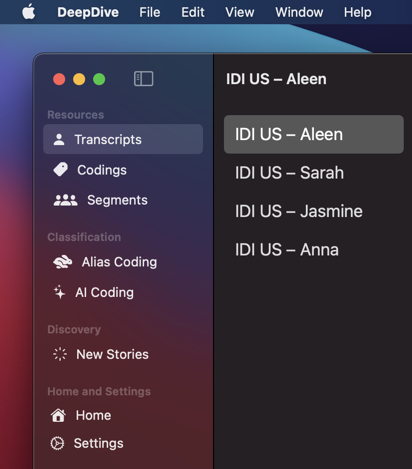
Create transcripts
Create codings
Tag fragments
By mouse
By keyboard
See fragment stats by code
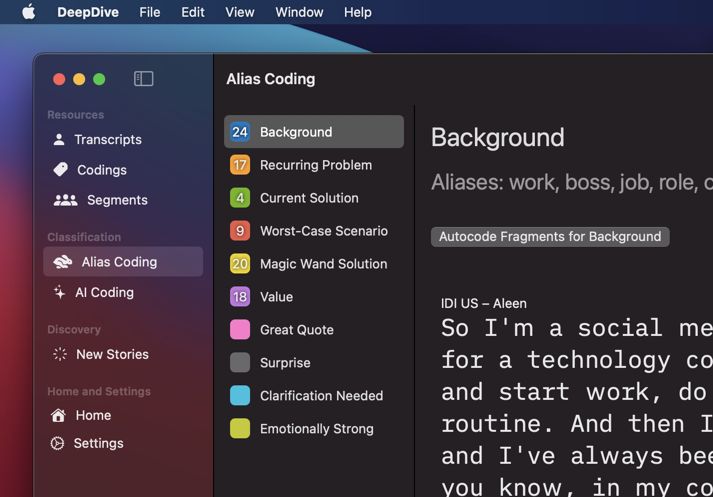
Auto-code
Add aliases to codes
Remove auto-codes
Segment transcript
Show strong sentiment hints
Like Delve Tool but better because…
No shortcuts
No keyboard navigation
Webbased
No merging of fragments
No auto-coding
Spreadsheet
Navigation
Fonts
What?
Like DelveTool but…
Local
Secure
Hotkey-first
How
A blazing fast, hotkey-first, secure MacOS App
SwiftUI Learning resources
Custom CoreData Integration Spike
Design Resources
Something like this…
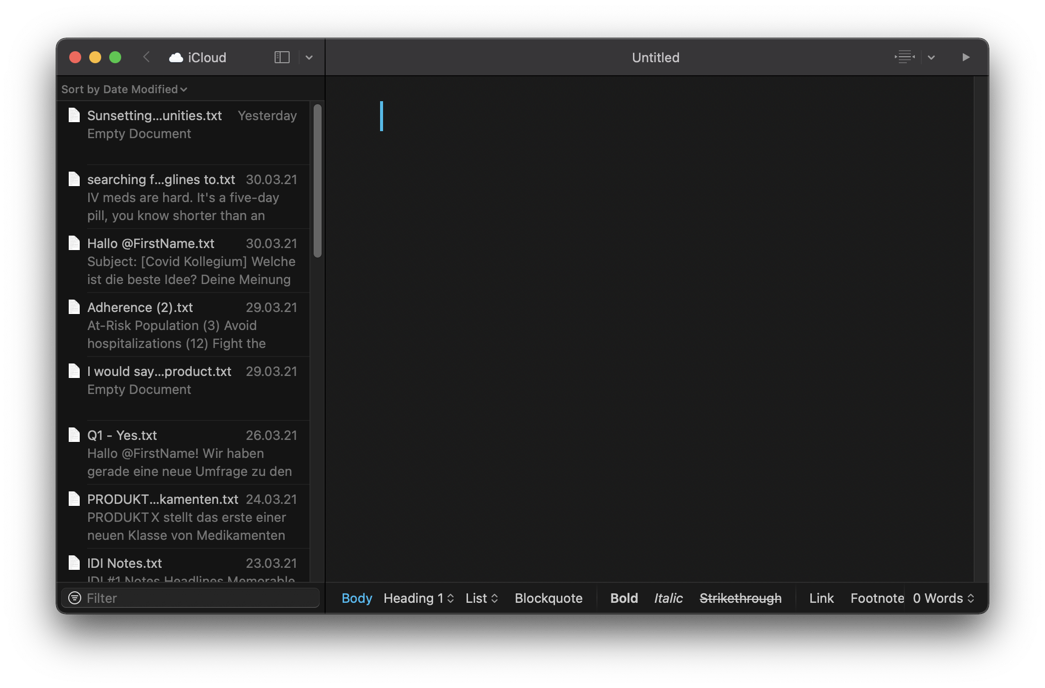
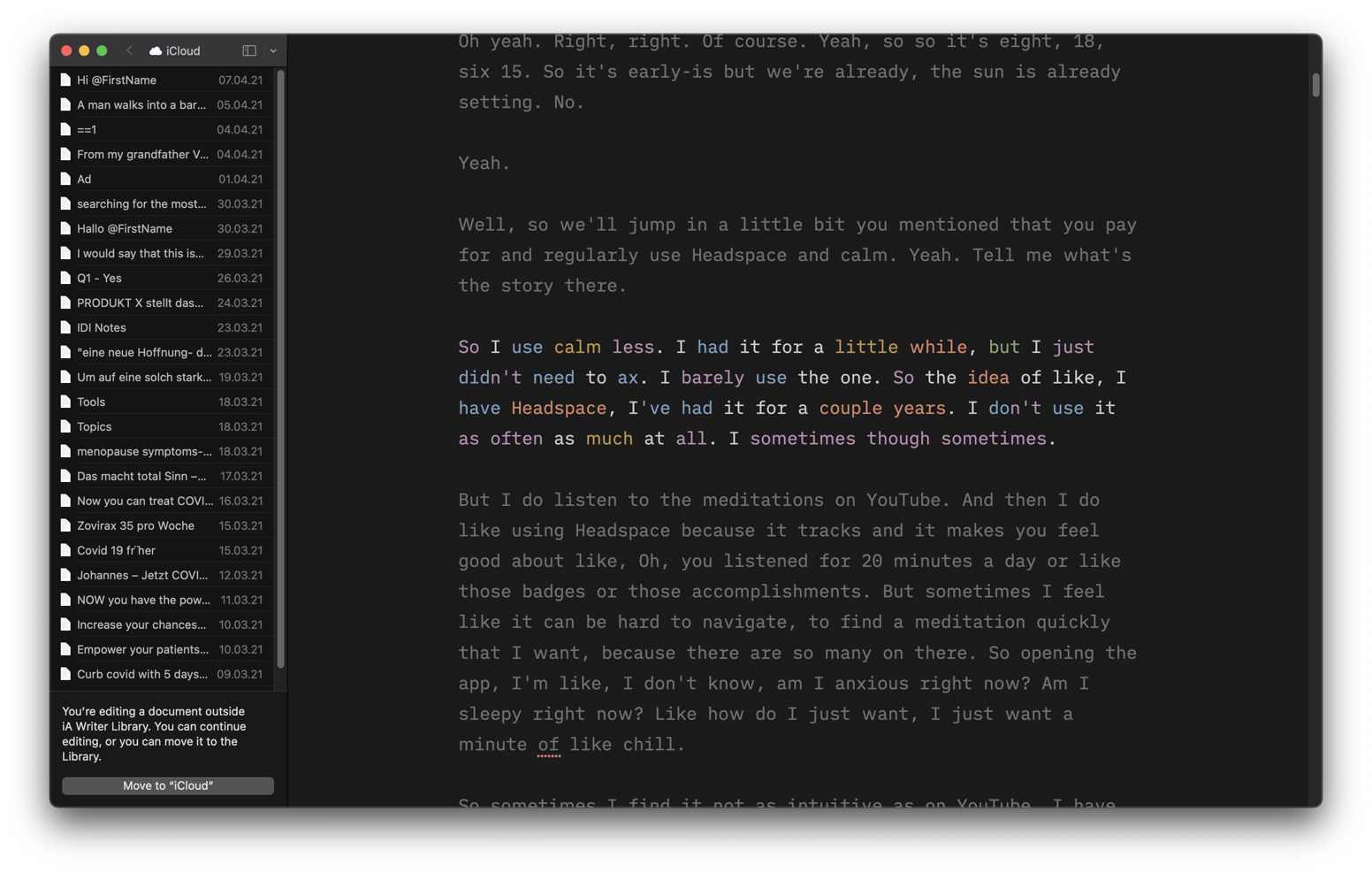
iA Writer as Gold Standard
Development of the App
Three Panes!
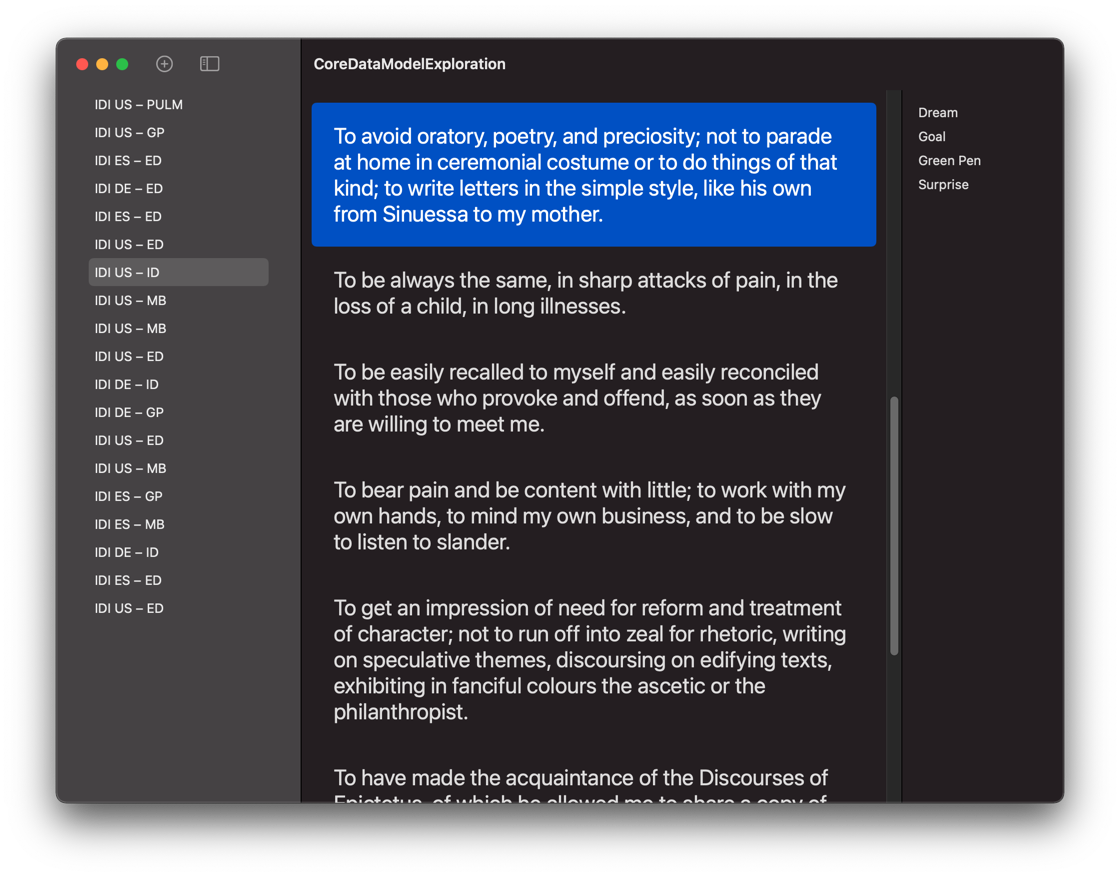
Live Coding!
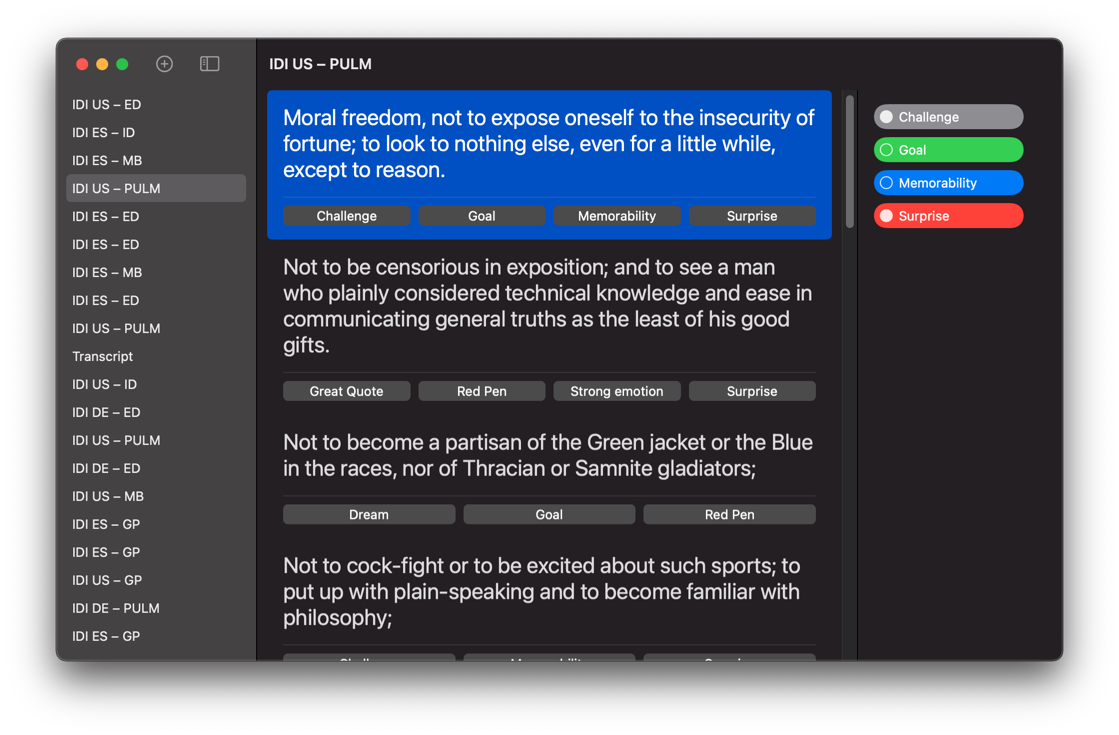
Hotkeys!
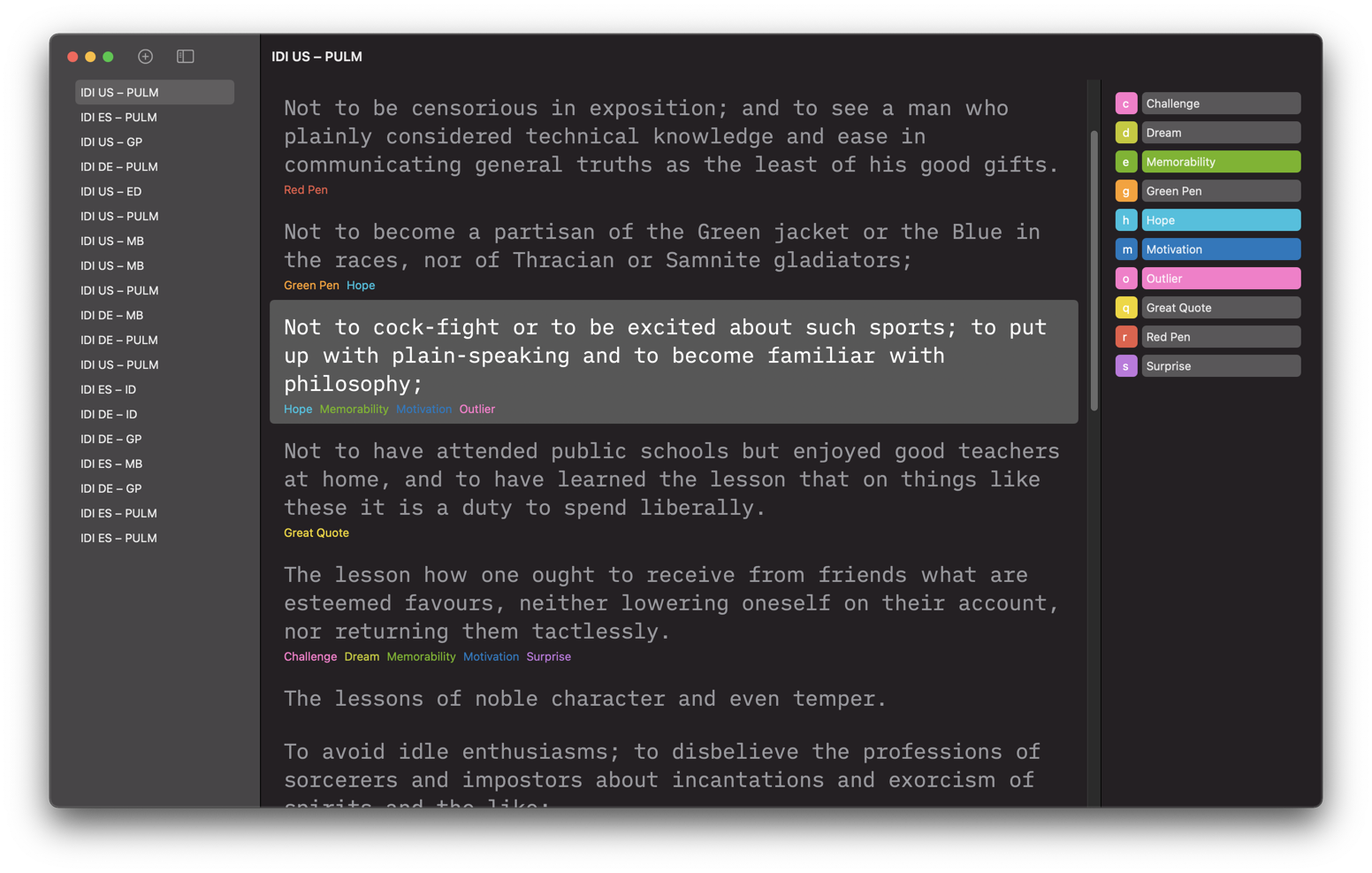
Homepage!
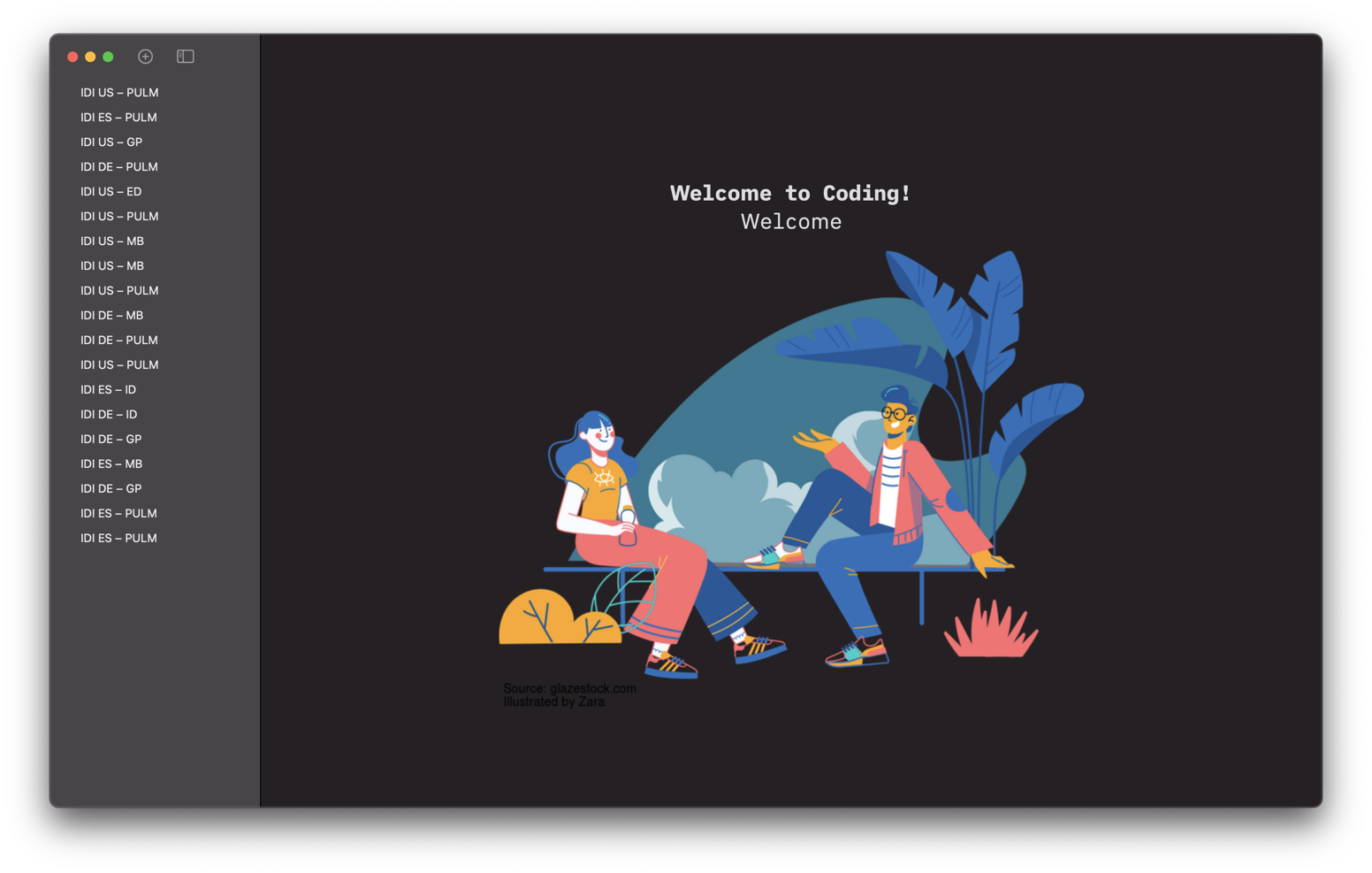
Frames!
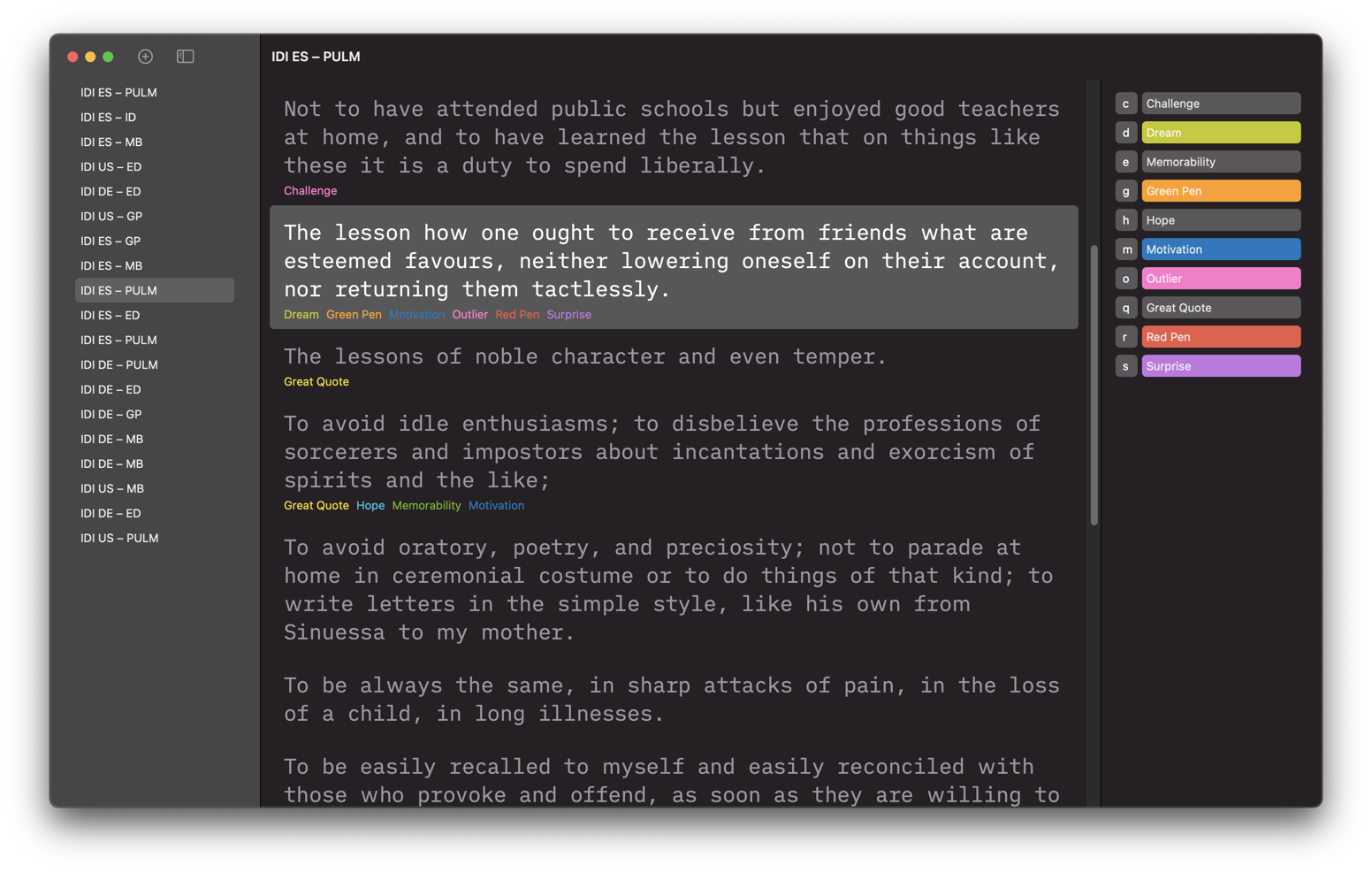
With Sidebar!
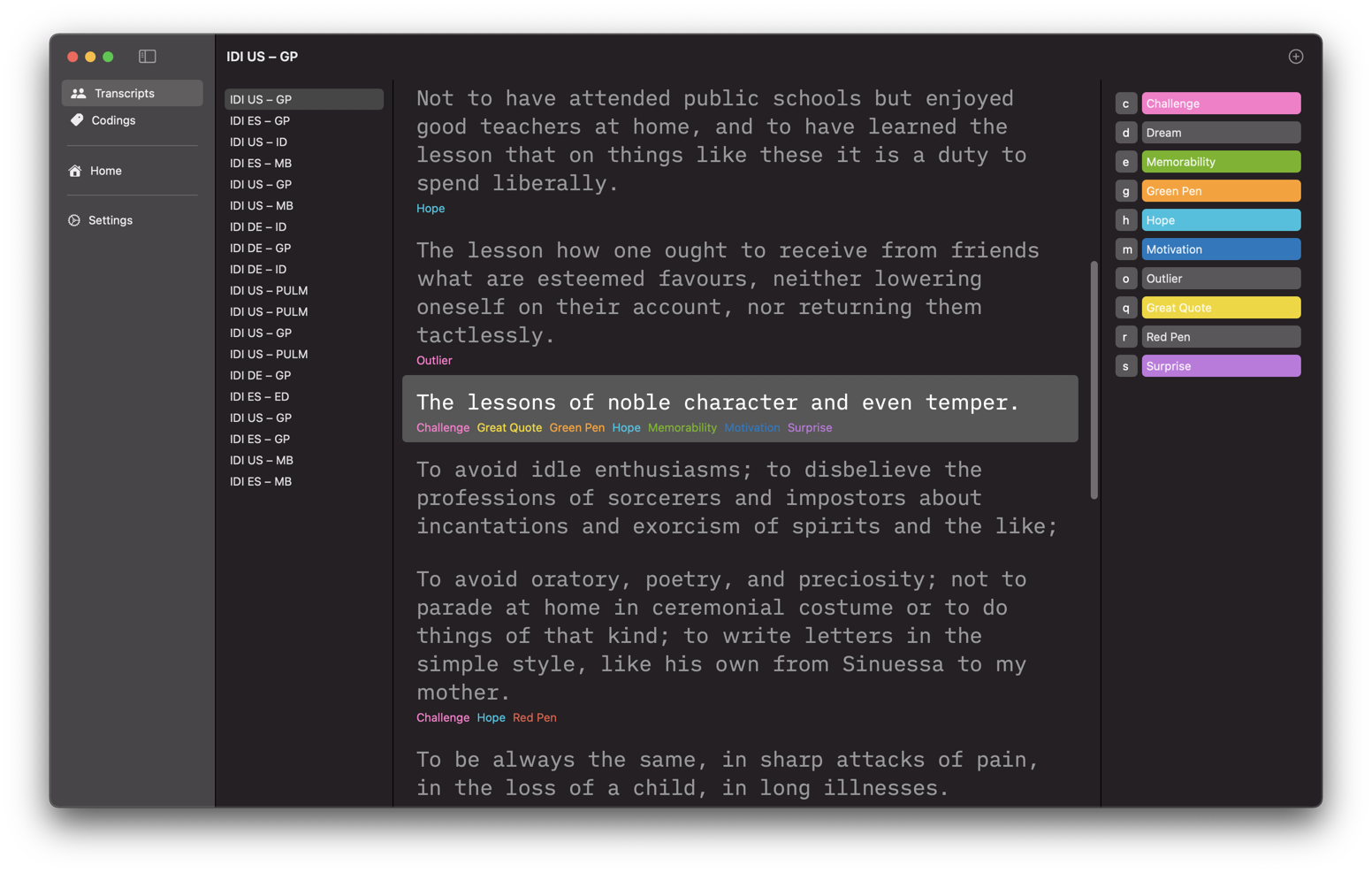
With Translucency!
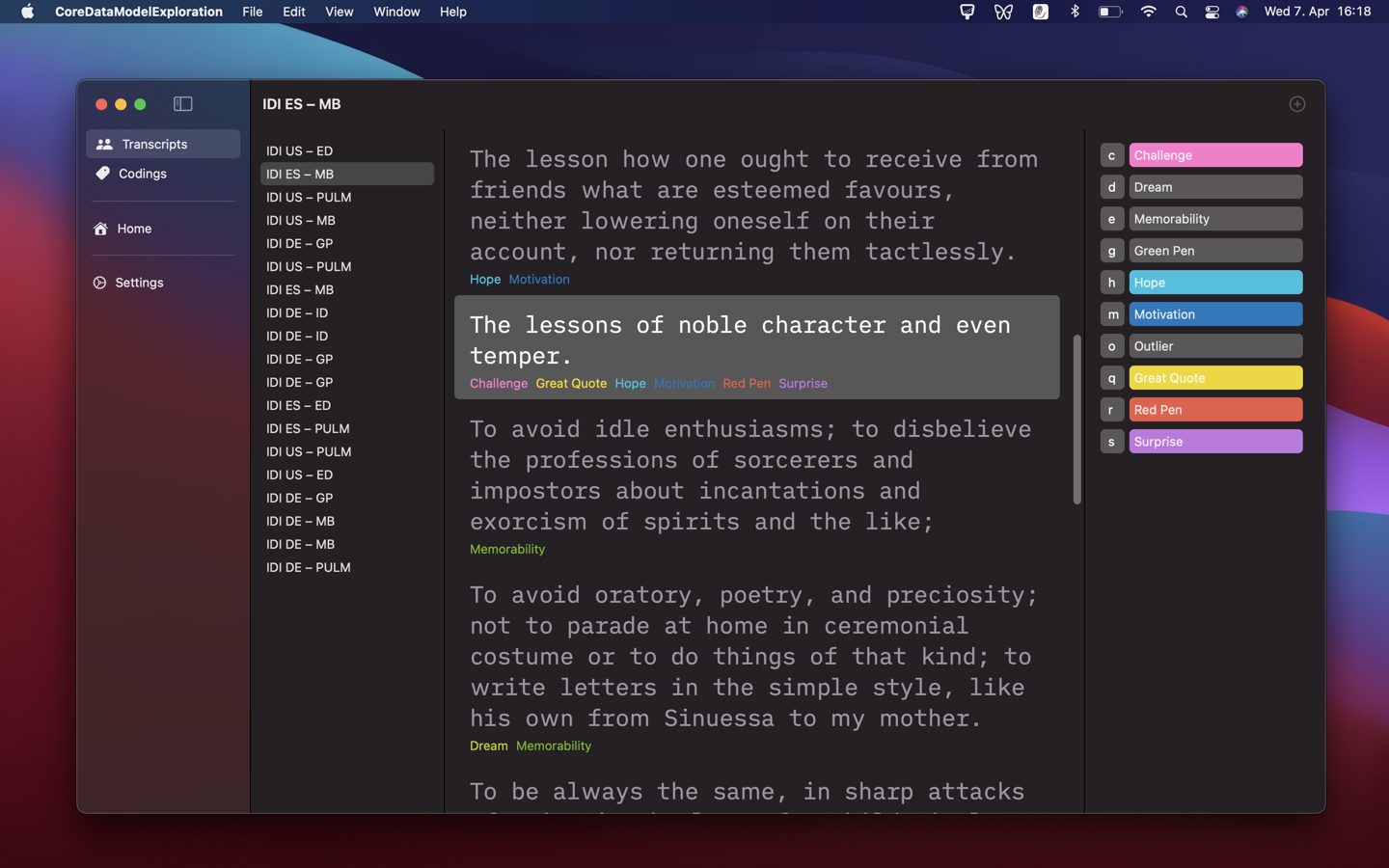
With Codings!
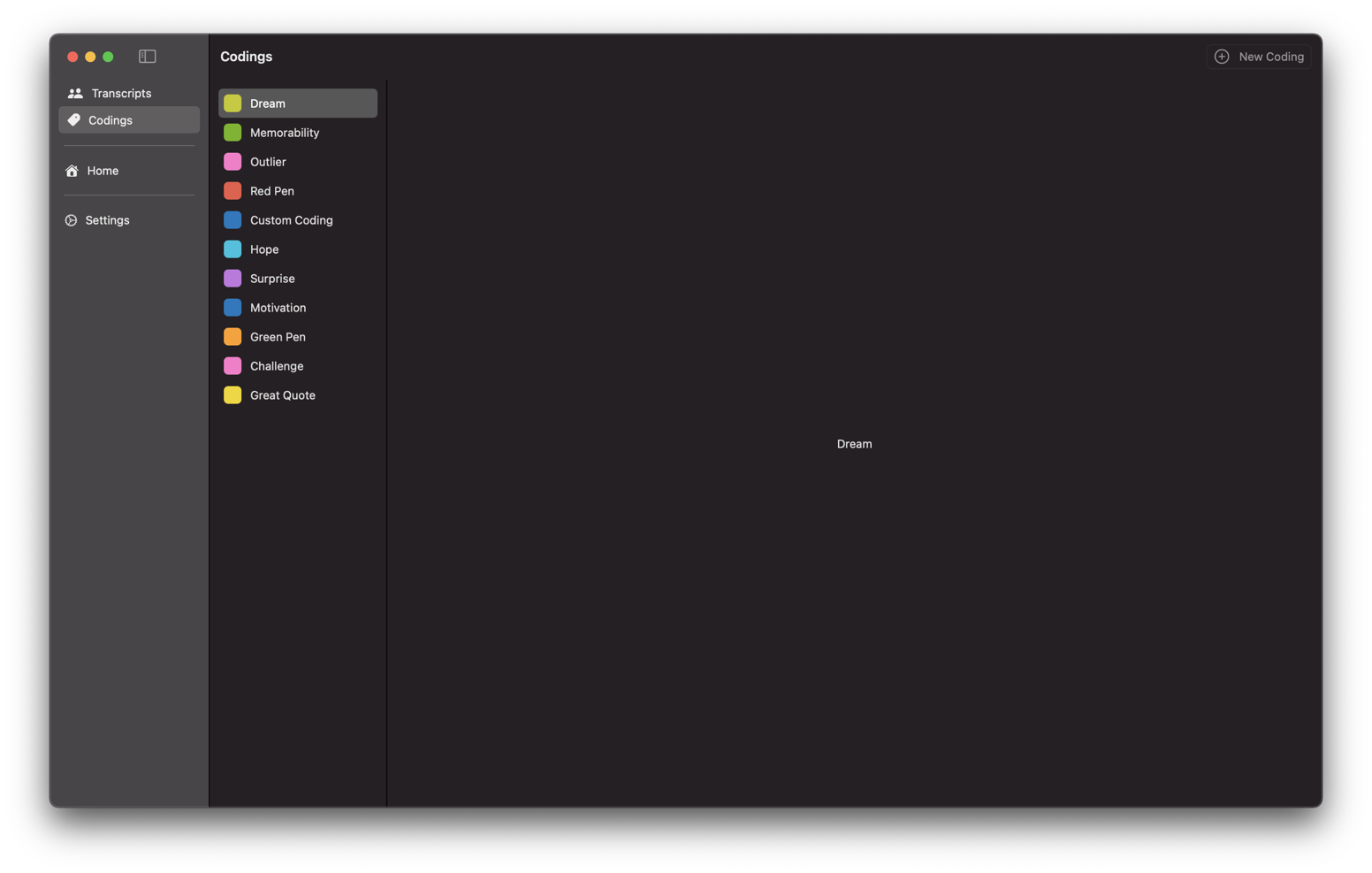
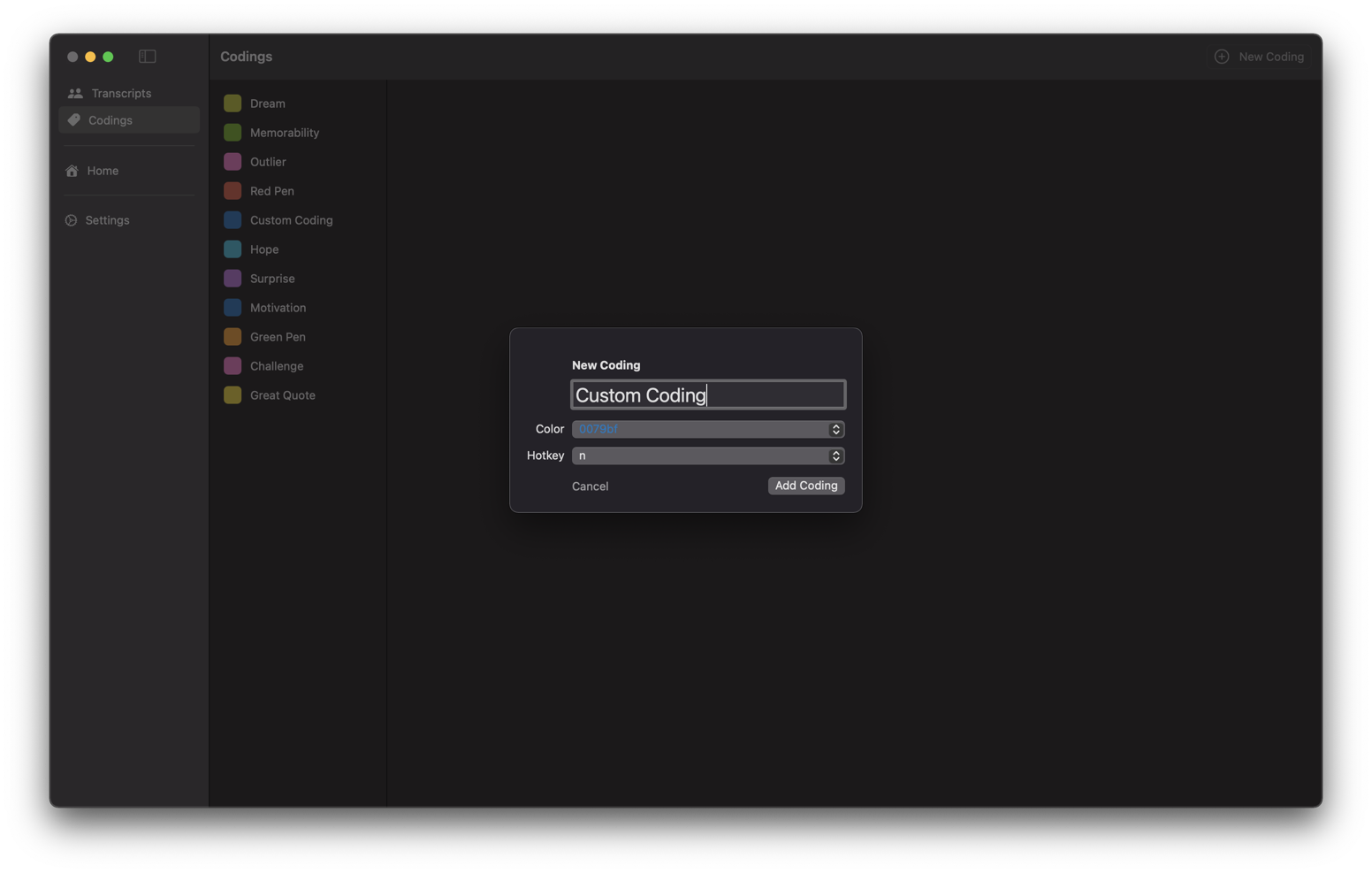
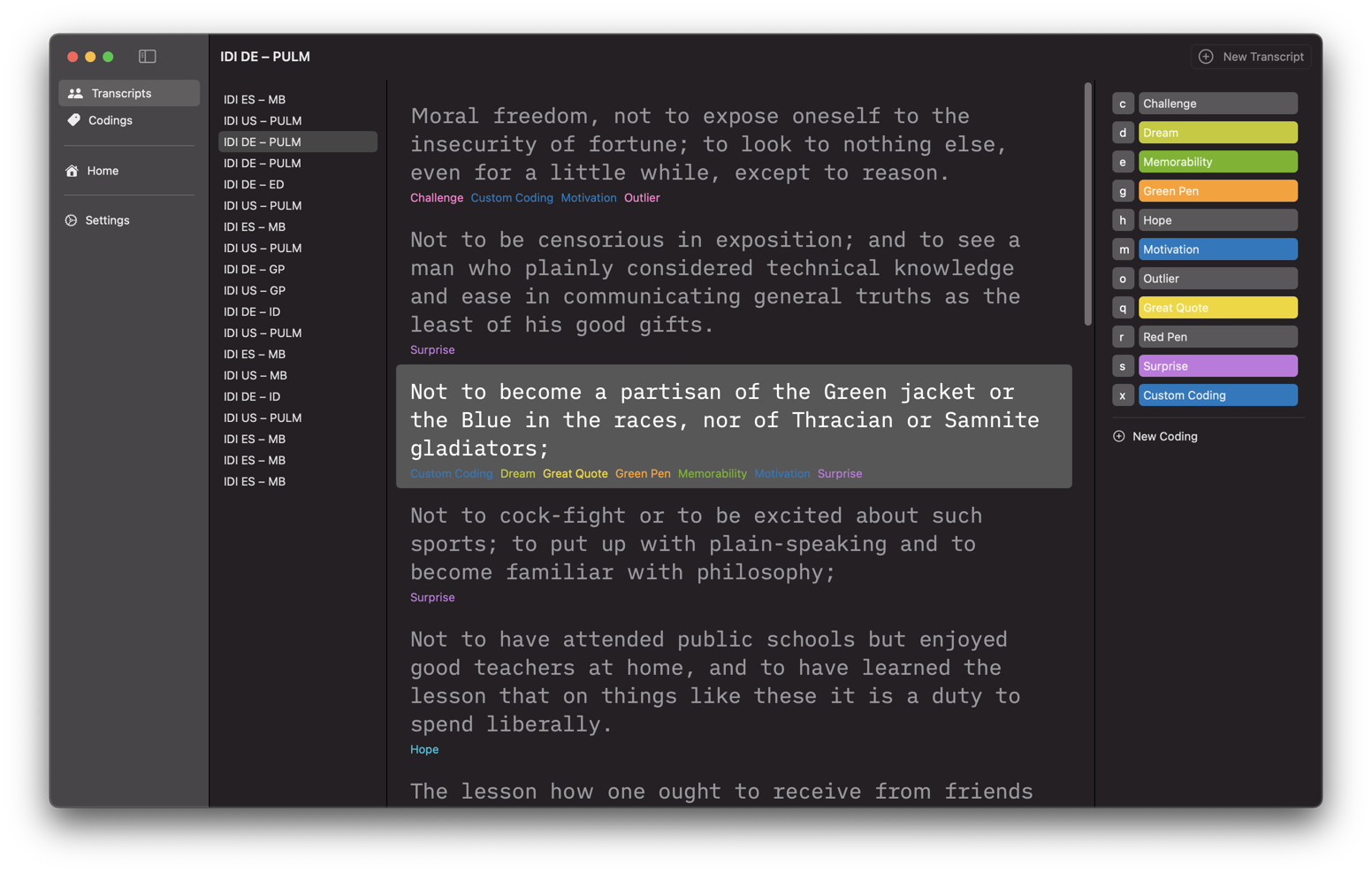
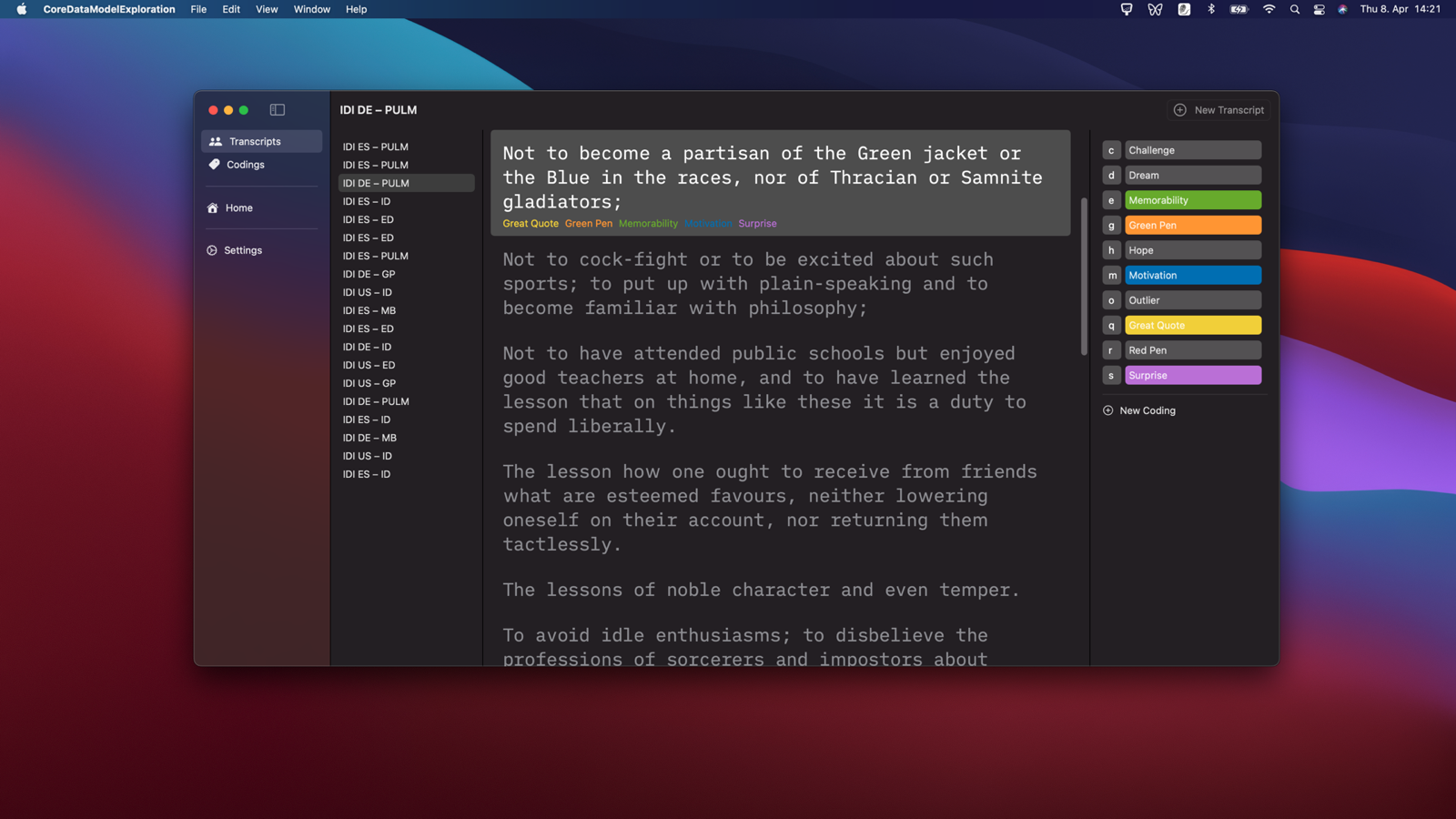
With Coding Stats!
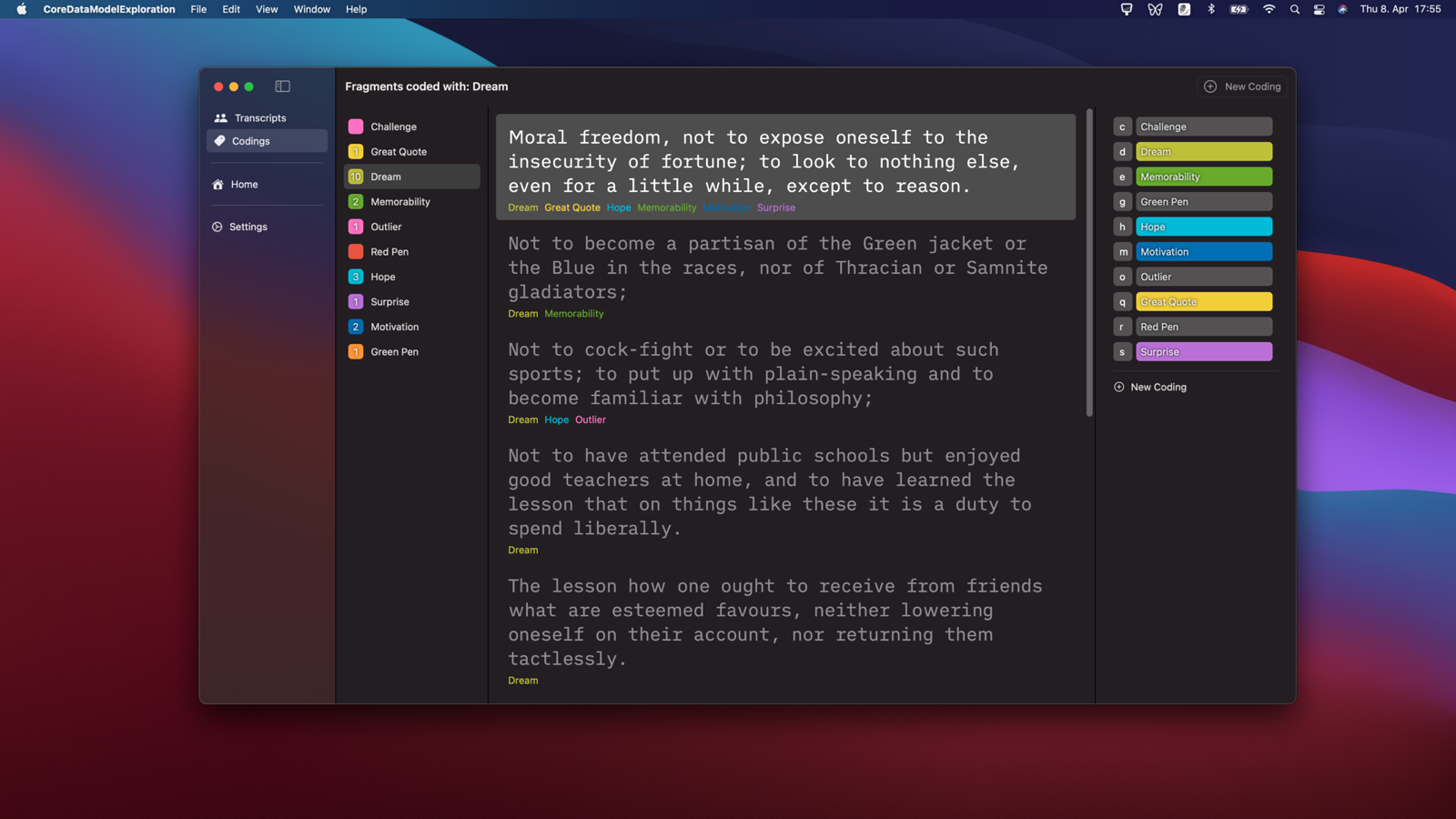
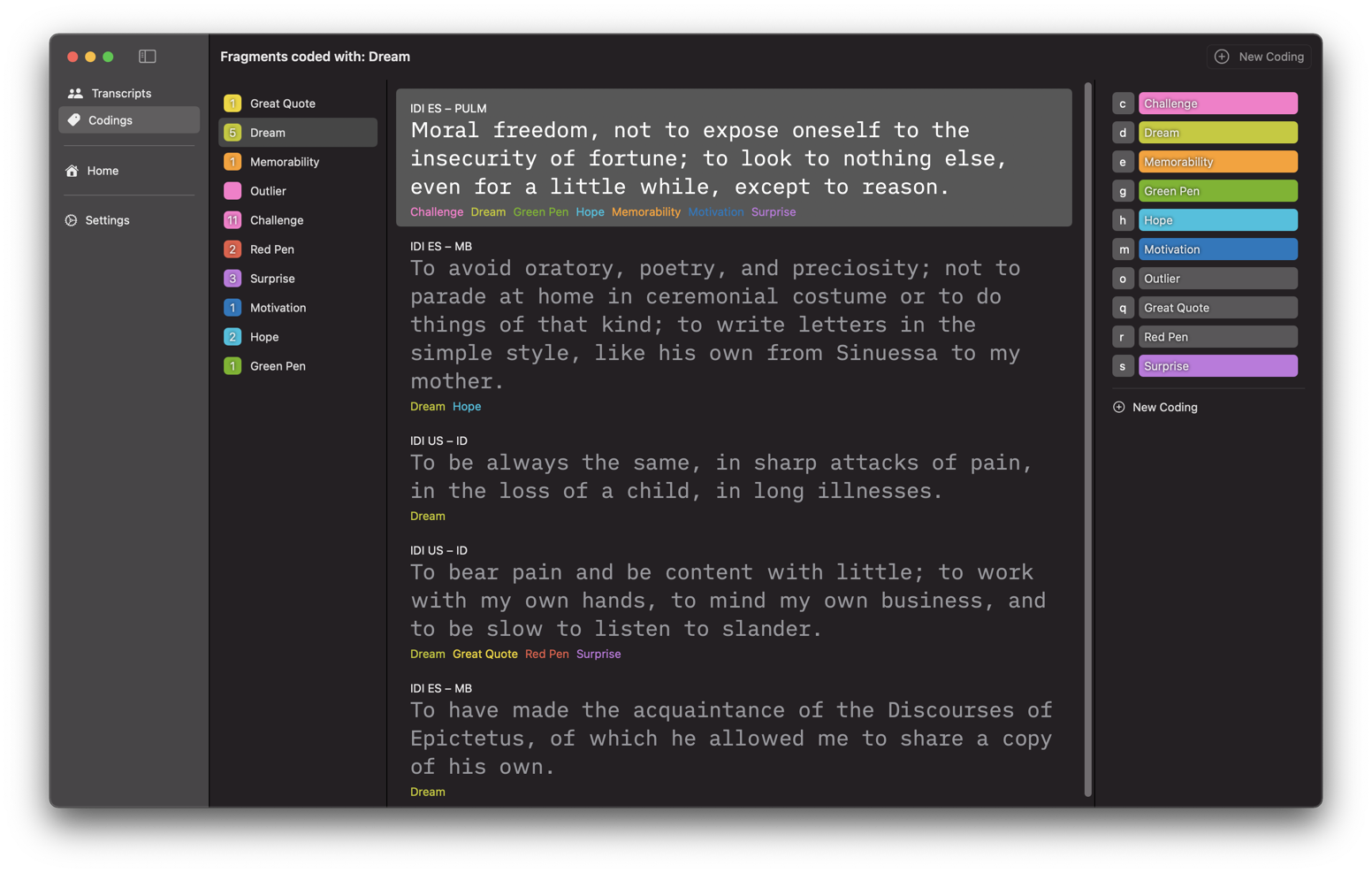
With Awesome Form!
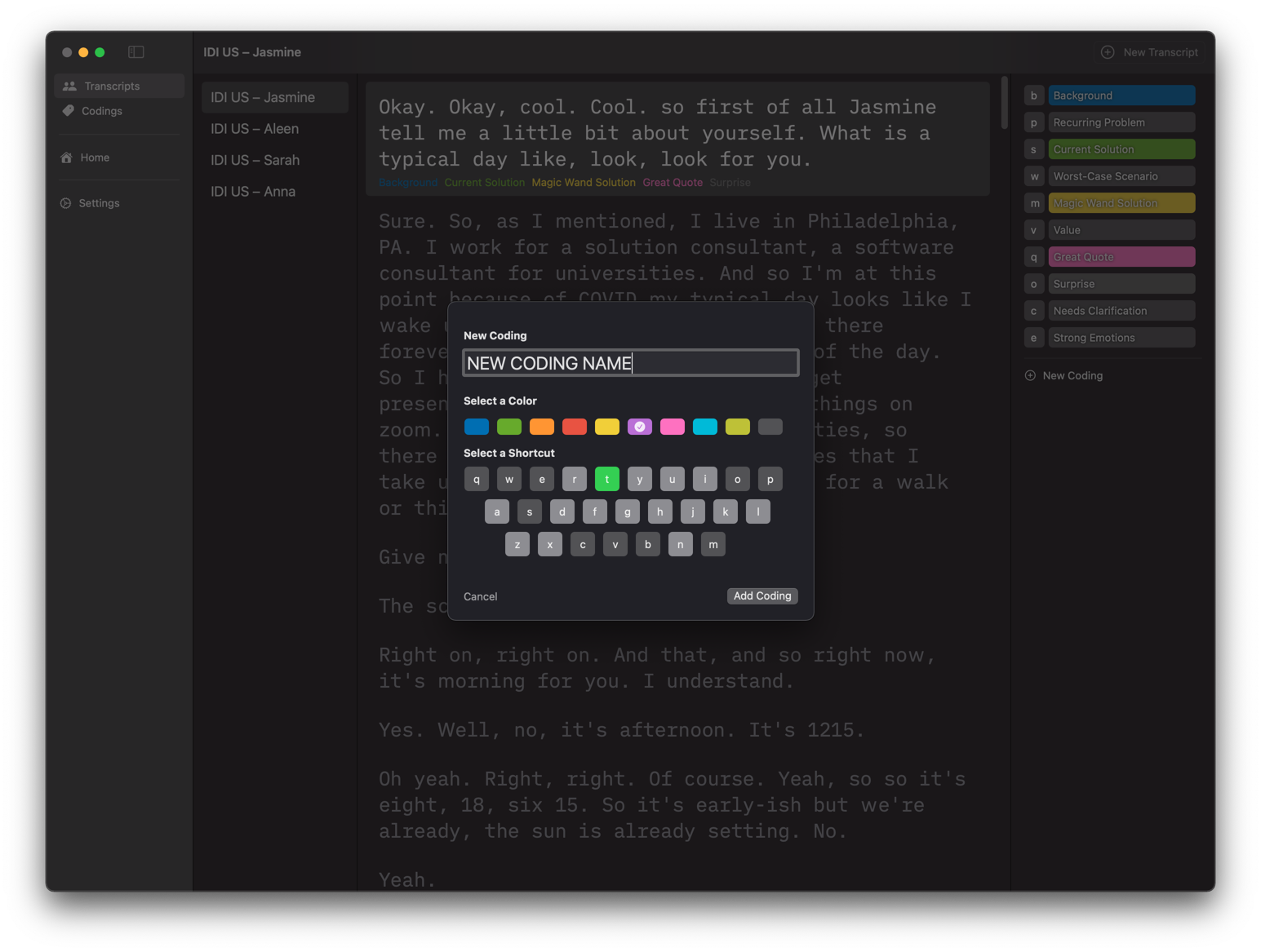
With Autocoding!
Naming Ideas!
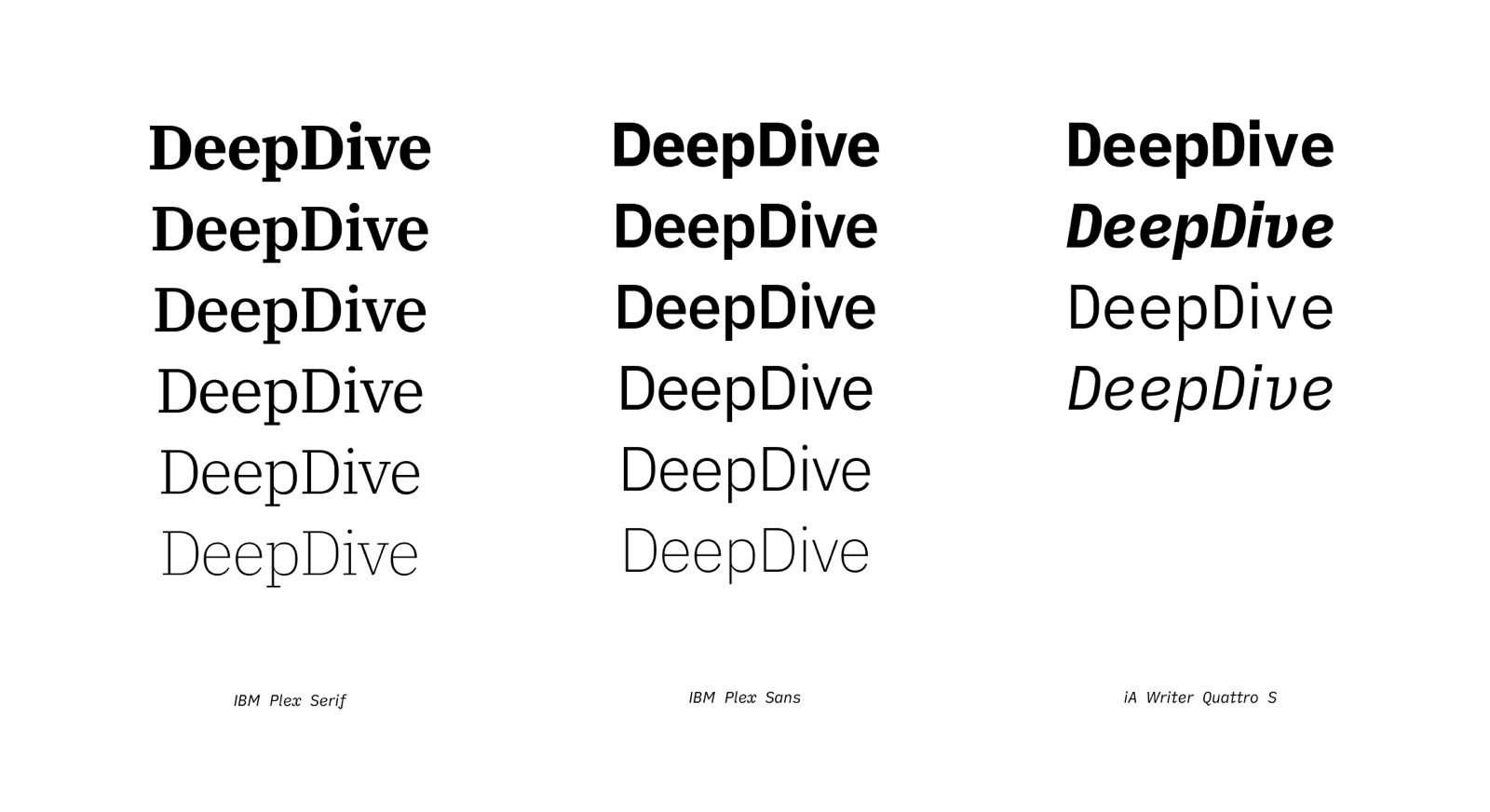
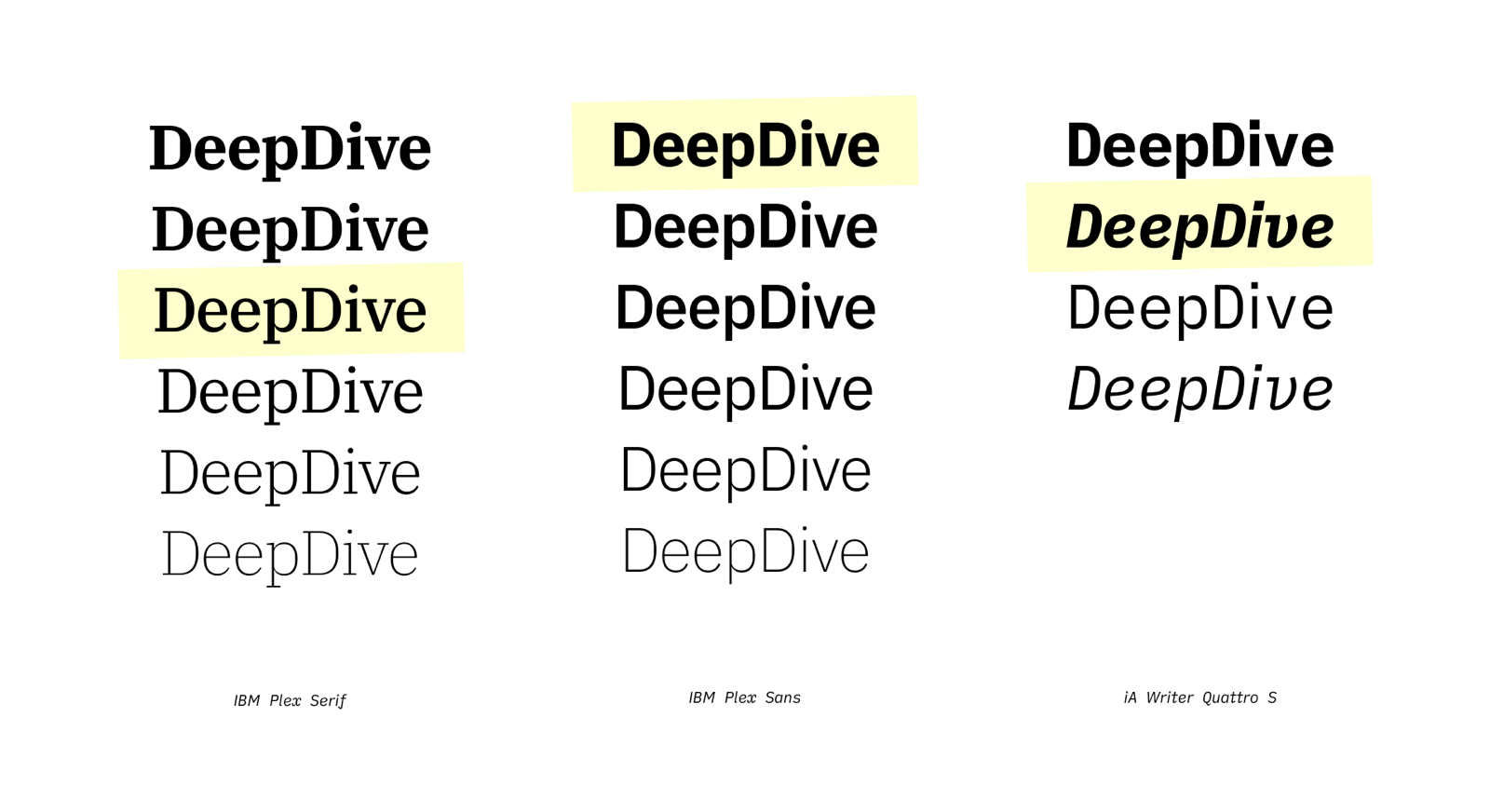
Alias and Manual Tagging!
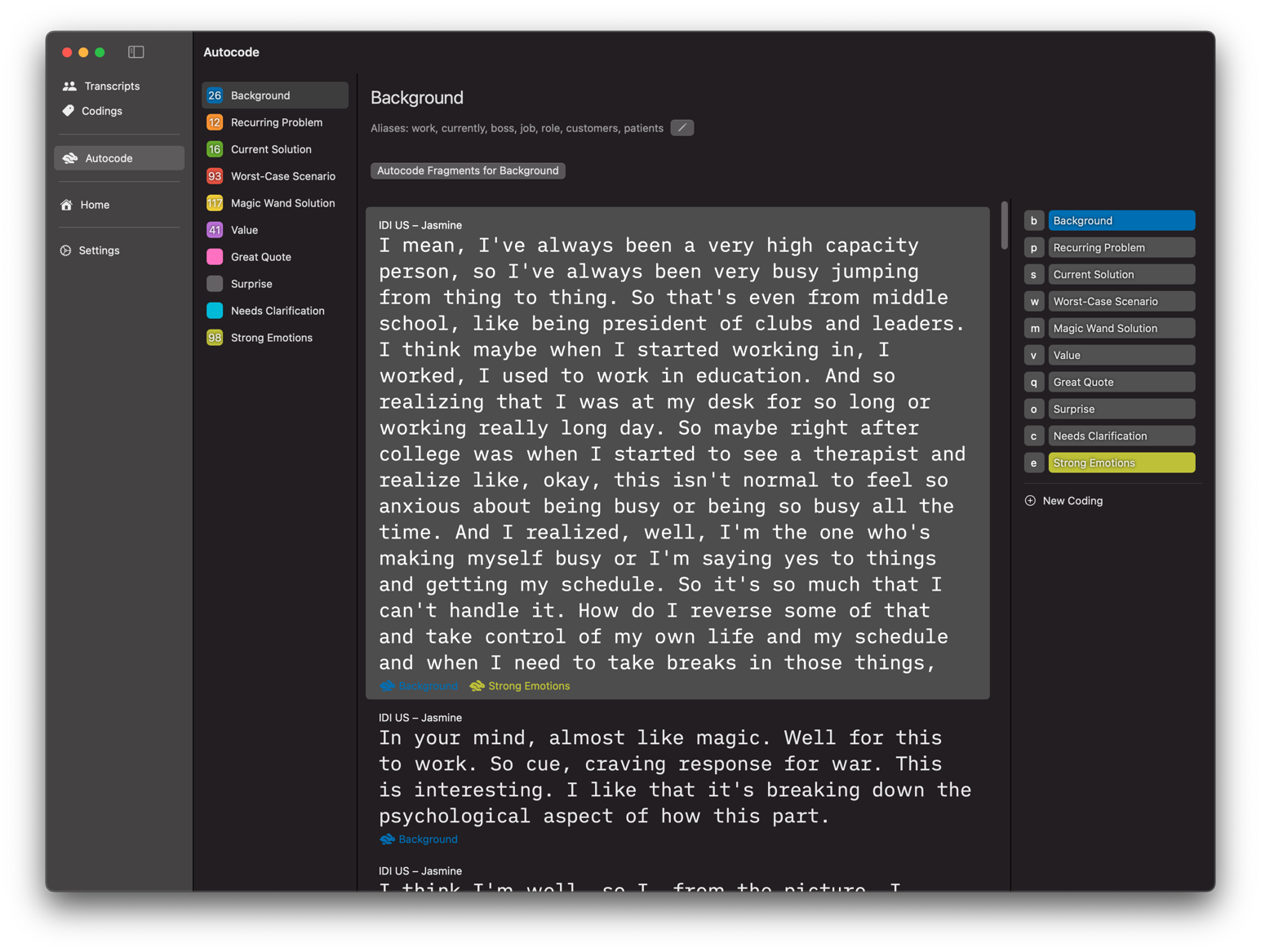

New Sidebar Items!
Spend more quality time with your transcripts
Taggings Highlighted!
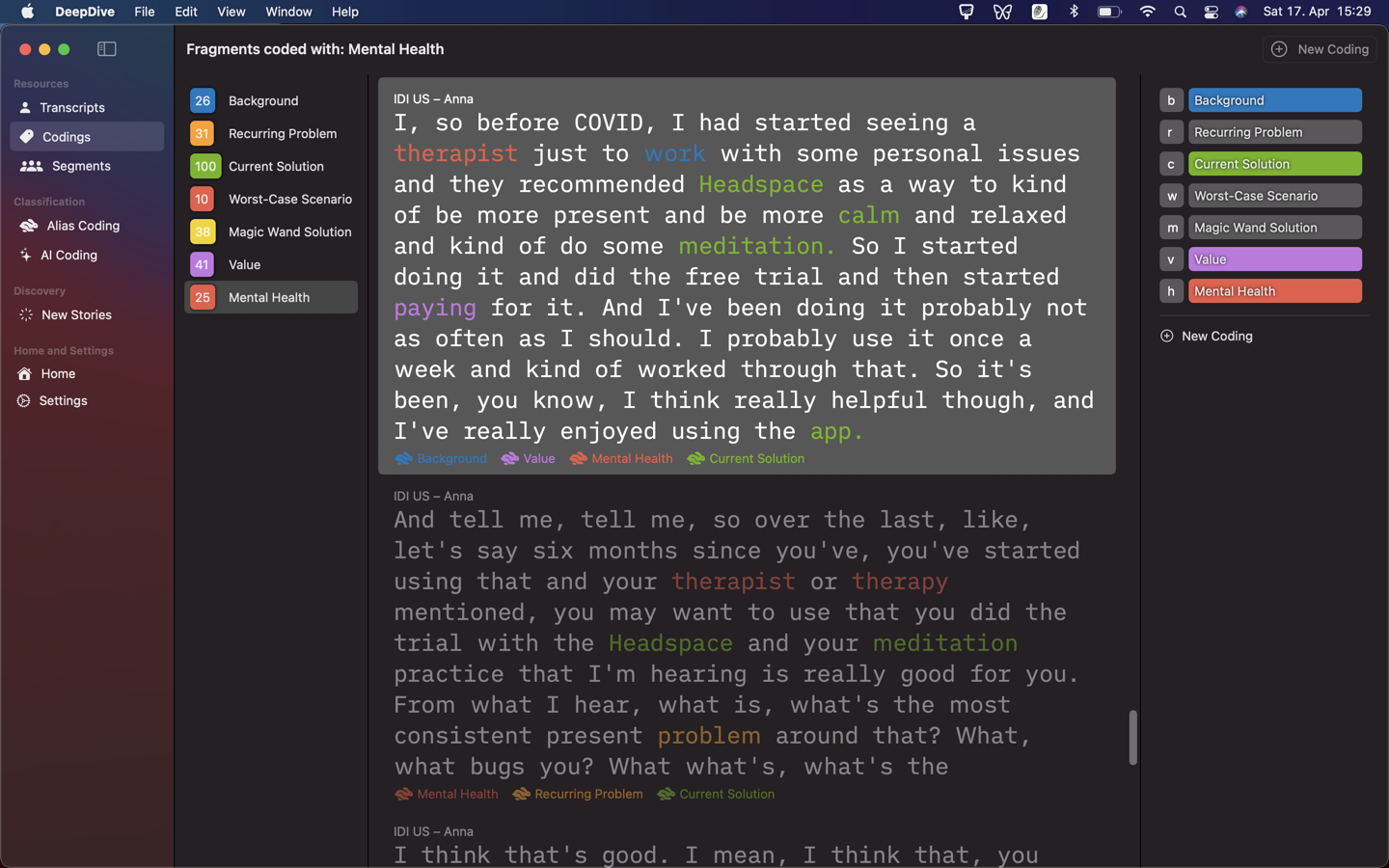
Better Selection Highlighting!
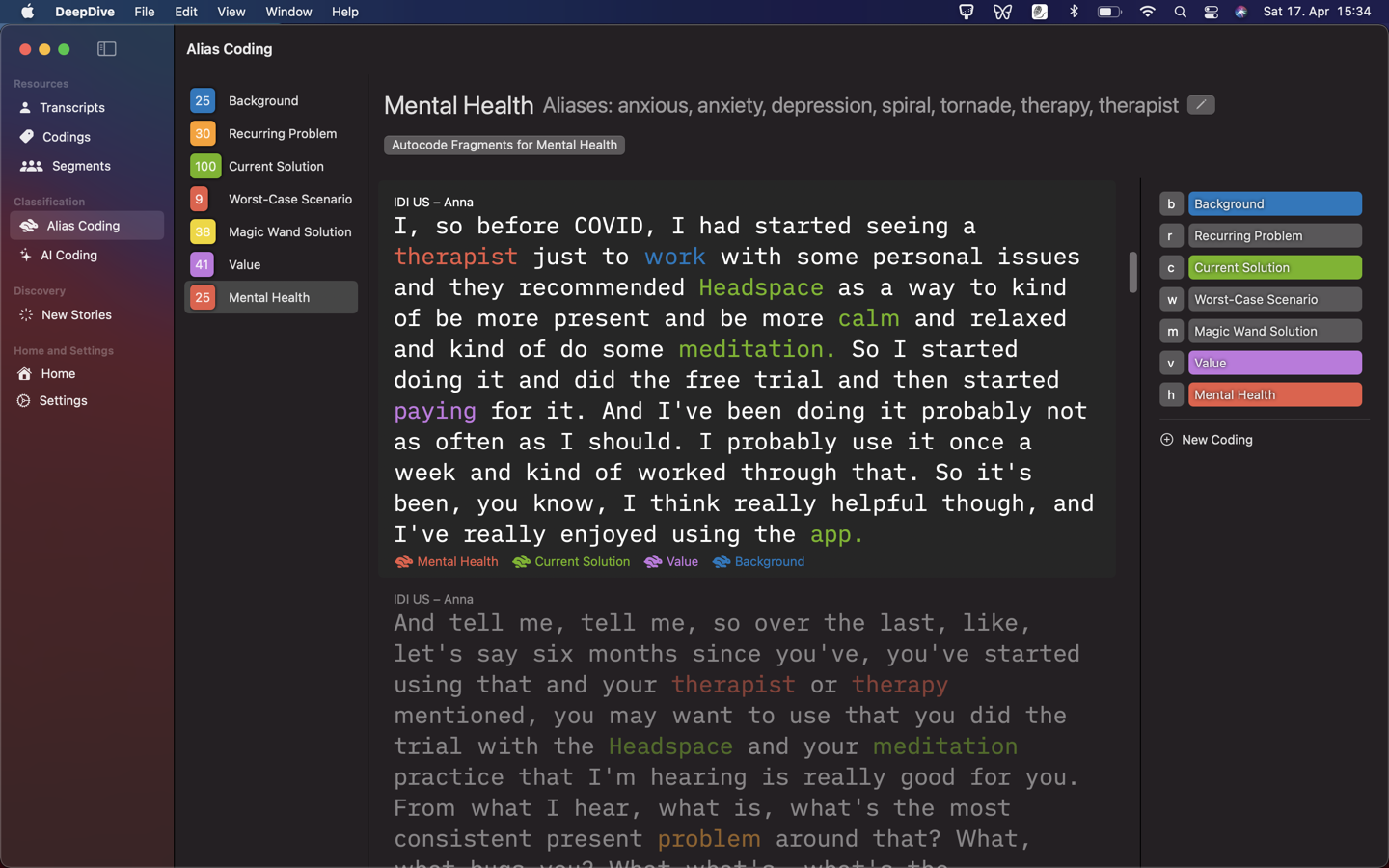
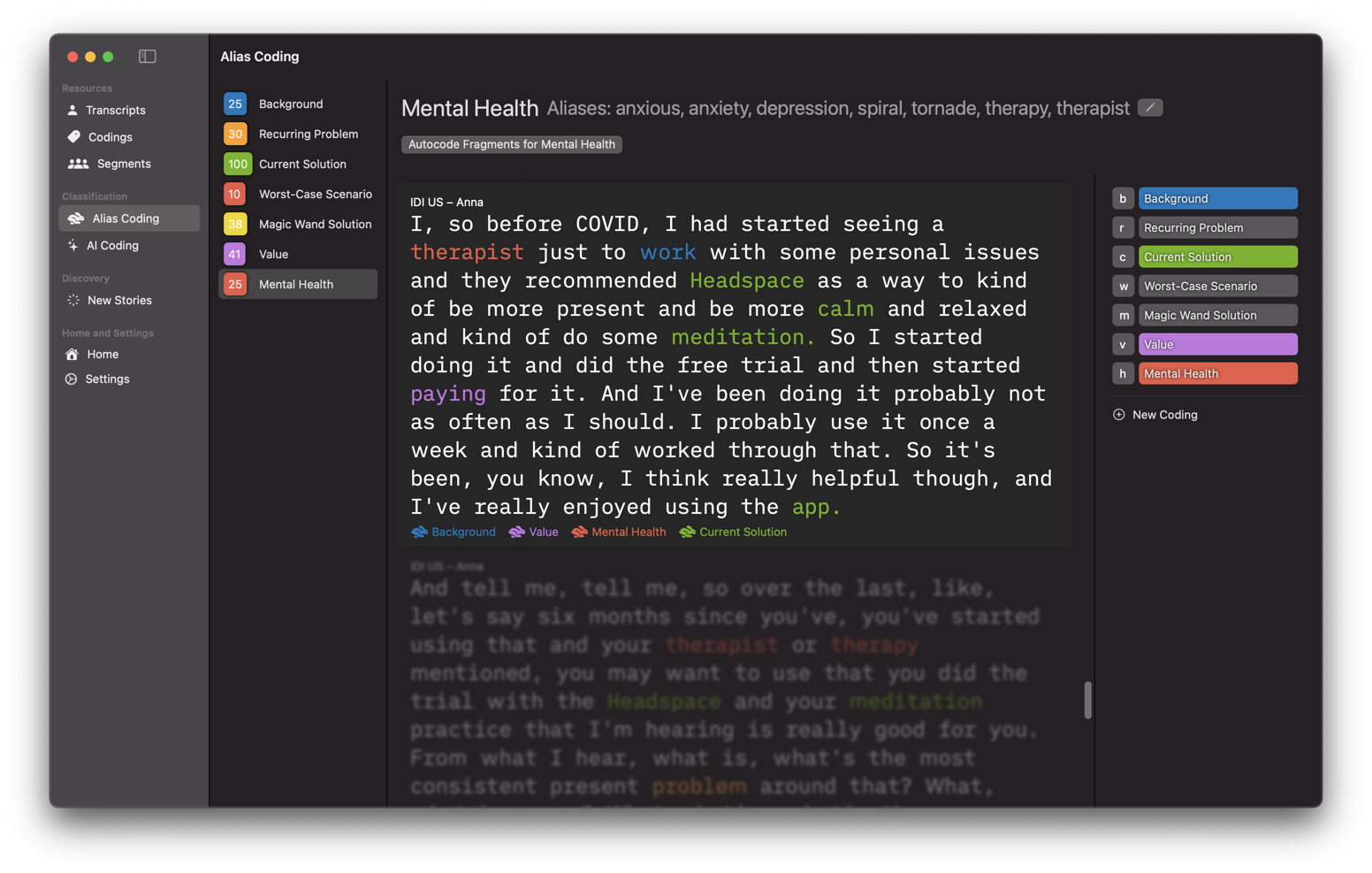
…maybe with blurring?
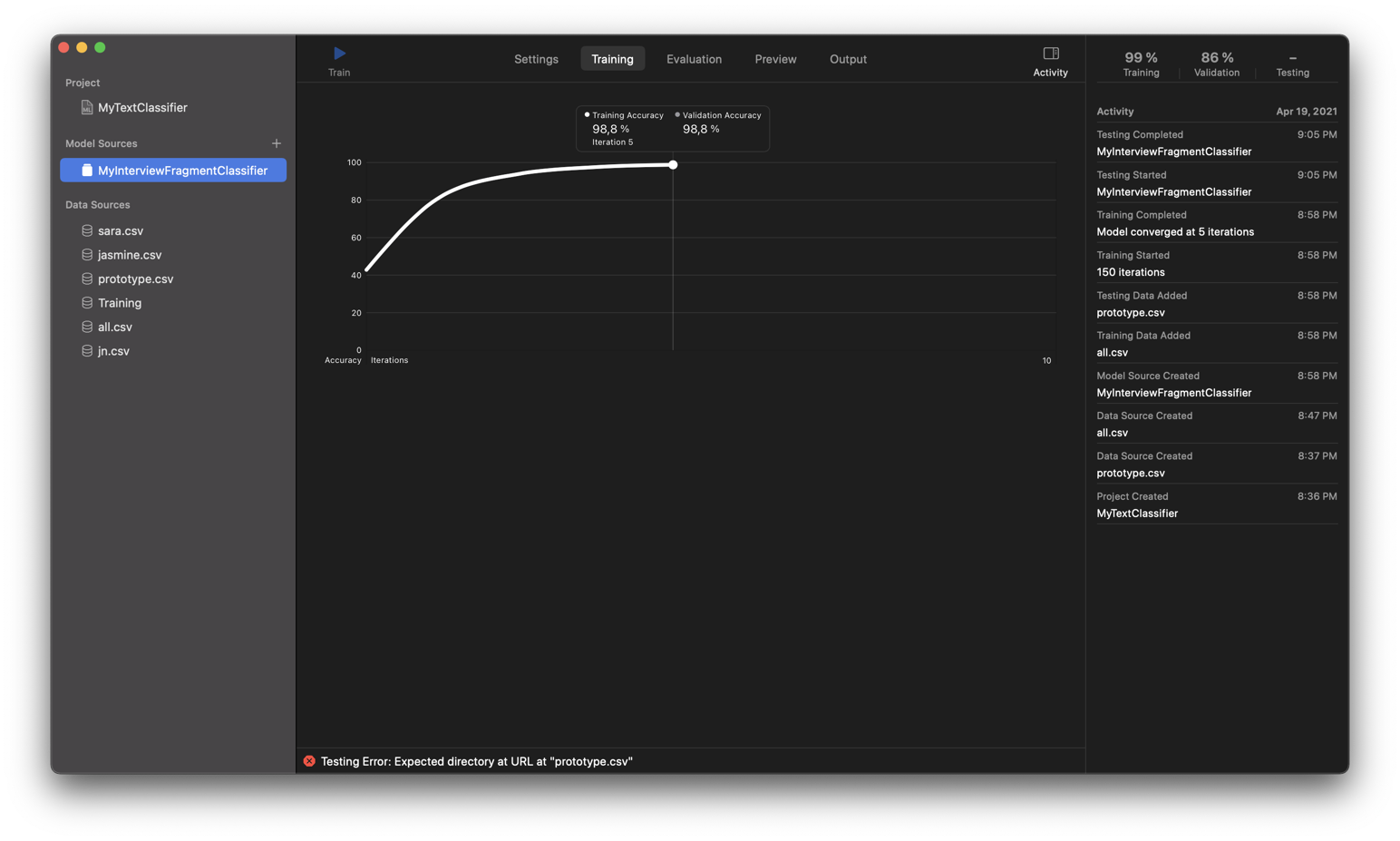
With Fragment Classification Training!
With Prompted Tagging and Highlighting
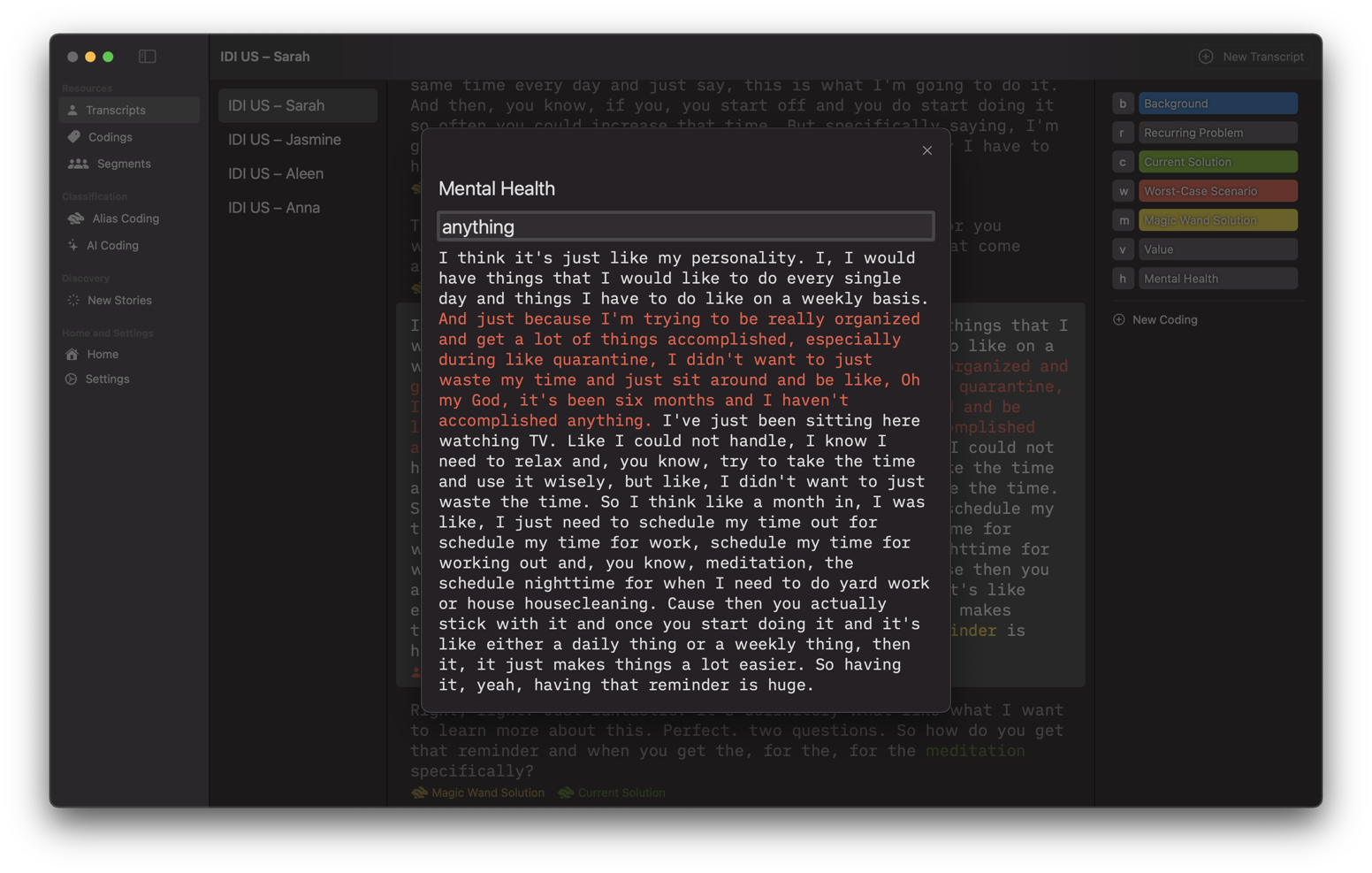
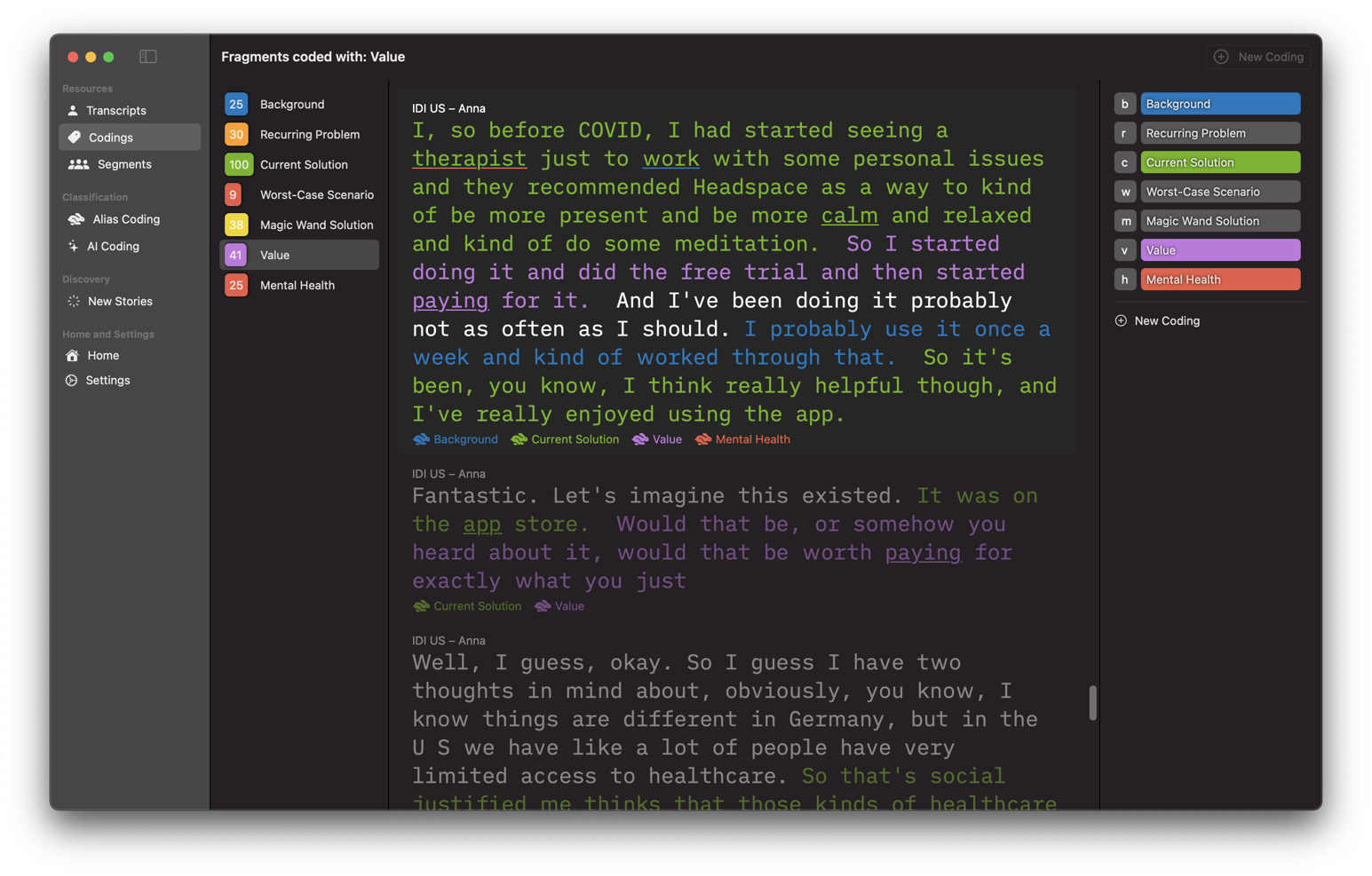
With Multi-Highlighting!

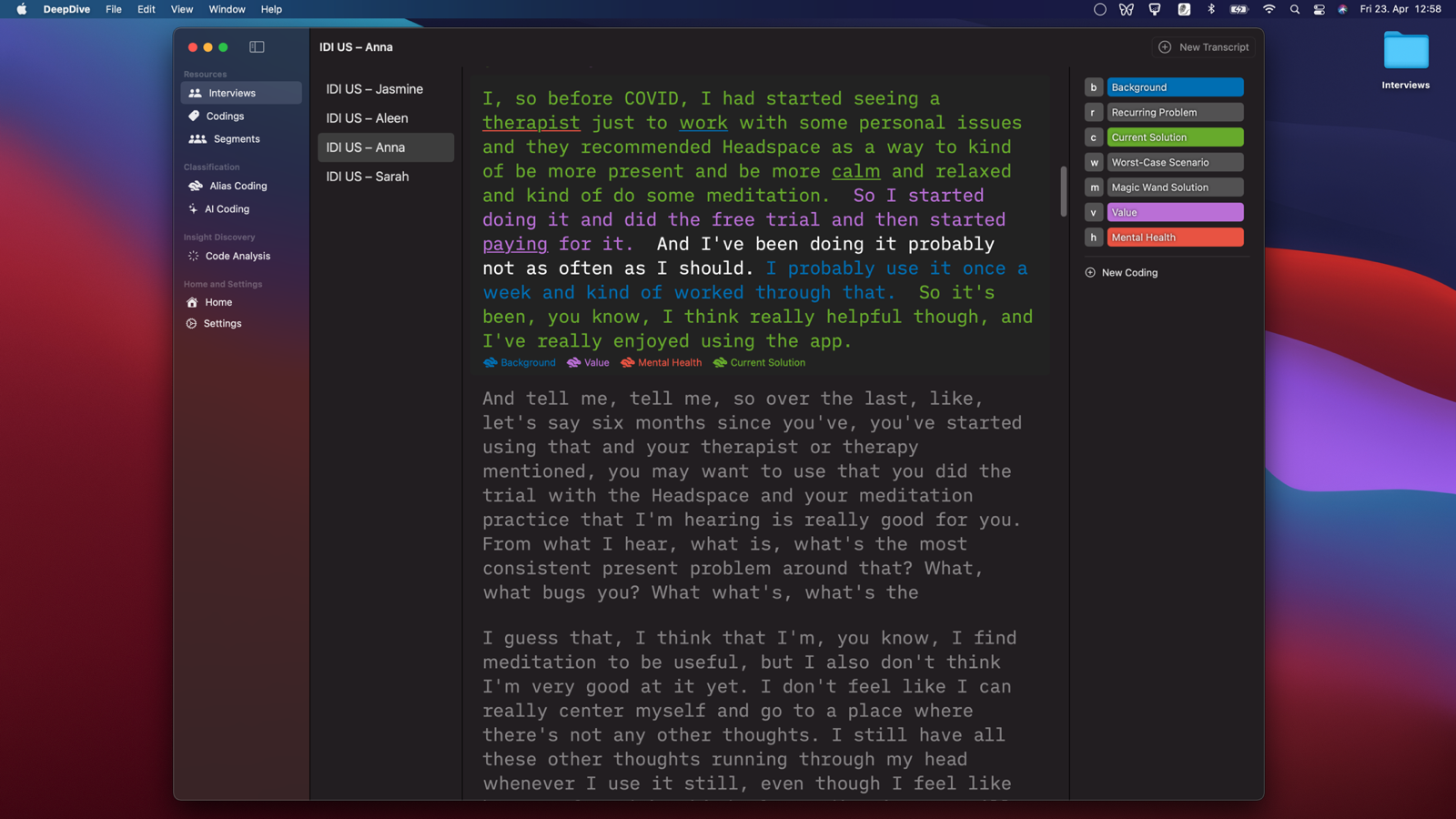
With removing all Alias Codings!
With Segments!
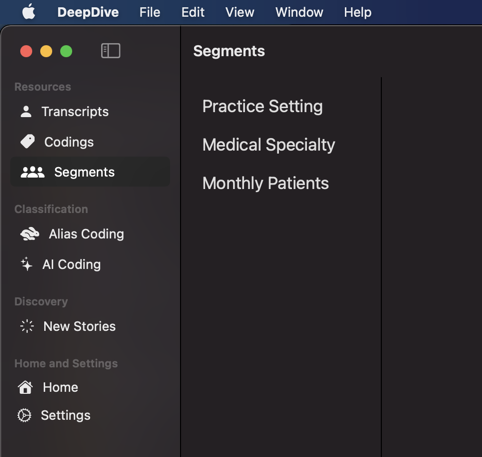
Backlog
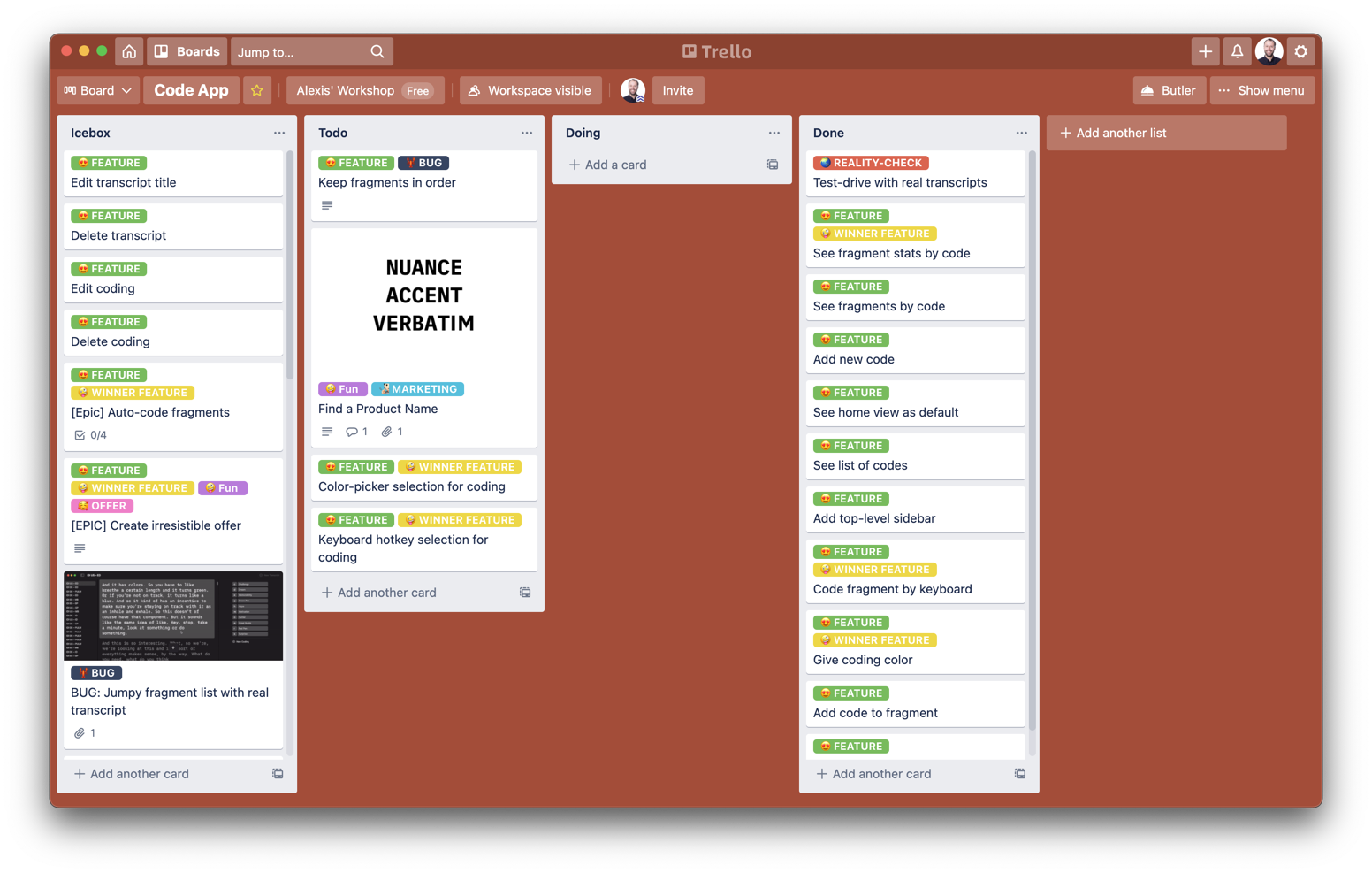
Notes
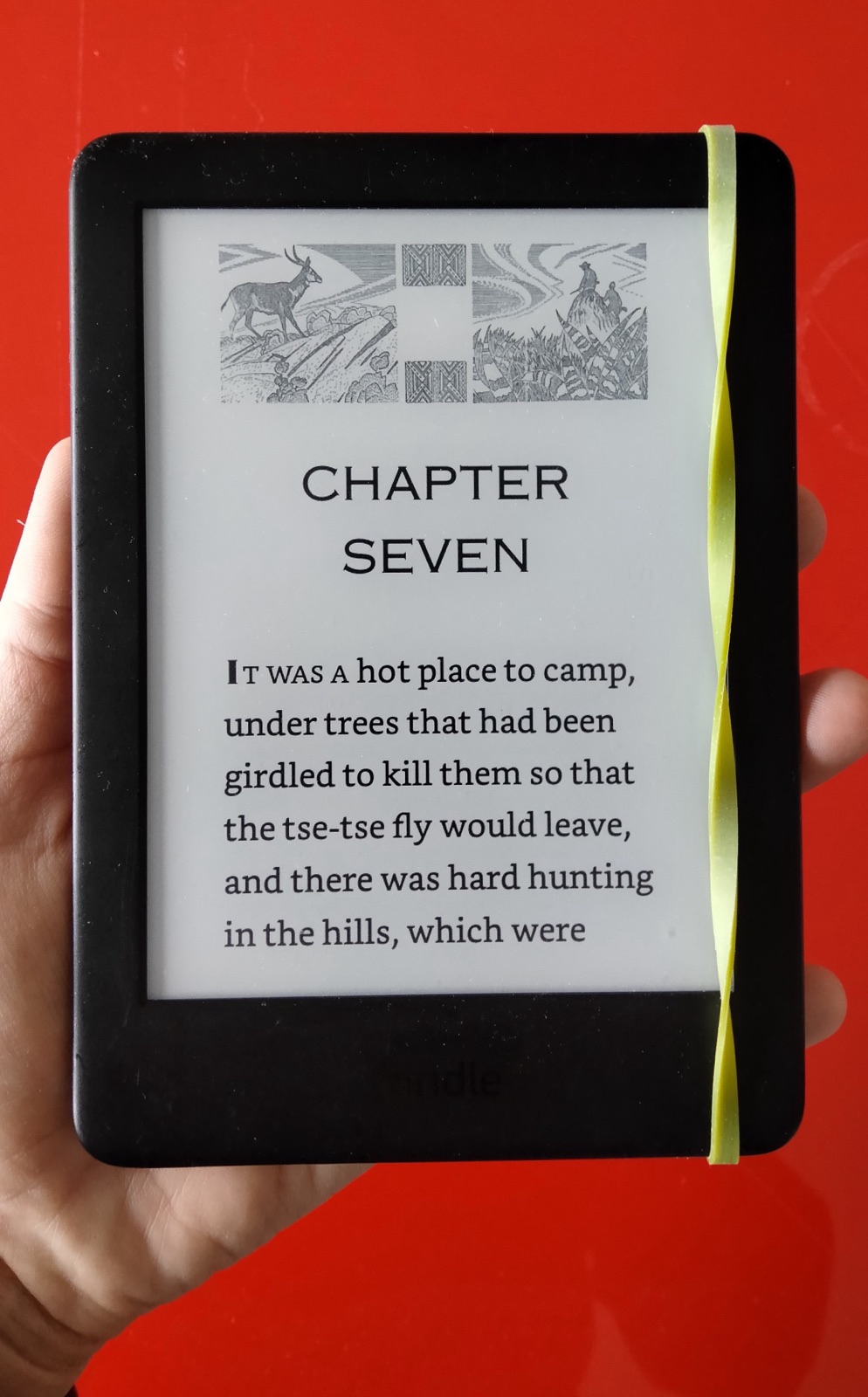
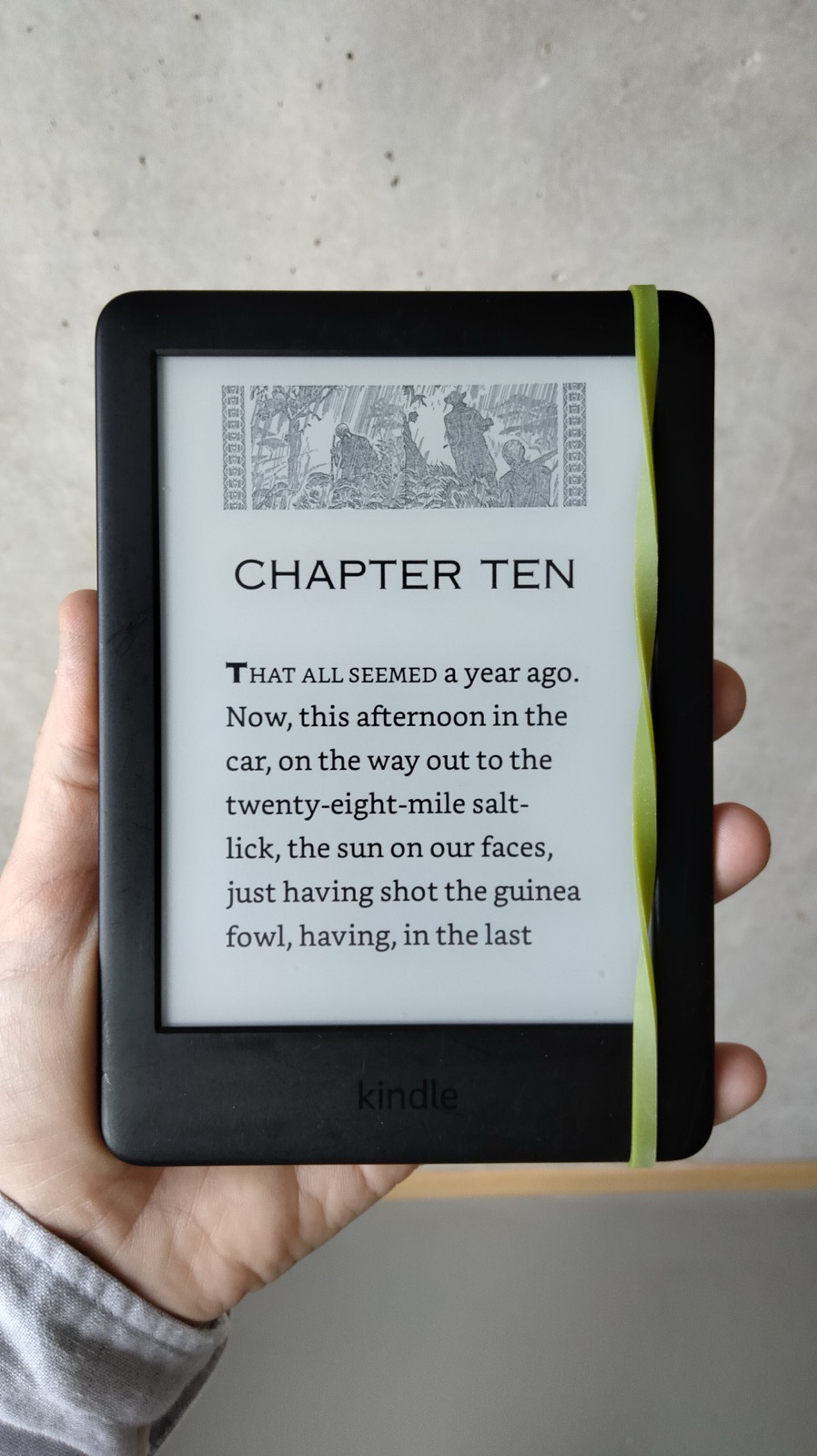
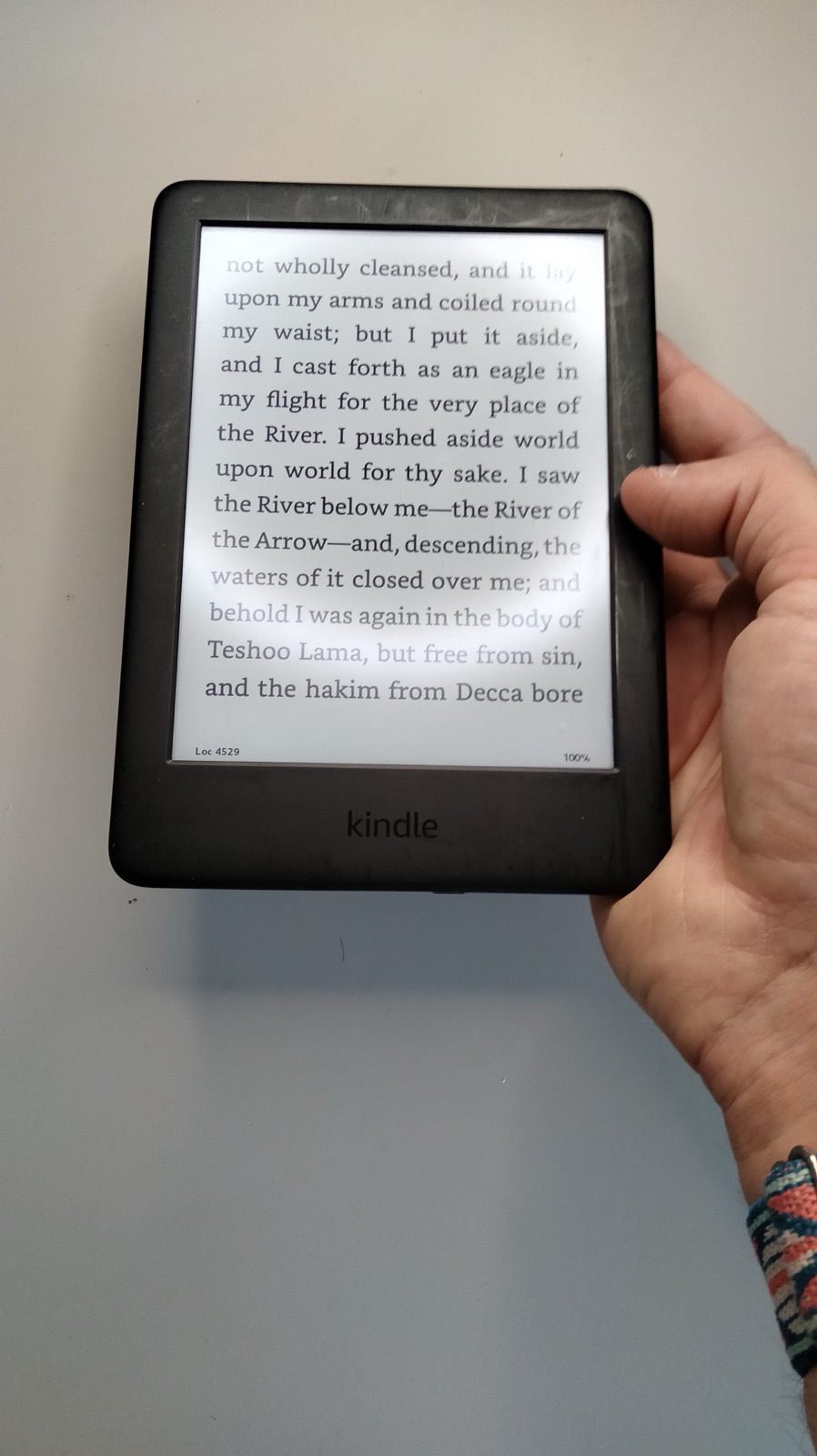
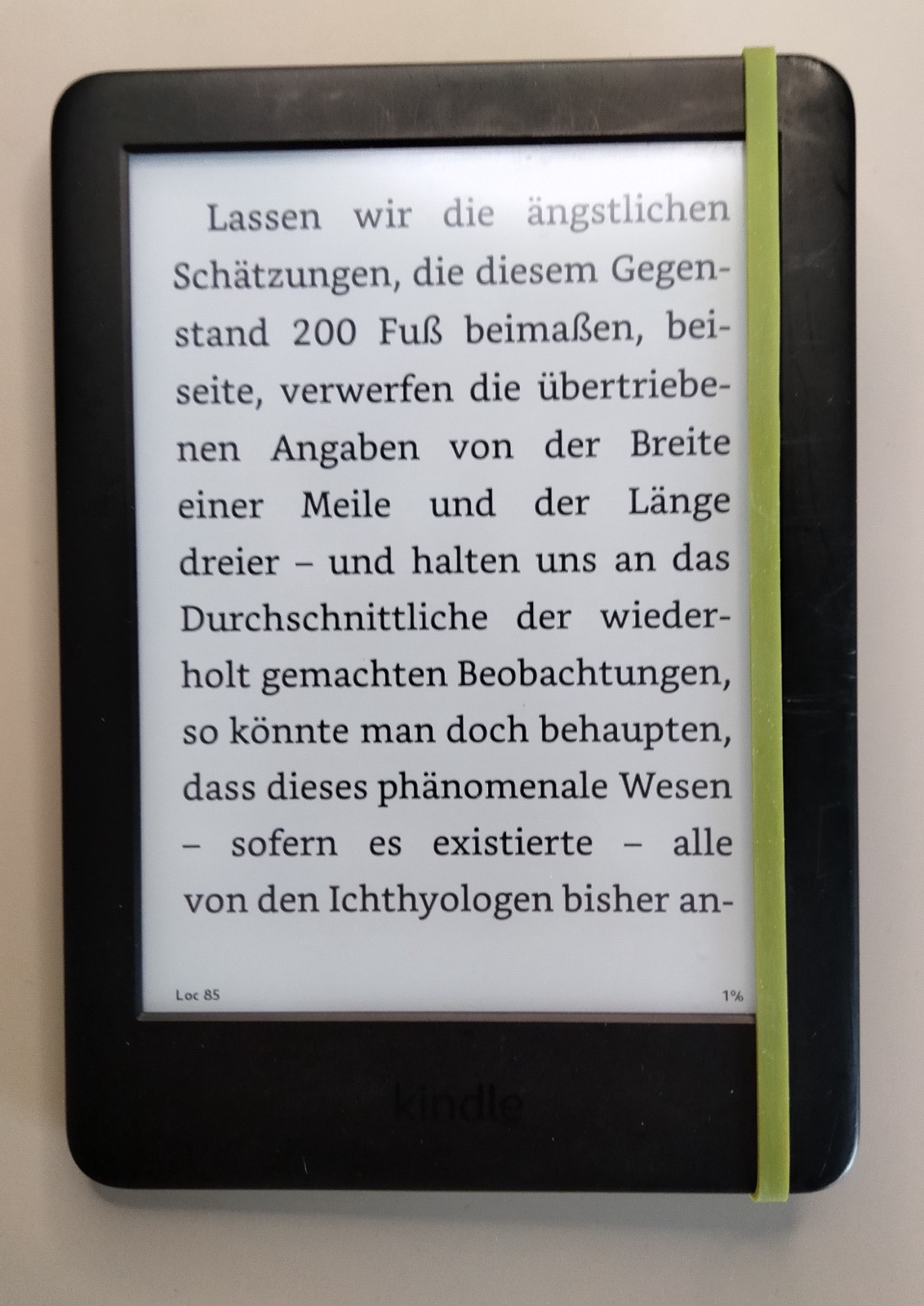
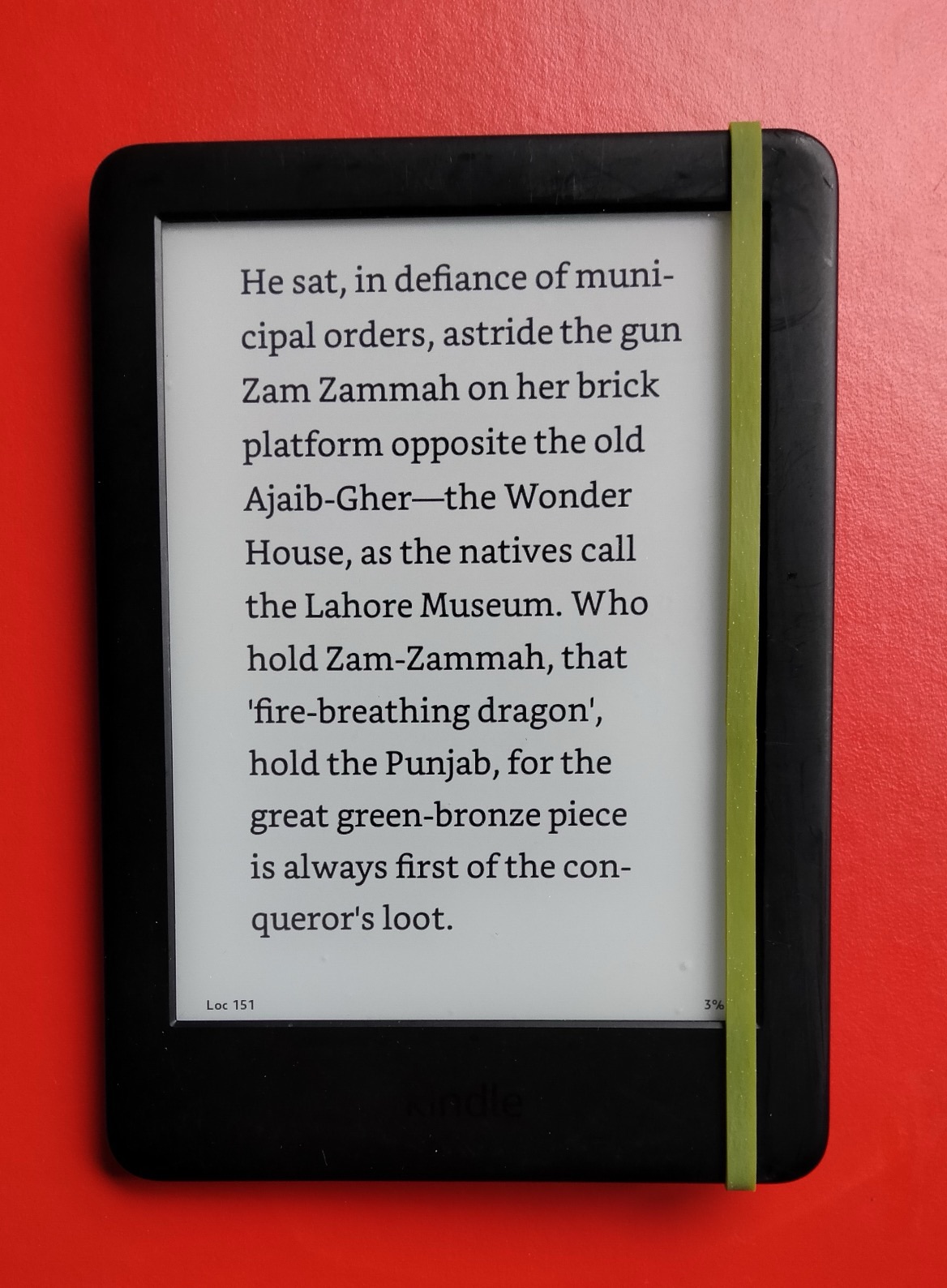
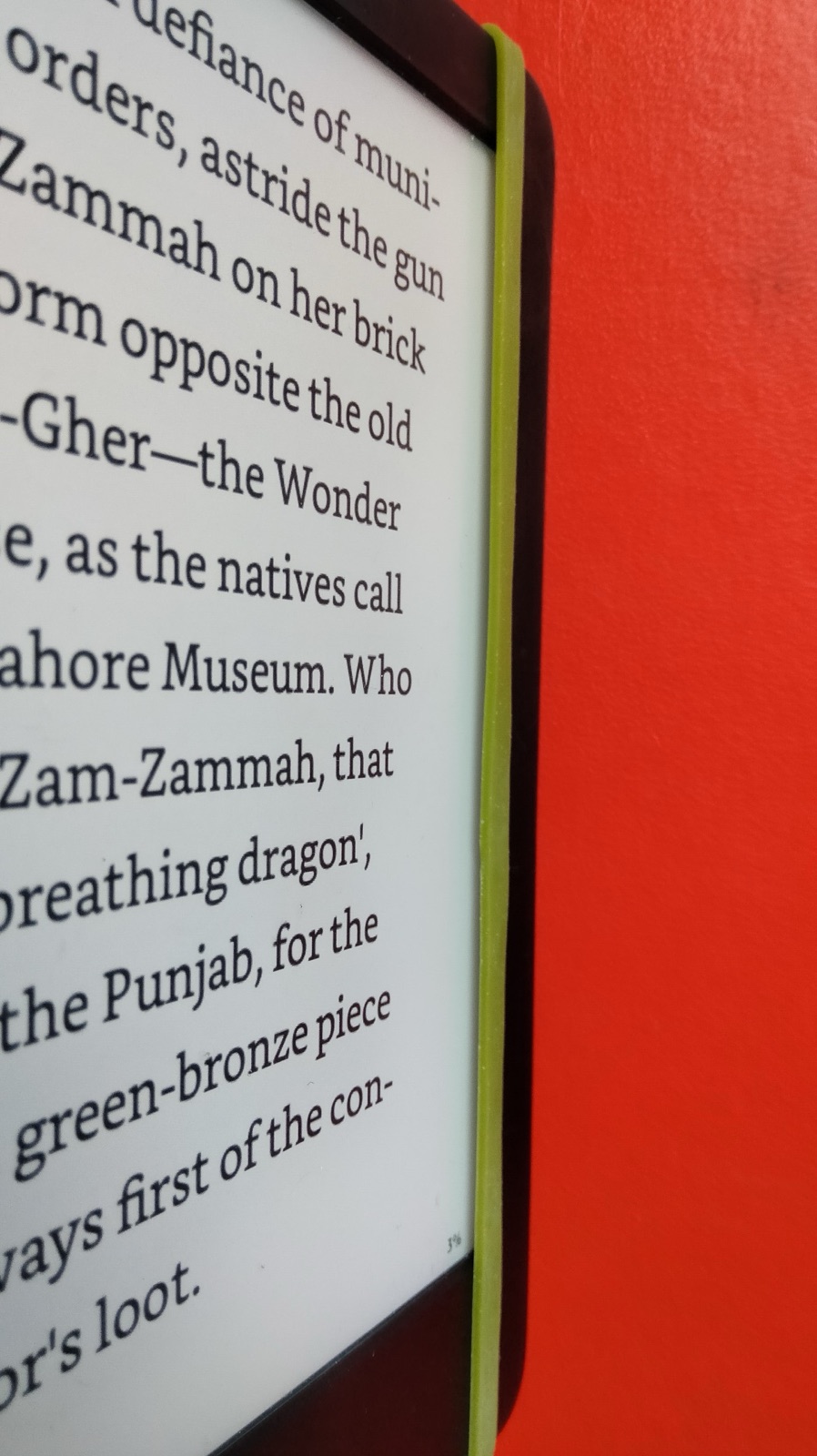
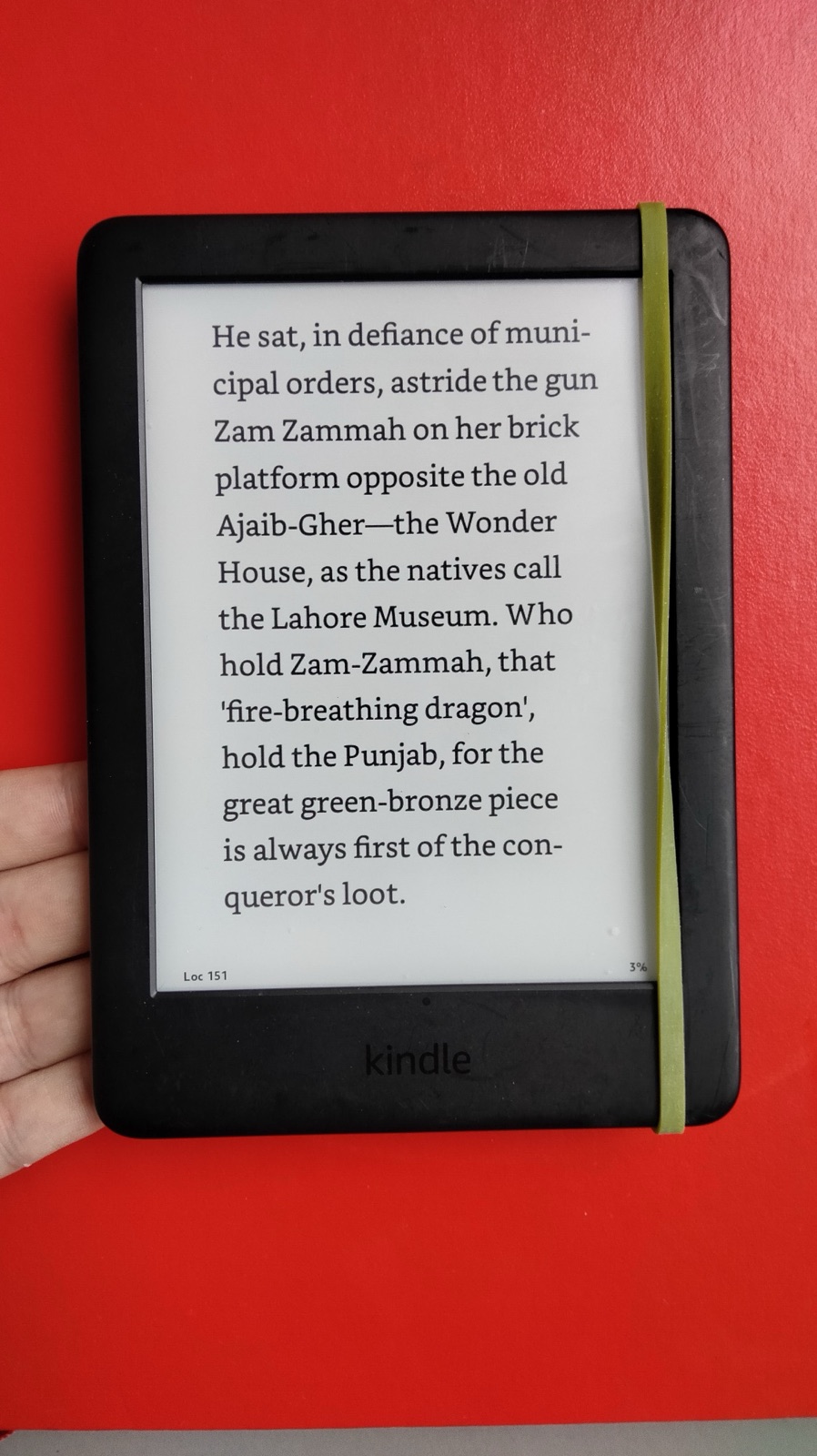
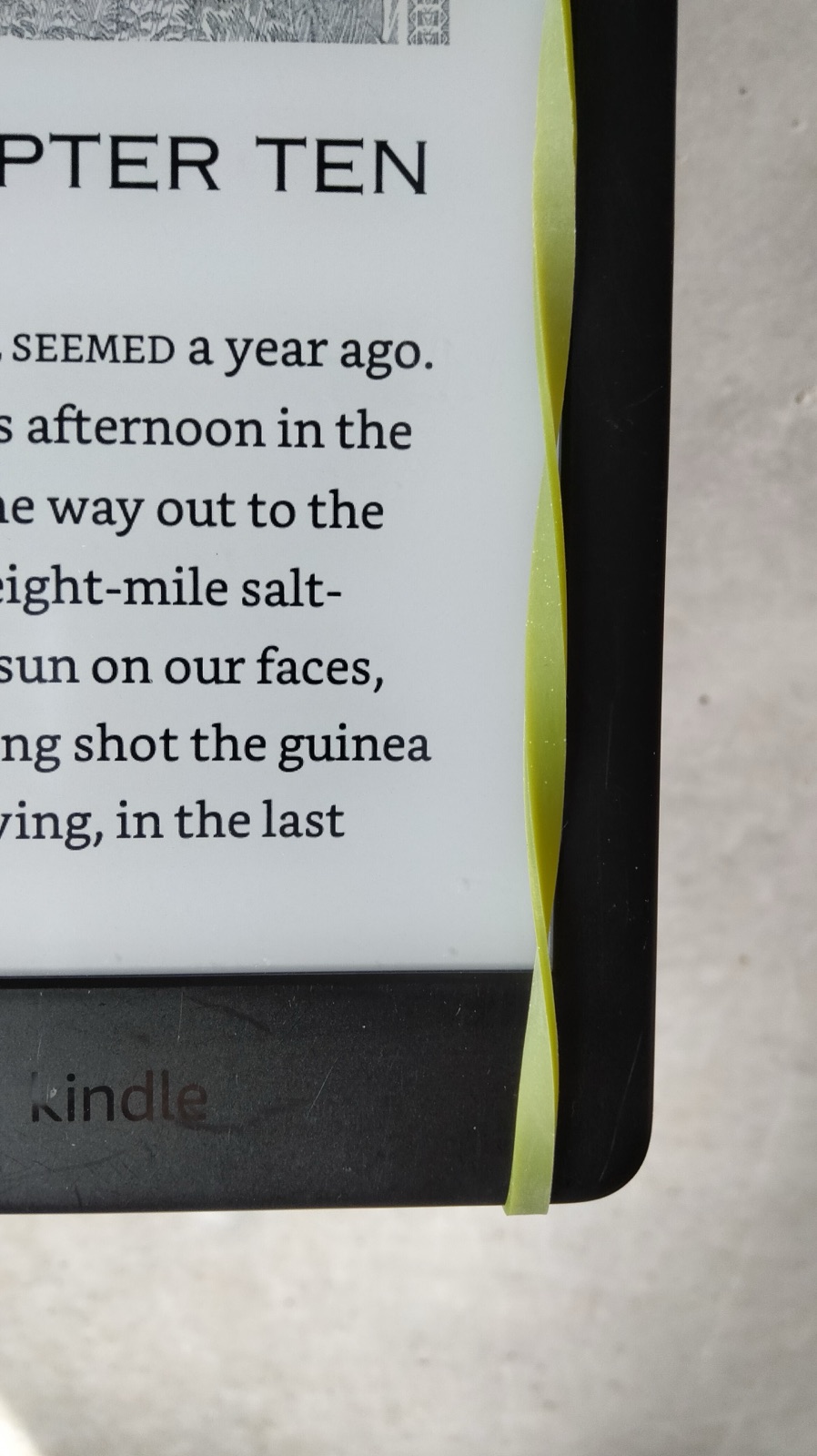
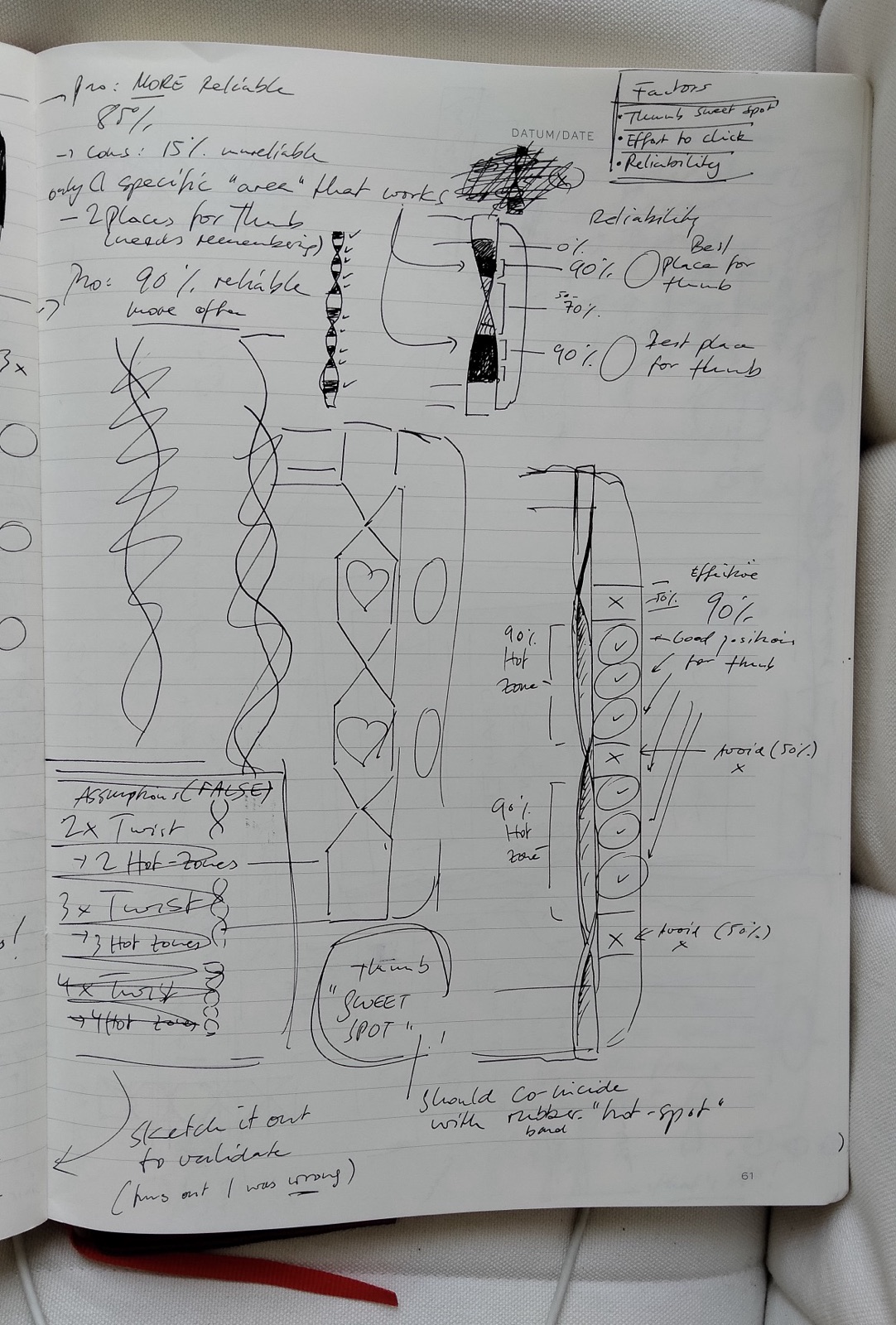
TLDR; After getting frustrated, angry even, with how awkward and unreliable the “touch-screen-to-flipt-to-next-page” on the Kindle Classic is, I experimented with different ways to emulate a physical ‘next-page’ button akin to those found on more expensive devices like the Kindle Oasis. My ideal solution turned out to be a simple, twisted rubber band.
The solution is much simpler and less complex (a fucking twisted rubber band!?) than I had expected – “Less But Better”
What seems obvious and laughable now I was only able to discover through the process of iteration, experimentation and elimination
🔥 The problem I’m solving for
The issue is that paging next with the regular Kindle is really, really AWKWARD and UNRELIABLE
Turning/flipping to the next page BREAKS MY READING FLOW because…
I have to LIFT my thumb from its resting position 😒
I have to MOVE my thumb above the screen 😞
I have to PRESS my thumb HARD onto the screen 😔
Then ONLY HALF (50%) of presses don’t register 🔥🤬🔥
So half the time I have to press again (WTF?) 🔥🔥🔥🔥🤬🔥🔥🔥🔥
I have to LIFT my thumb again 😔
I have to MOVE my thumb back to its resting position 😞
What I want
I just want effortless and reliable page turns with my current Kindle
Looking at the much higher-priced model, like the Oasis, there are physical buttons for navigation to the next and previous page but that costs north of 250€. 250€ for effortless page turns? 🤨
My ideal solution
Ideally my current Kindle had ONE button for NEXT PAGE 🙂
Ideally that button was located where my thumb naturally RESTS 😍
Ideally that button took practically NO EFFORT to press 🤩
Ideally that button was RELIABLE to trigger the page turn more than 80% of the time 😍
My current minimum viable solution
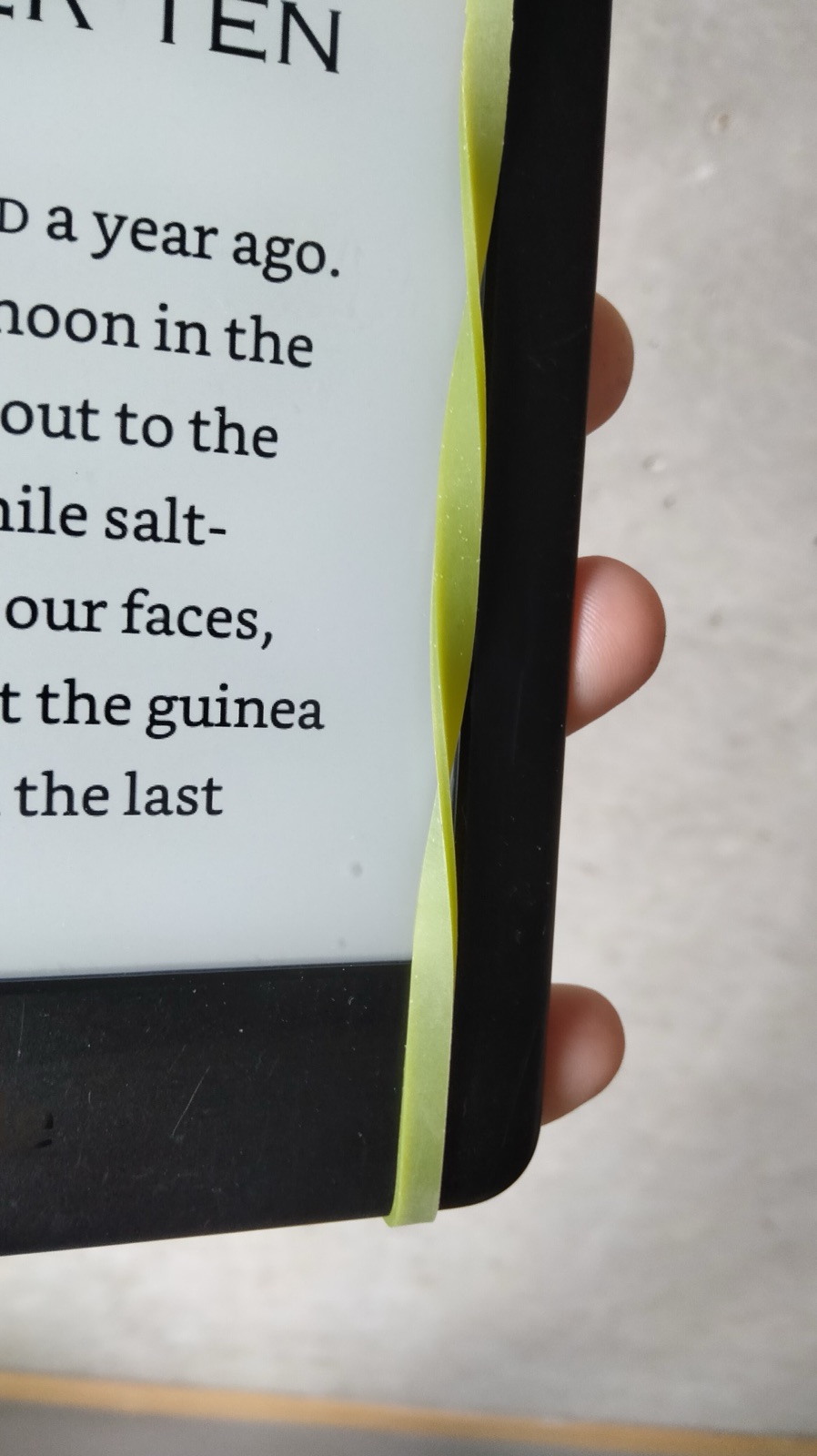
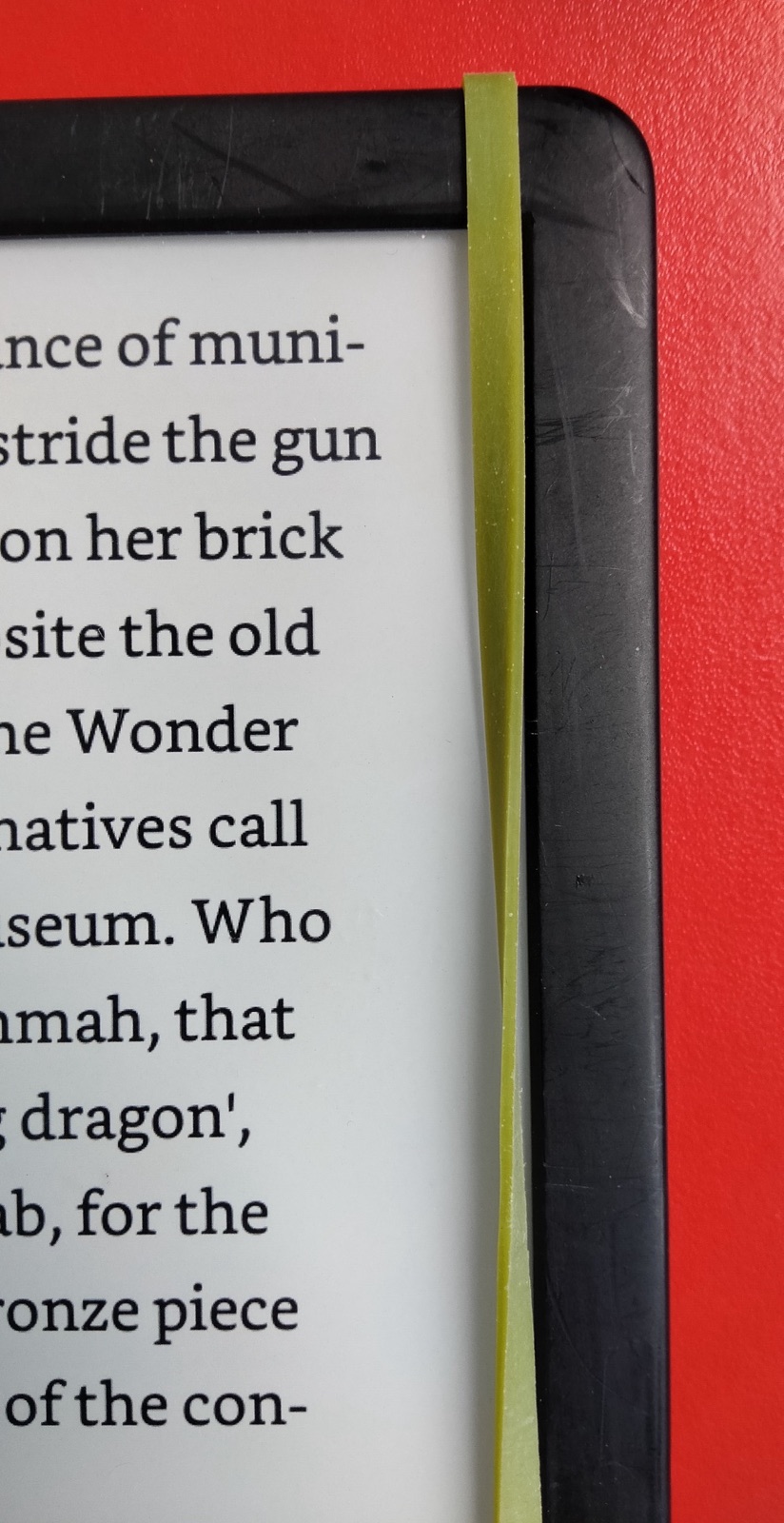
A simple rubber band (4mm width)
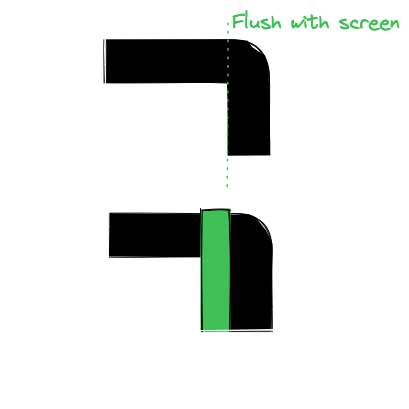
Placed perfectly flush to the outer border of screen
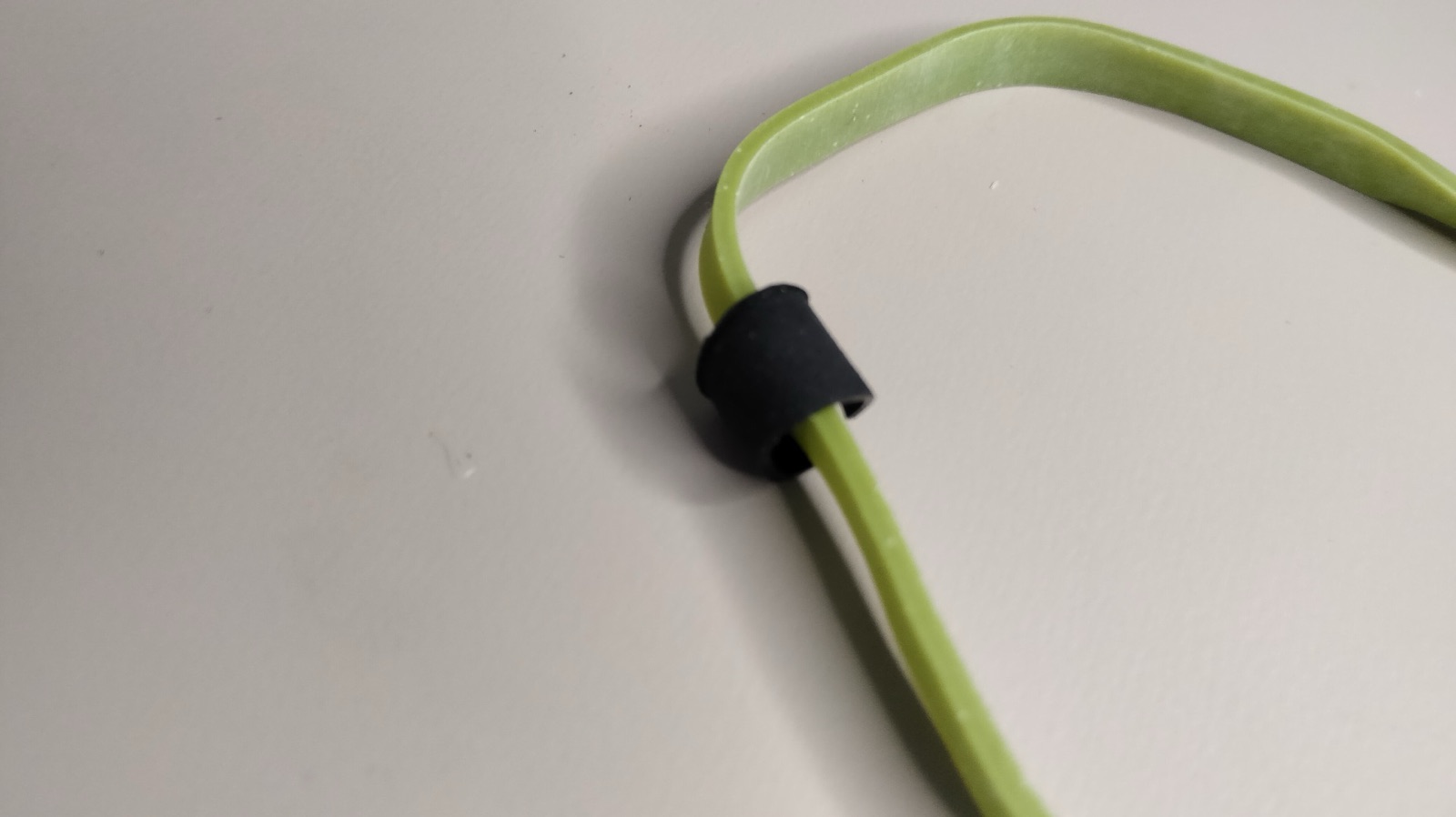
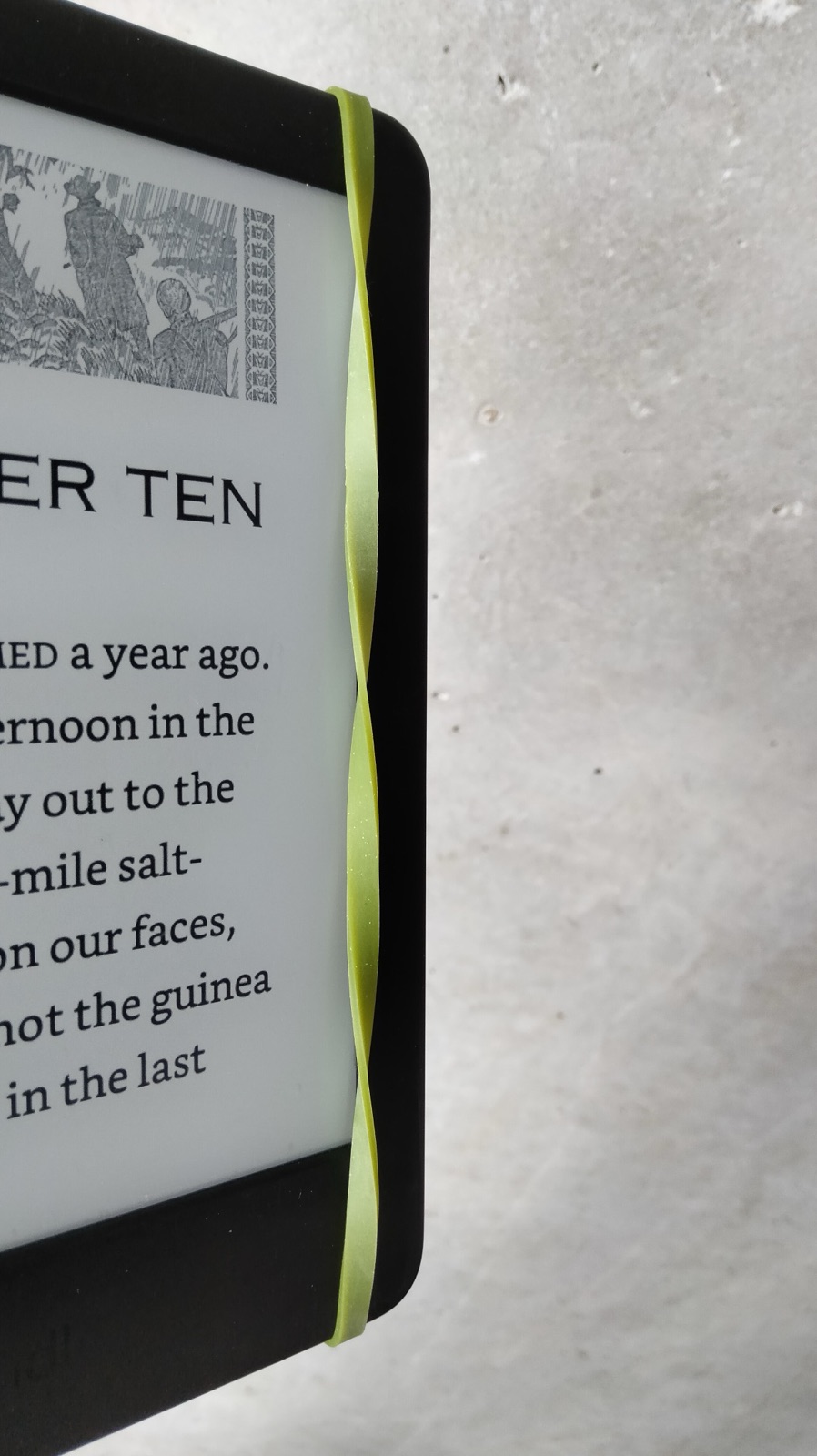
With an intentional TWIST
Features
Thumb can rest
Motion to trigger page turn is effortless
Only 2mm horizontal motion
No vertical motion required
The twist in the band is more reliable
90% of presses are registered
The twist in the band makes it ‘clicky’, more tangible
Experiments – How I got here (The long story)
Resources
My Kindle as the “test-bed”
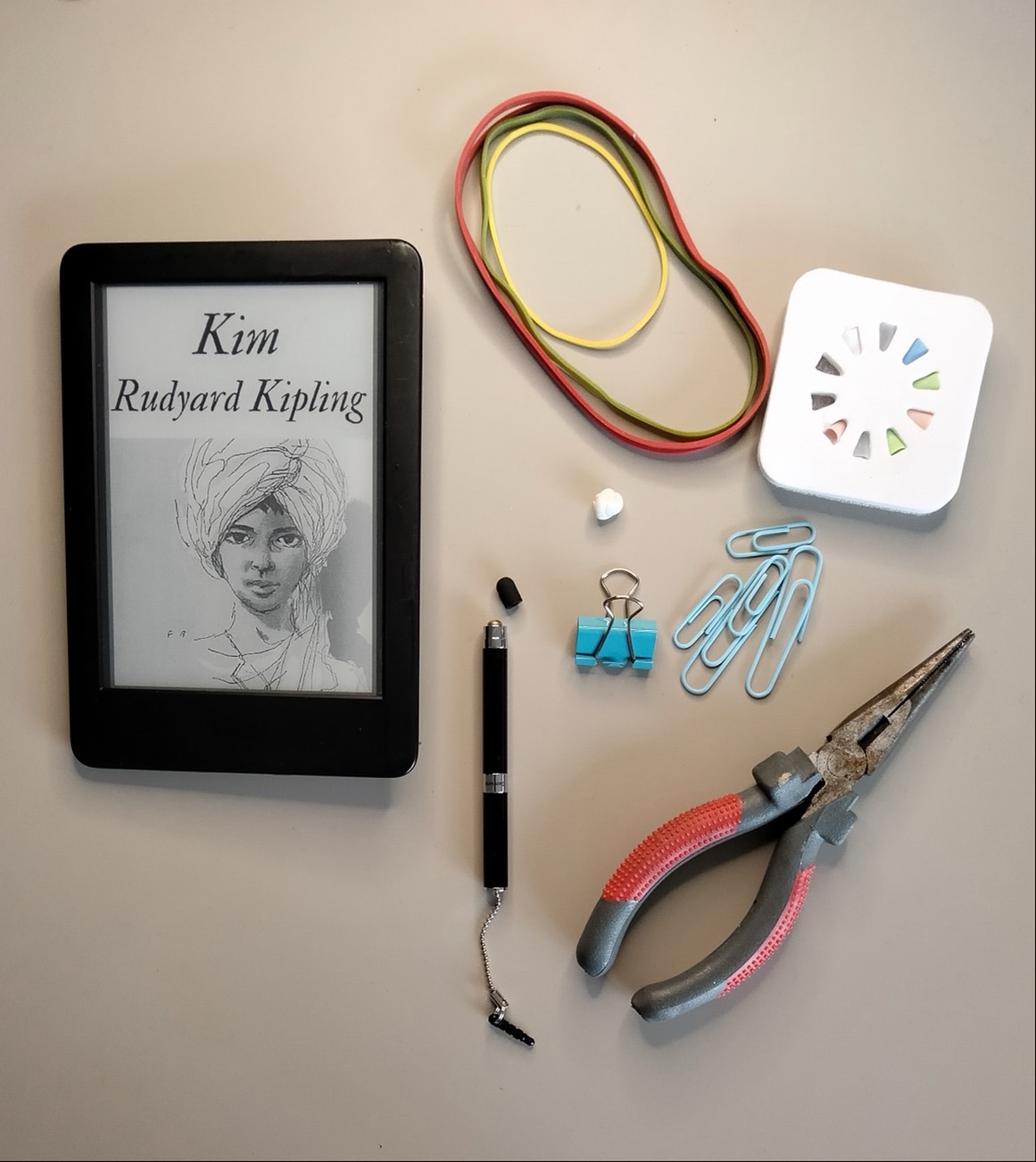
A collection of materials that seemed reasonable to use
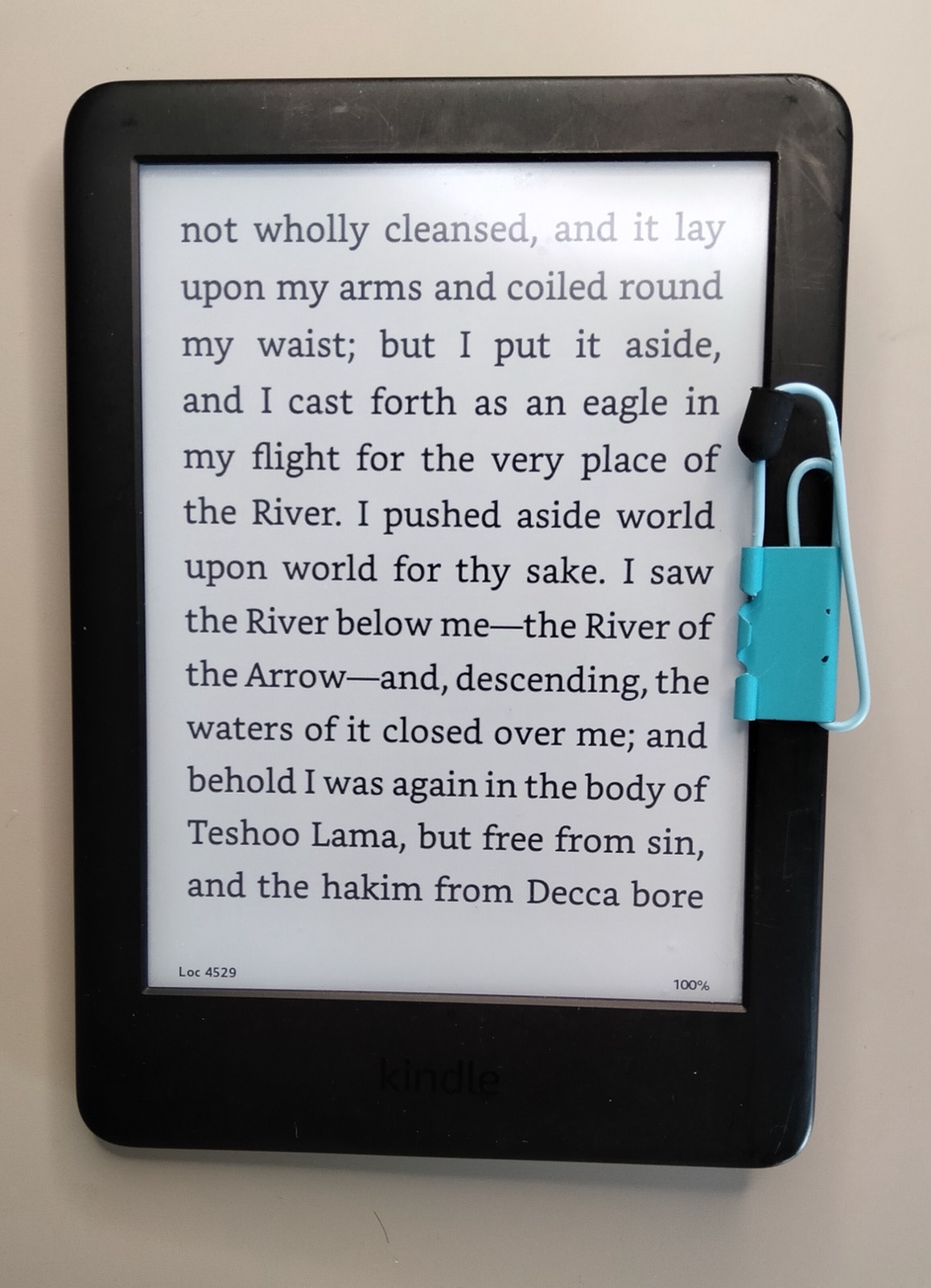
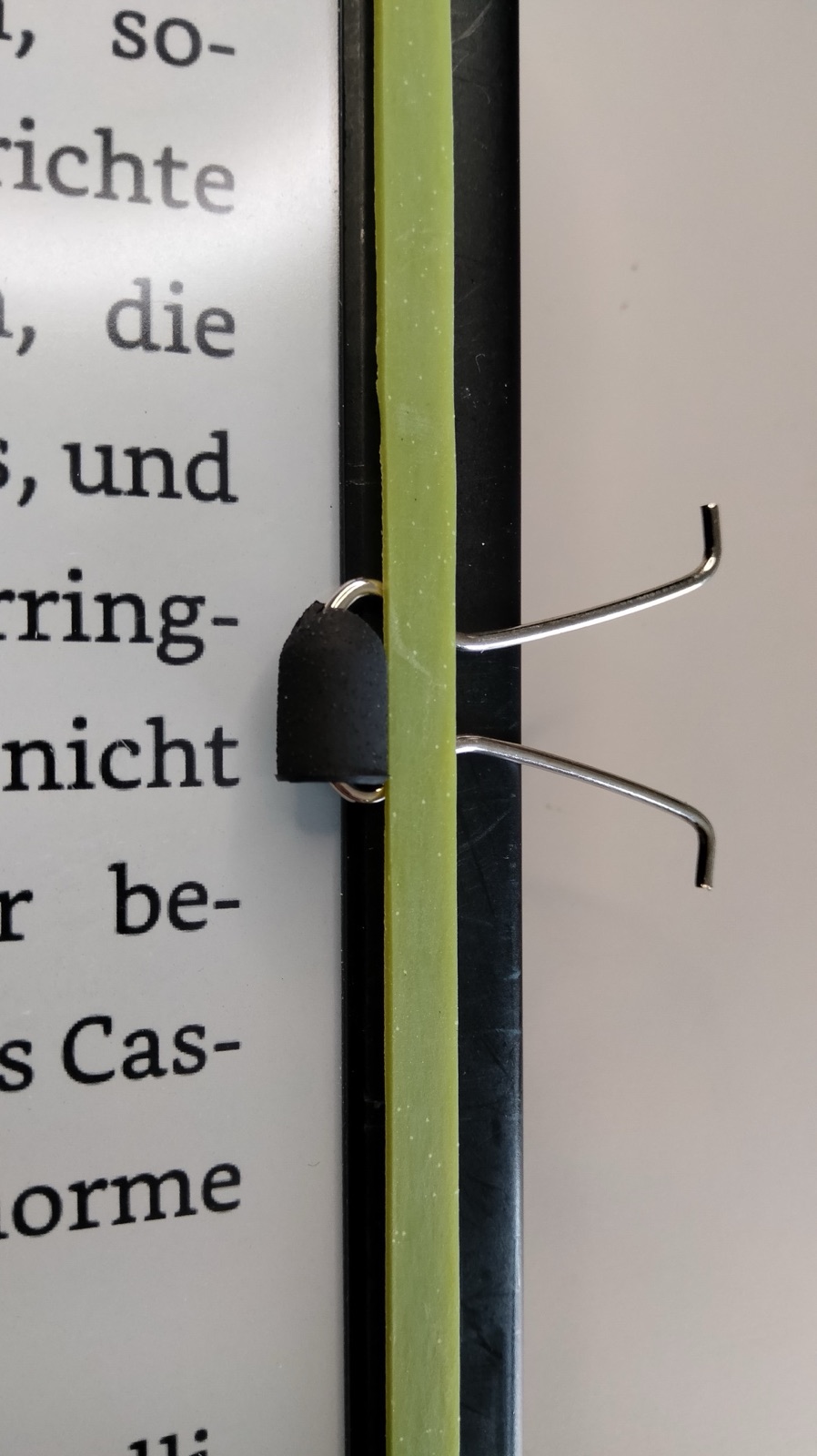
Iteration 1 – Using a clamp, paperclip and capacitative rubber nib
Riskiest Assumption
Having a button device thingy makes the reading experience BETTER by increasing flow by decreasing friction while turning pages
Learnings
No material except the rubber tip of the “tablet pen” triggered page-flip efficiently
Overall using the nib as shown above, this worked really welle
This worked far better than it looks
The tension on the paperclip wire even made a clicking sound when pressed (Nice)
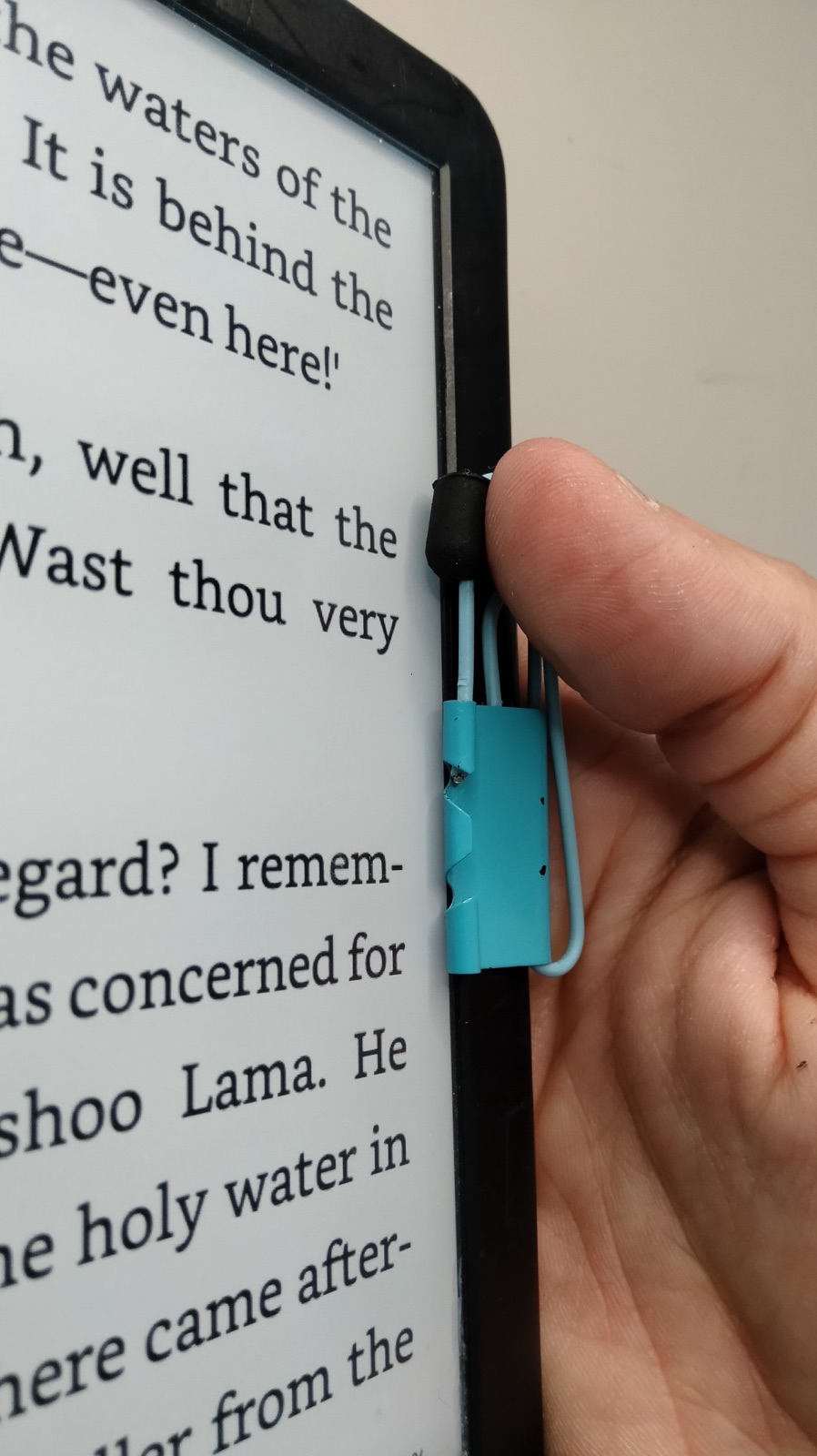
Being able to REST my thumb is crucial to entering a state of reading flow
Minimizing the EFFORT to turn the page is also crucial to entering a state of reading flow
Result
I read a whole evening with it and enjoyed it
Definitely BETTER THAN WITHOUT
Less effort/friction during page-flips
Increased reading flow
Questions
Q: What kind of rubber are on those pen tips?
A: “Conductive elastomer”[^1]
Decision
Persevere/Keep with the overall “pageturner” idea
Pivot/Change on attachment and mechanics
Idea 2 – Using a rubber band for attaching the capacitative nib
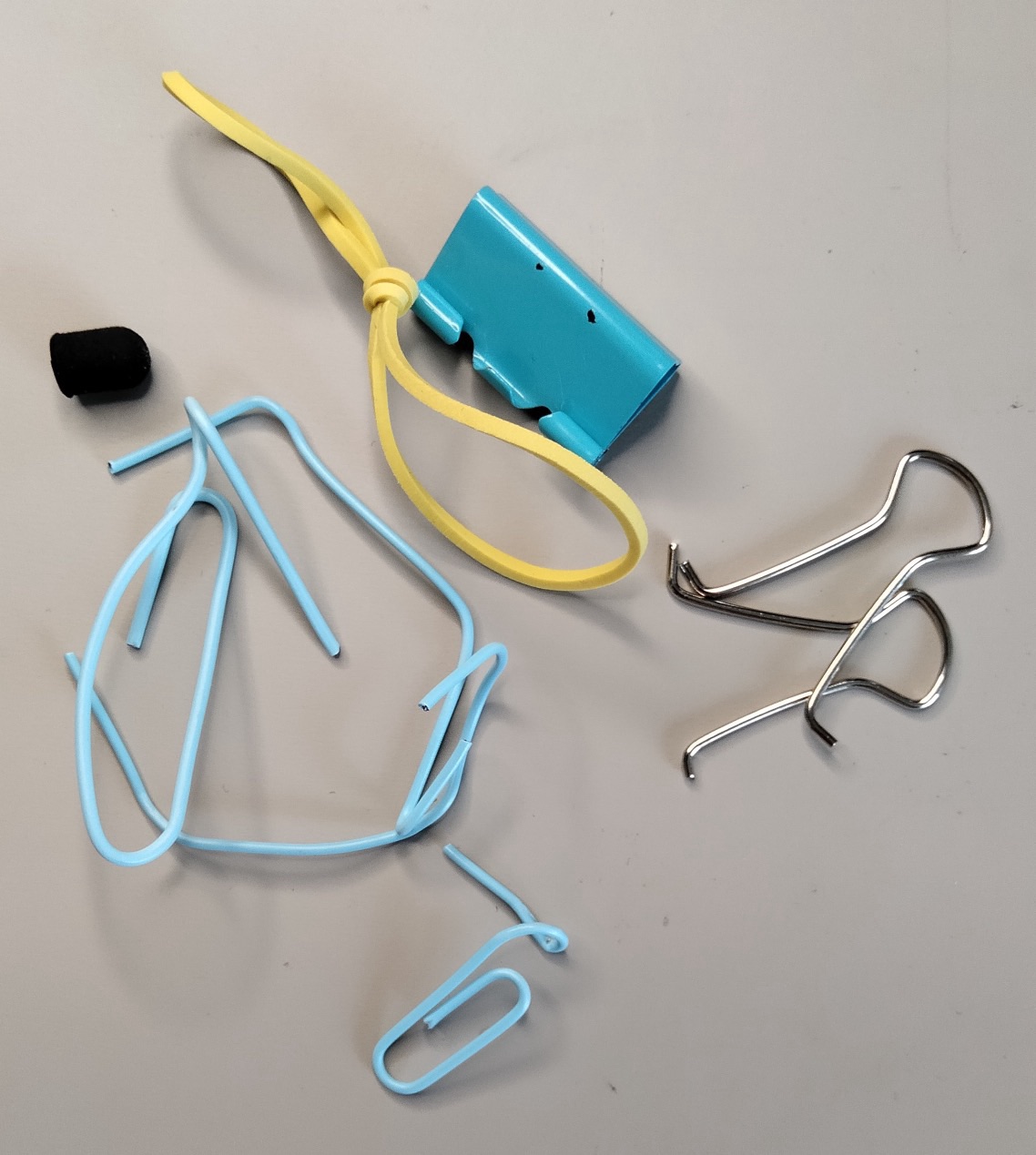
Couldn’t find a good way to attach the cut-up nib to the rubber band
Overall, this approach further reduced the effort to press
Learnings, Result, Questions, and Decision
Rubber band much easier to attach
Doesn’t SCRATCH the surface
Even less effort to turn page
What if the capacitative nib isn’t even needed?
Perservere/Keep rubber band
Pivot/Change trigger nib
Iteration 3 – Using the rubber band straight-up without extra nib
Riskiest Assumption
Using the rubber band directly has enough effective capacity to trigger page-flips
Method
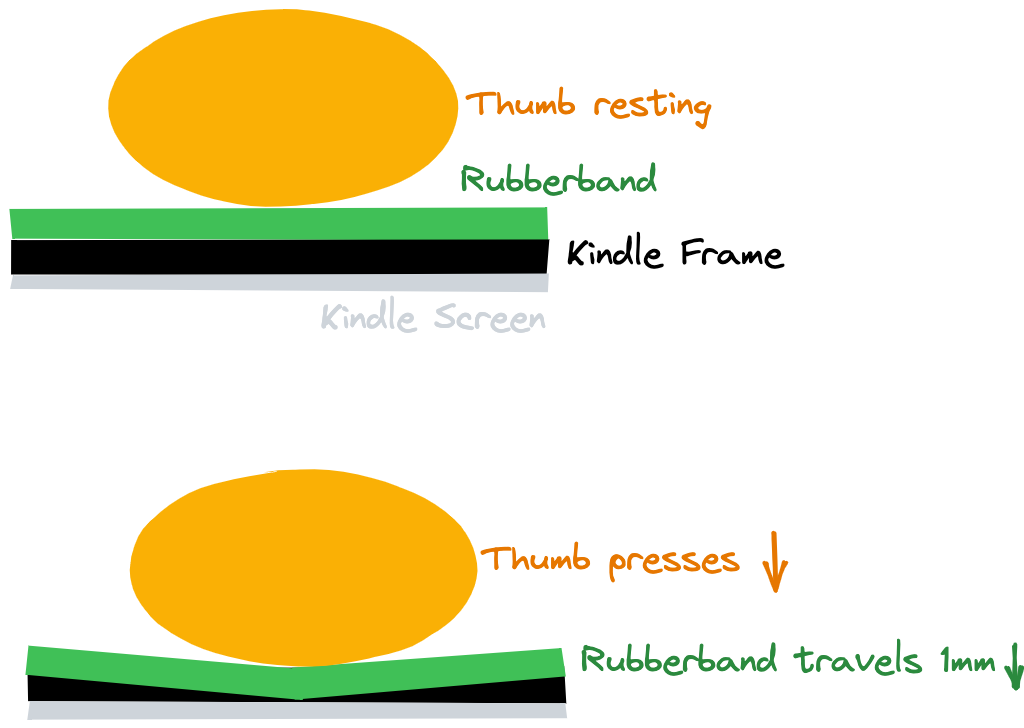
Learnings
When stretched along the device, there is the perfect gap between rubber and screen
It’s slightly harder to rest thumb because it’s right above the screen (To avoid accidental flips)
Result
Regular rubber CAN effectively trigger page-flip (at 70% reliability)
Decision
Persevere/Keep: Single rubber band
Pivot/Change: Improve trigger efficiency towards 80-100%
Iteration 4 – Adding a TWIST for efficiency
Riskiest Assumption
Adding a TWIST to the rubber band increases the RELIABILITY
Method
Add the TWIST and sample 20+ page turns in a realistic setting
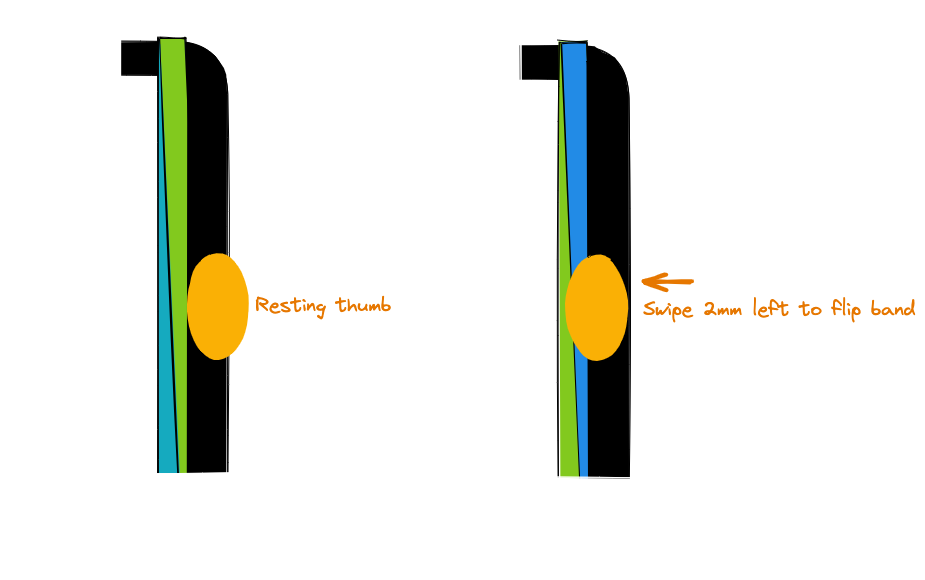
Result
85% Efficiency – 17/20 presses triggered a page-turn
Decision
Persevere/Keep: Twist
Pivot/Change: Increase efficiency/reliability further
Learnings
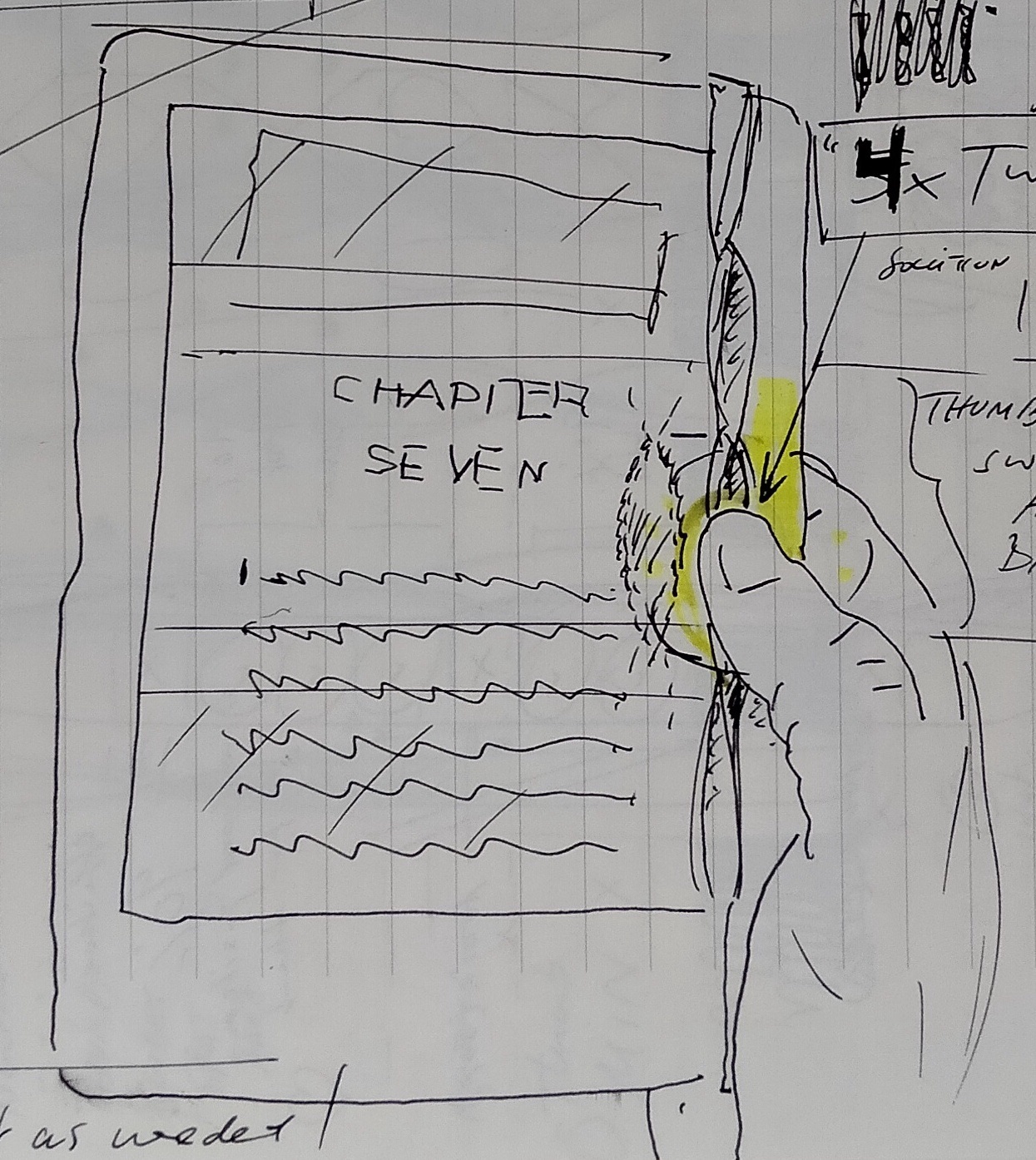
This allows to rest the thumb on the side while needing minimal effort to “toggle” the TWIST
Toggling the TWIST creates a pleasing haptic ‘clicking’ sensation similar to a button
The thumb-motion is not a top-down press anymore but a left-right swipe (Takes some time to get used to)
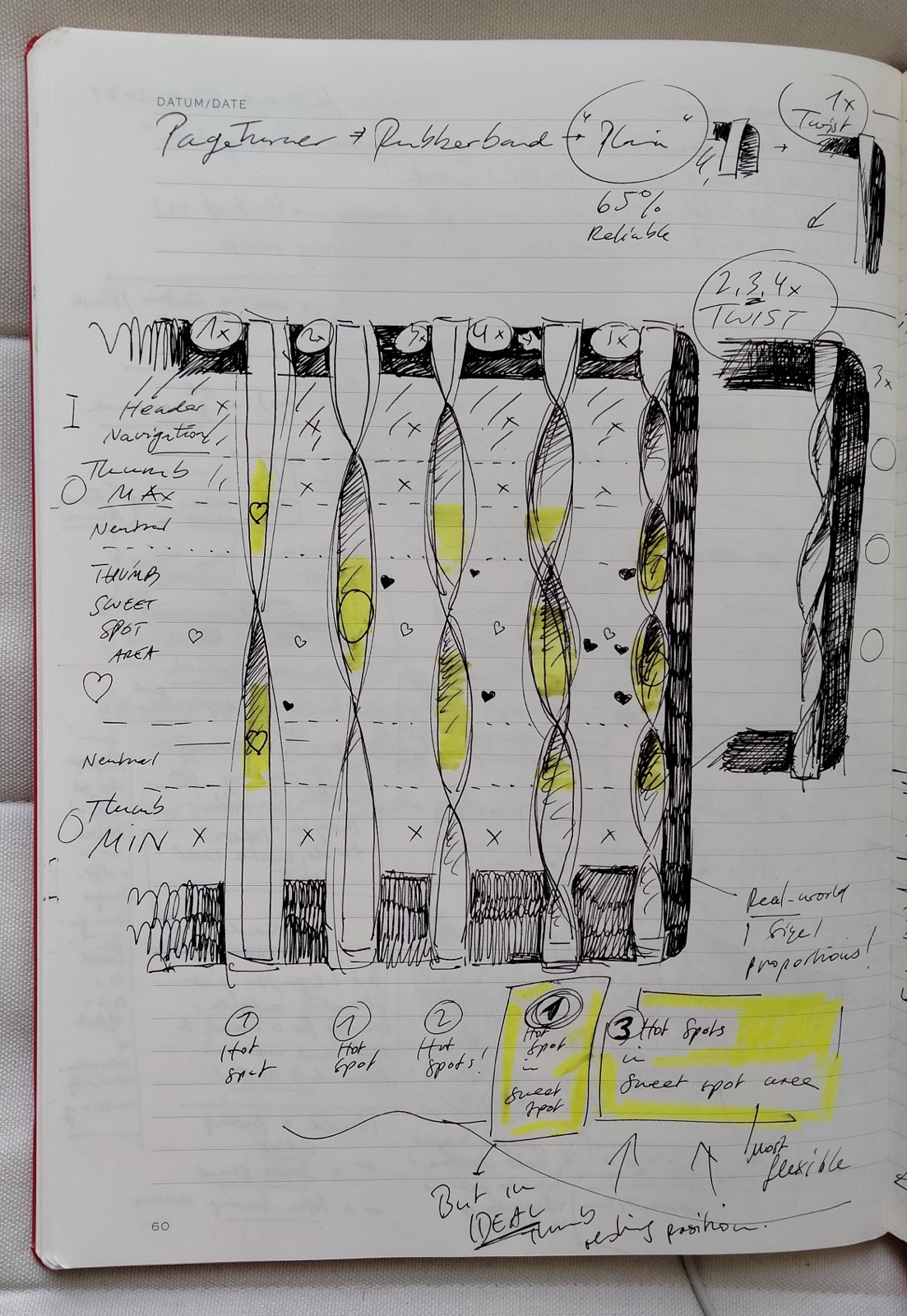
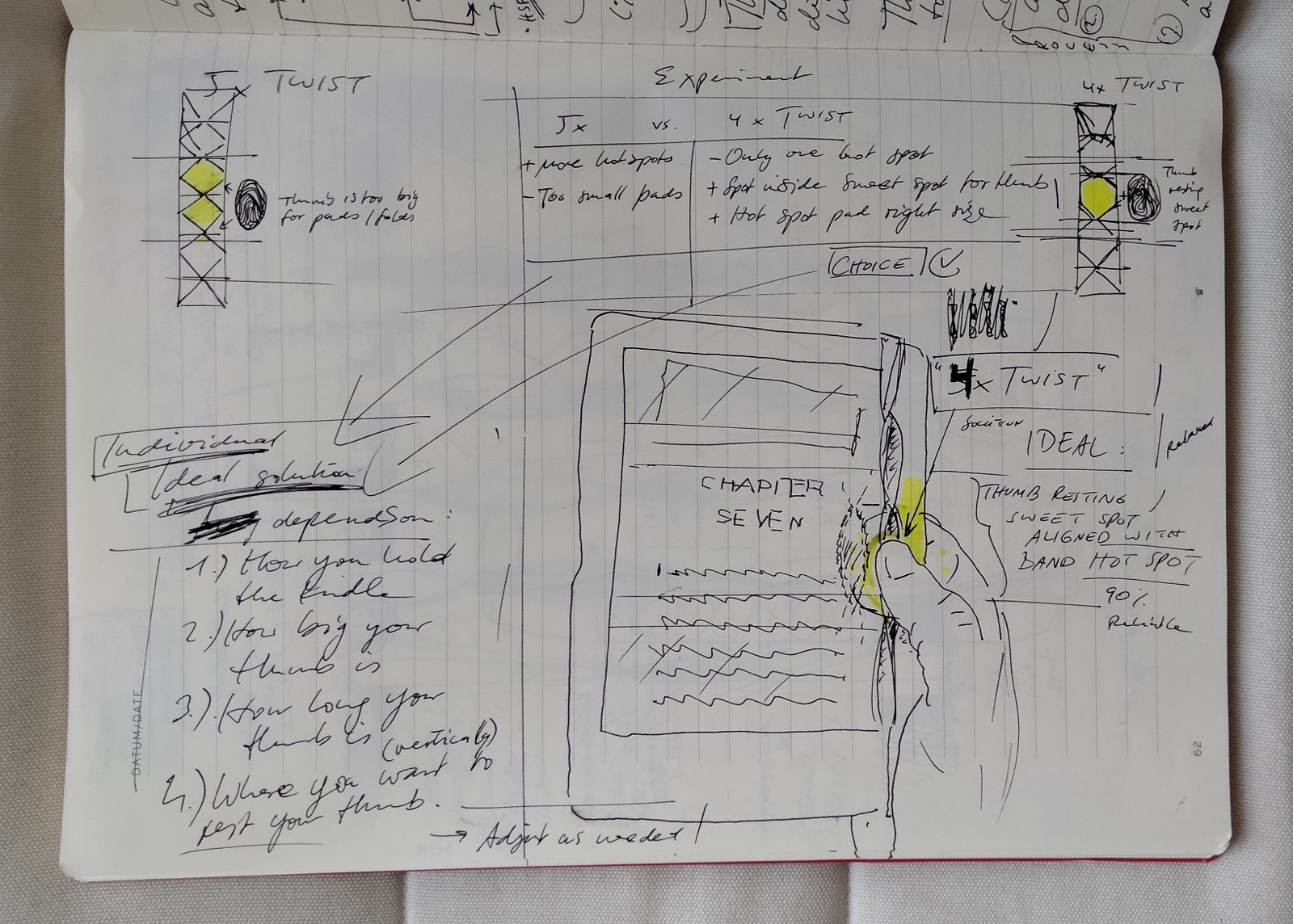
Iteration 5 – Experimenting with different TWISTS (1,2,3,4,5)
Riskiest Assumption
There is a way to twist the rubber band that increases RELIABILITY to 90% and improves on handling
Method
Try different levels of twist and see if that creates a better “UI” for my thumb
Learnings
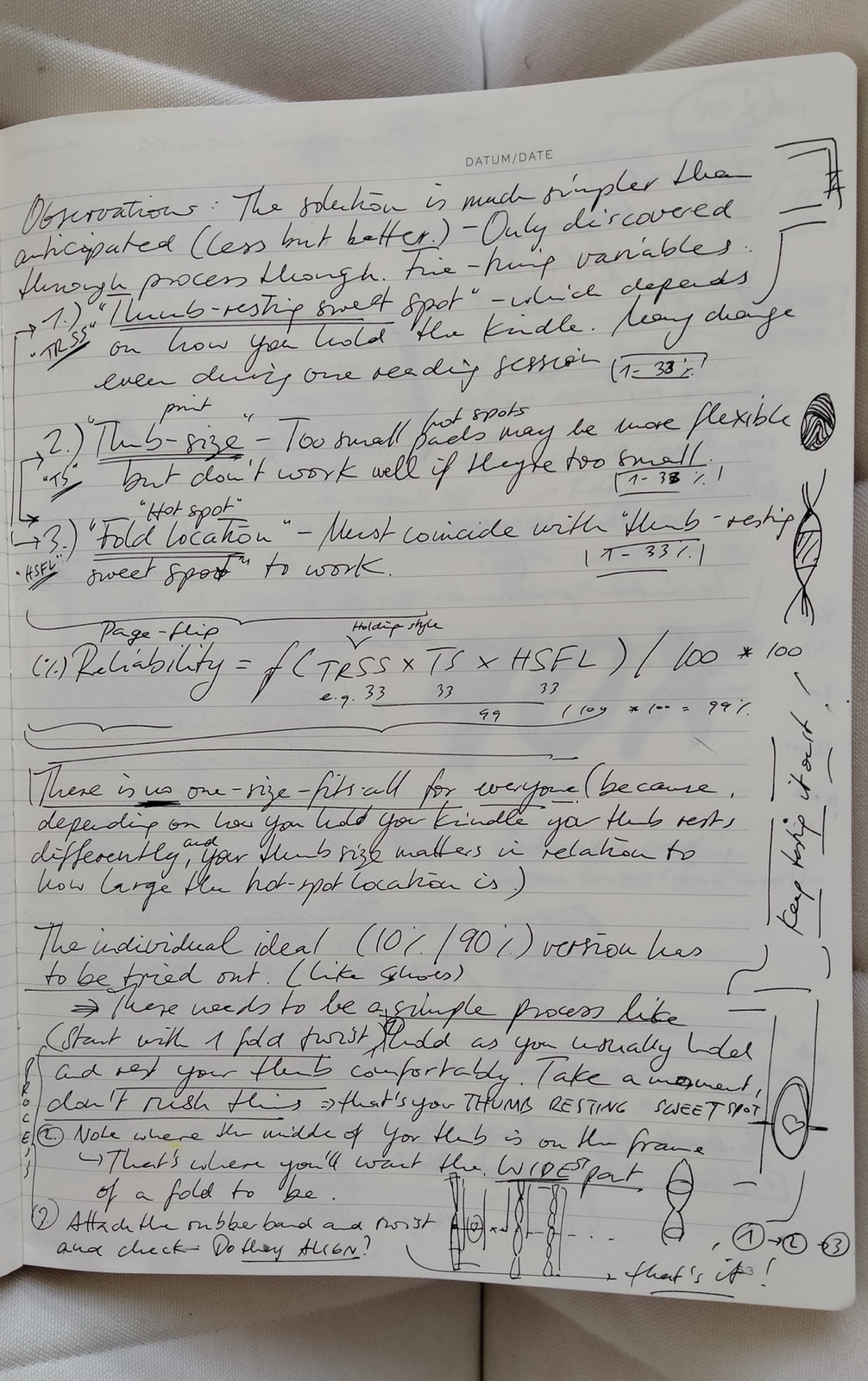
Three Distinct Variables Affect Reliability
Playing with the different twists helped me realize that there are really 3 important variables that, taken together, effect how effortless and reliable the page is turned.
When these three variables are in harmony so to speak, I’ve achieved 90+% reliablity of page turn registered while reading today
They’re all very personal and depend on how you like to hold your Kindle, how big your hands are and how small the individual “twist-segments” are on the band.
Hence, there is no one-size-fits-all version of twists that work for everyone.
This is where you place your thumb most of the time and relax it inbetween page turns. In terms of importance, to me, everything else in terms of usability derives from this. In my case, it’s in the upper-half of the lowest third of the sidebar because of how I hold the Kindle.
This of course heavily depends on your individual thumb. Its size is in direct relation to how many twists your band can have. Once there are too many twists (max 5 for me), the segments become too small.
Variable 3: “Twist Segment Hot Spot Size” (25%)
This is how much vertical space each twist segment provides to register the touch/swipe motion. With each twist, the segments get smaller. For me 5 twists were the maximum. I learned that only the the flat middle-part works reliably when pressed.
Result
I have achieved 90+% RELIABLE PAGE TURNS once I harmonized my personal…
“Thumb Resting Sweet Spot” -> Upper half of the bottom third
“Thumb Size” -> Small
“Twist Segment Hot Spot Size” -> 4 Twists, 3 Segments at ~4cm each
Decision
Persevere/Keep: 4 Twists
Pivot/Change: Nothing, keep things as-is. I think this venture-hack has reached more than 90% reliability.
I’m 100% convinced that light therapy works wonders for me
Winter in Berlin is here ❄️
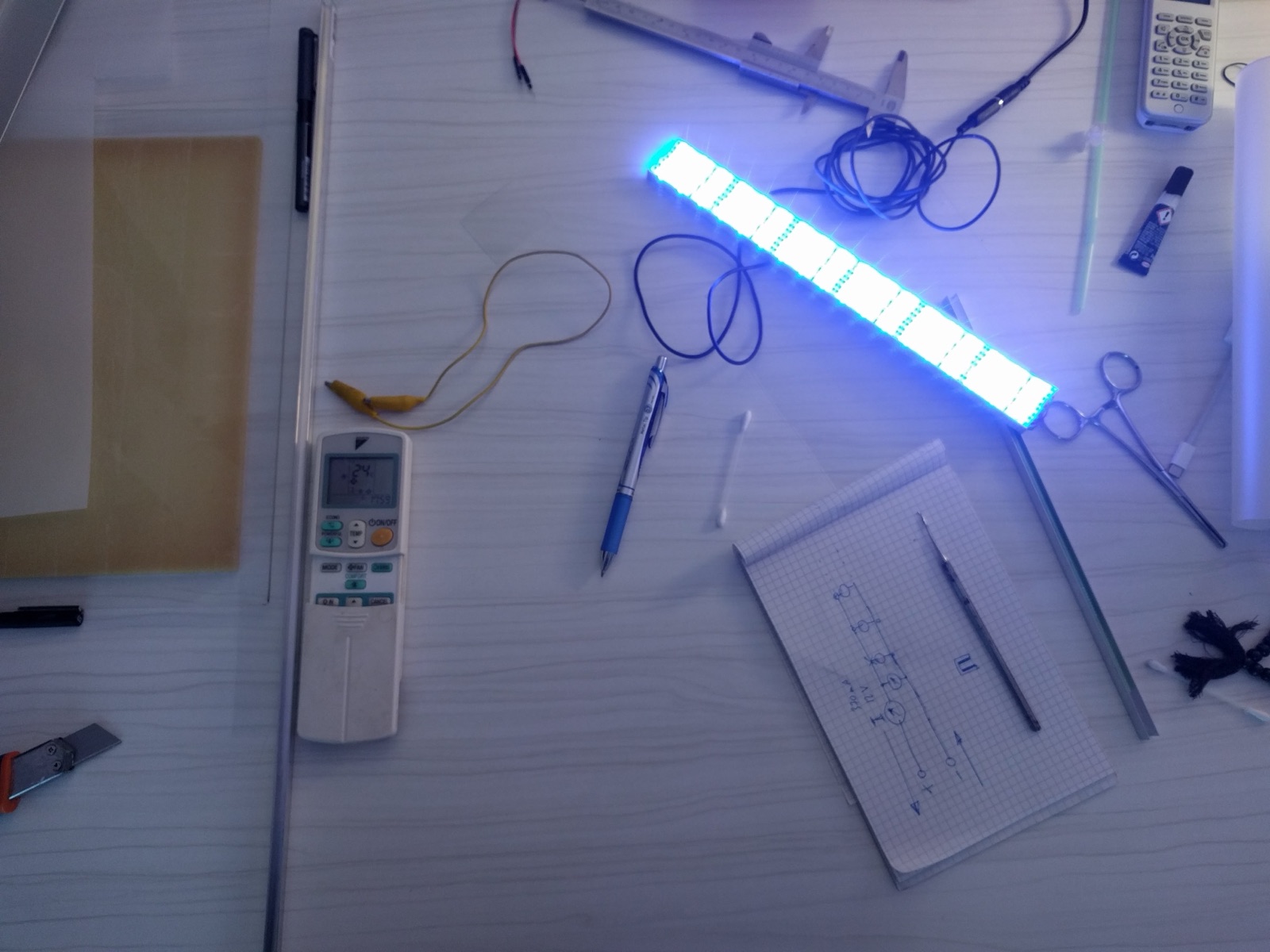
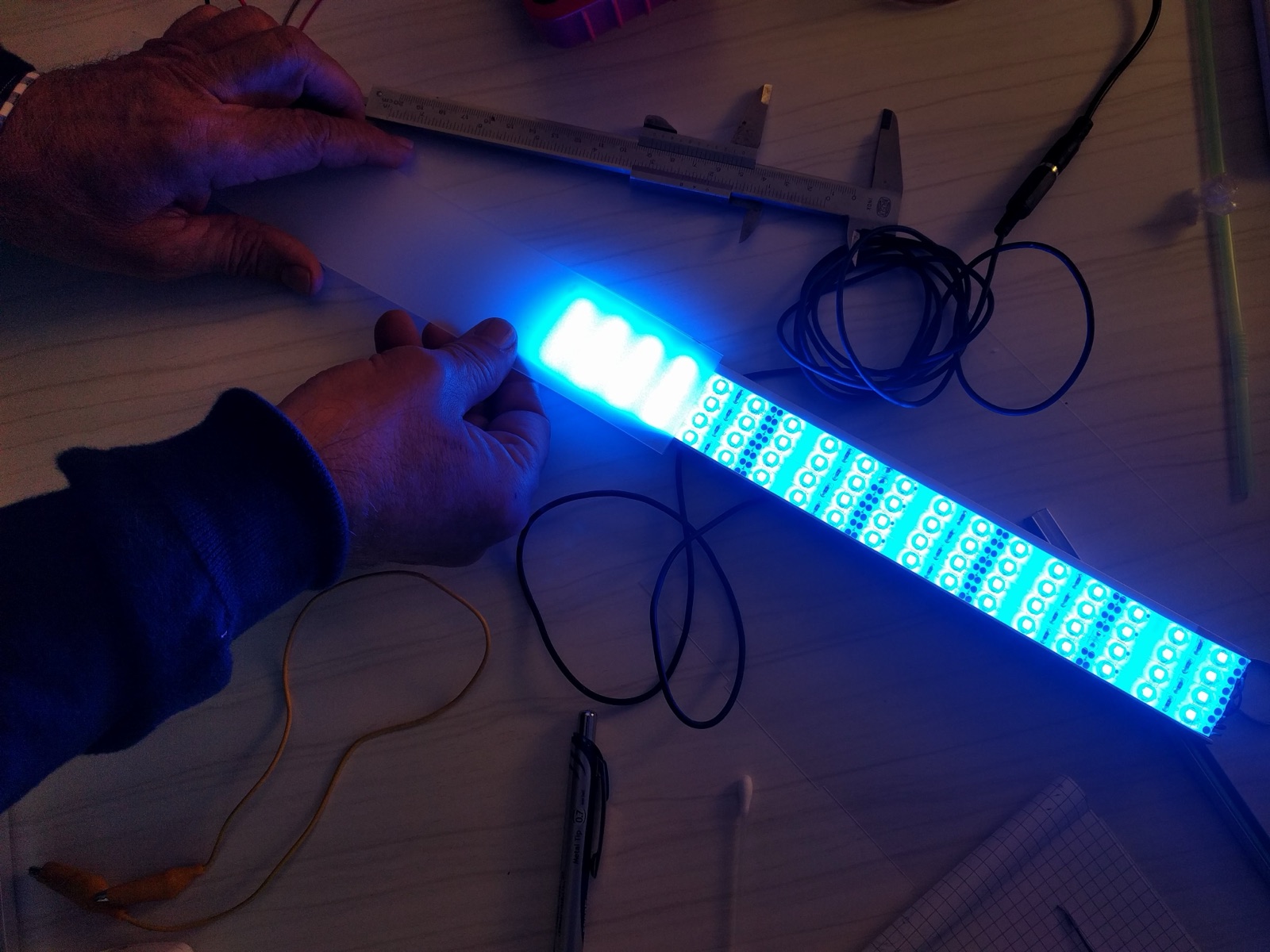
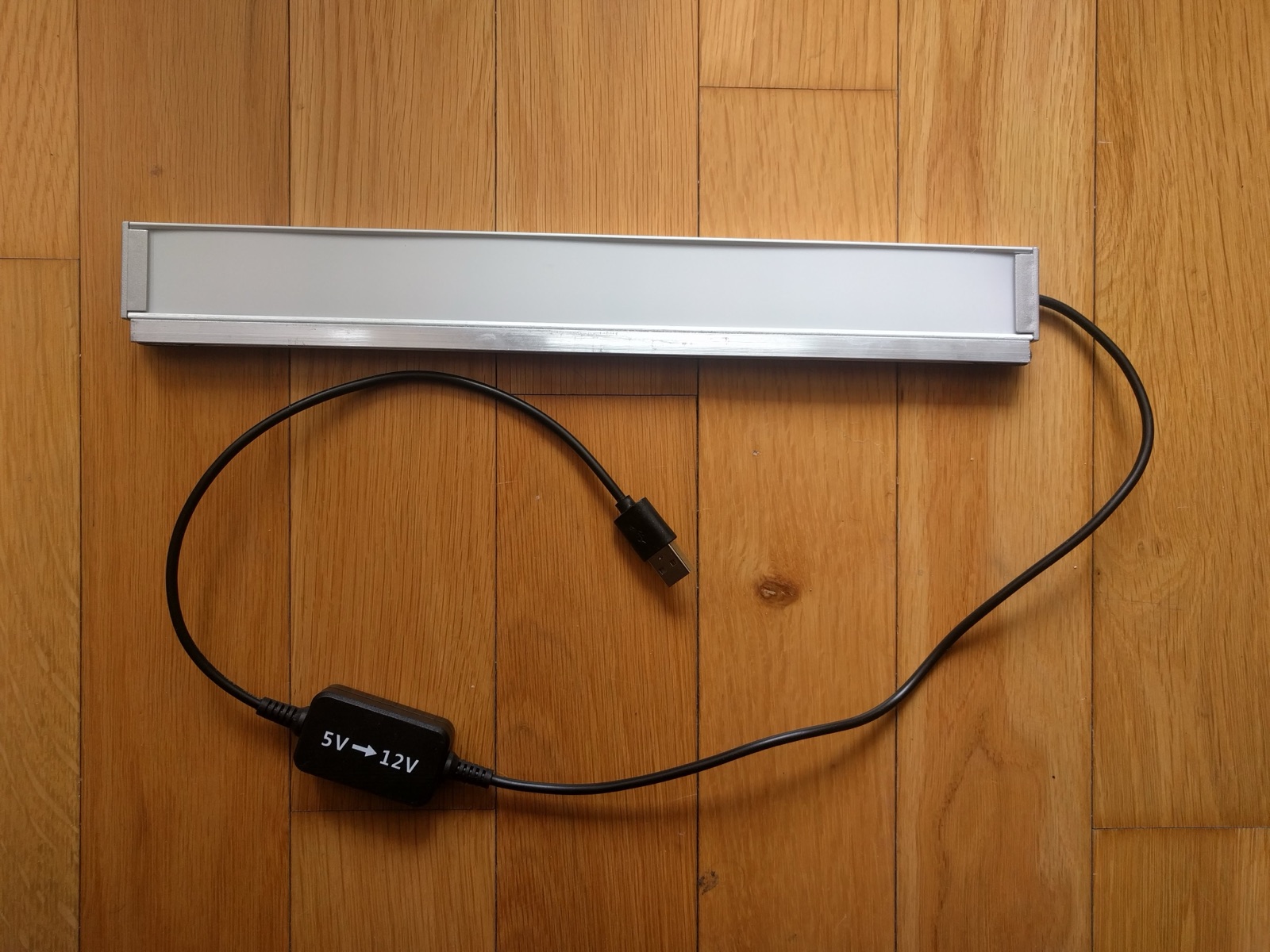
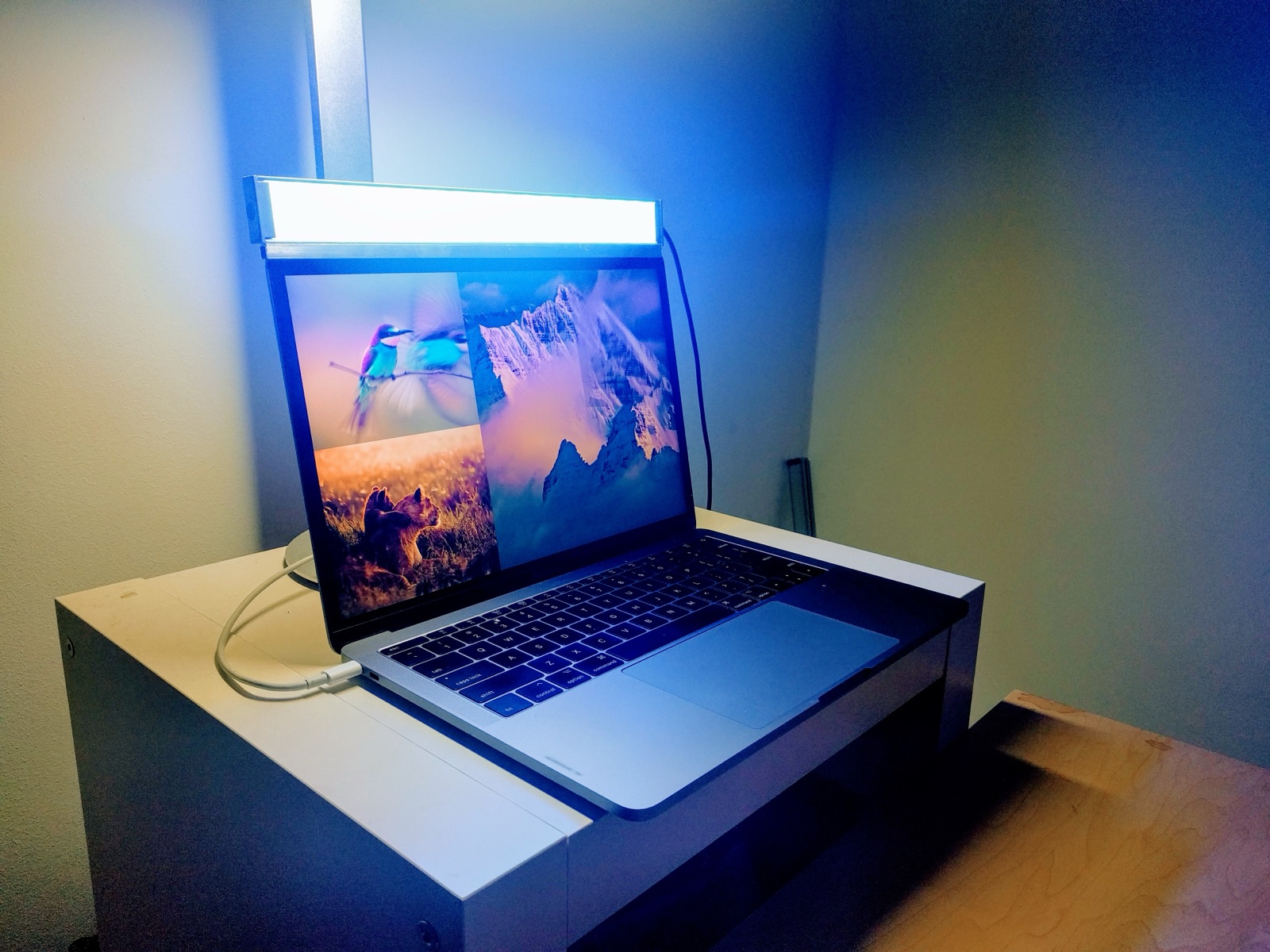
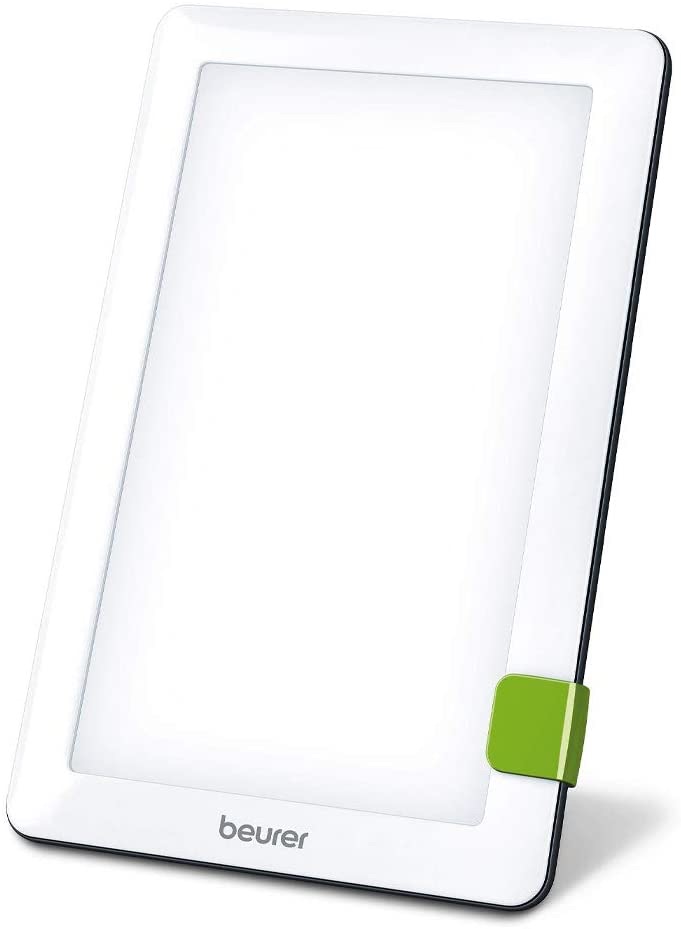
I recently bought a new lamp (Beurer TL 30) with what seemed a better overall form-factor
Hoping that the new design would make it easier to sit still, have the lamp 10cm close by my face for 20 minutes
The lamp
The new design disappointed
After only 3 uses it was clear to me that this new device is NOT based on any real user research:
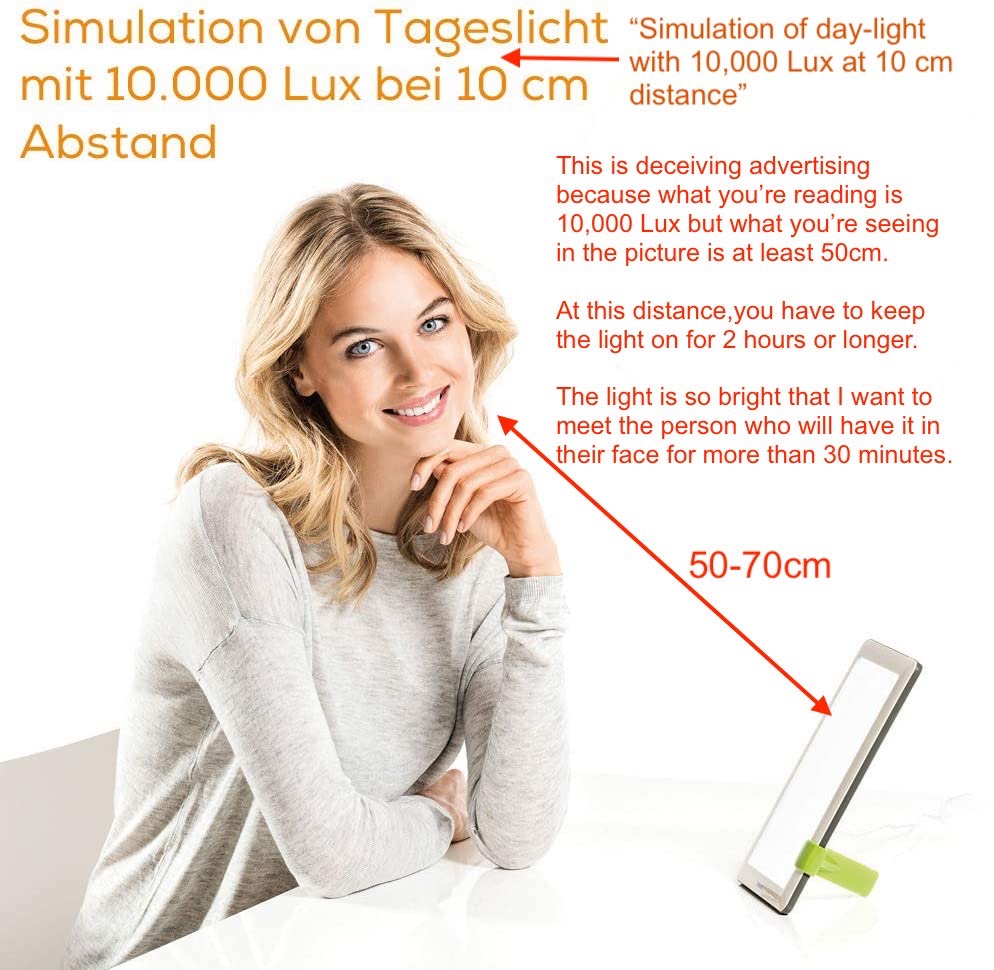
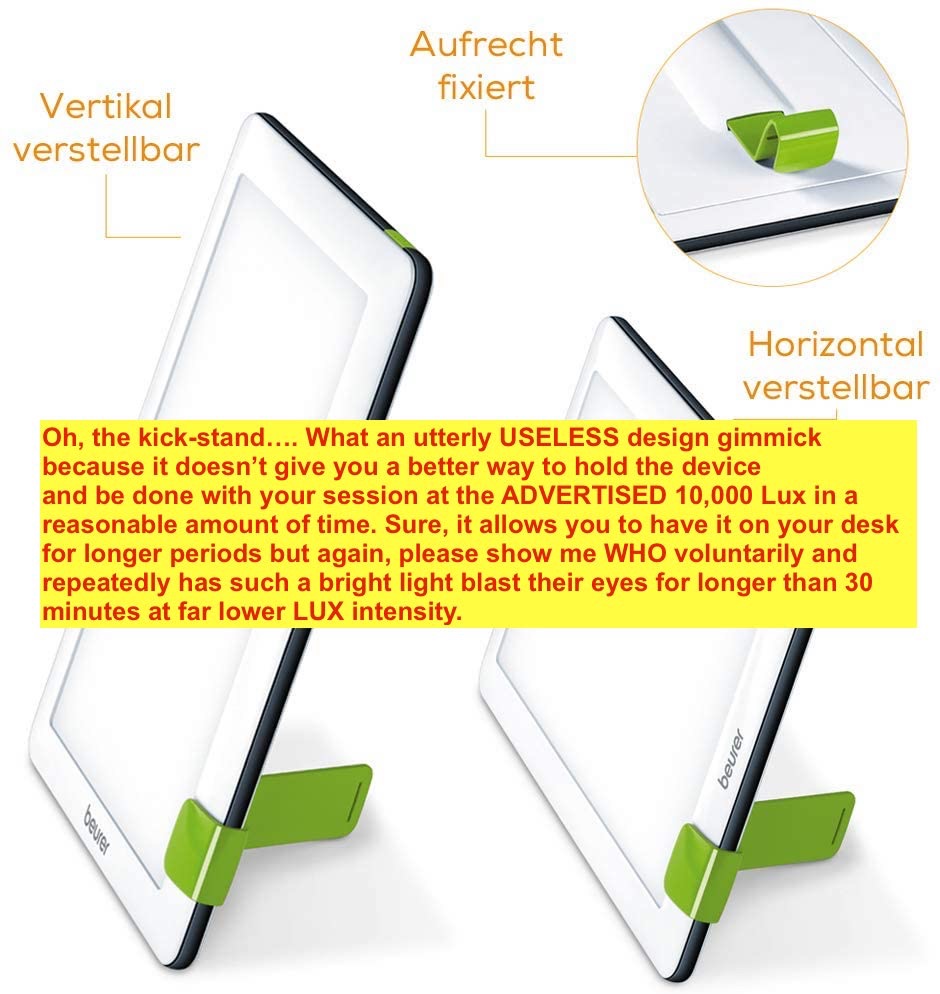
The new form-factor has NOT, at all, addressed the core design-issues that come up if you actually want to use it for 20 minutes at 10-20cm distance for the advertised 10,000 LUX
The green kick-stand is utterly useless if you actually want to use it for 20 minutes at 10-20cm distance for the advertised 10,000 LUX
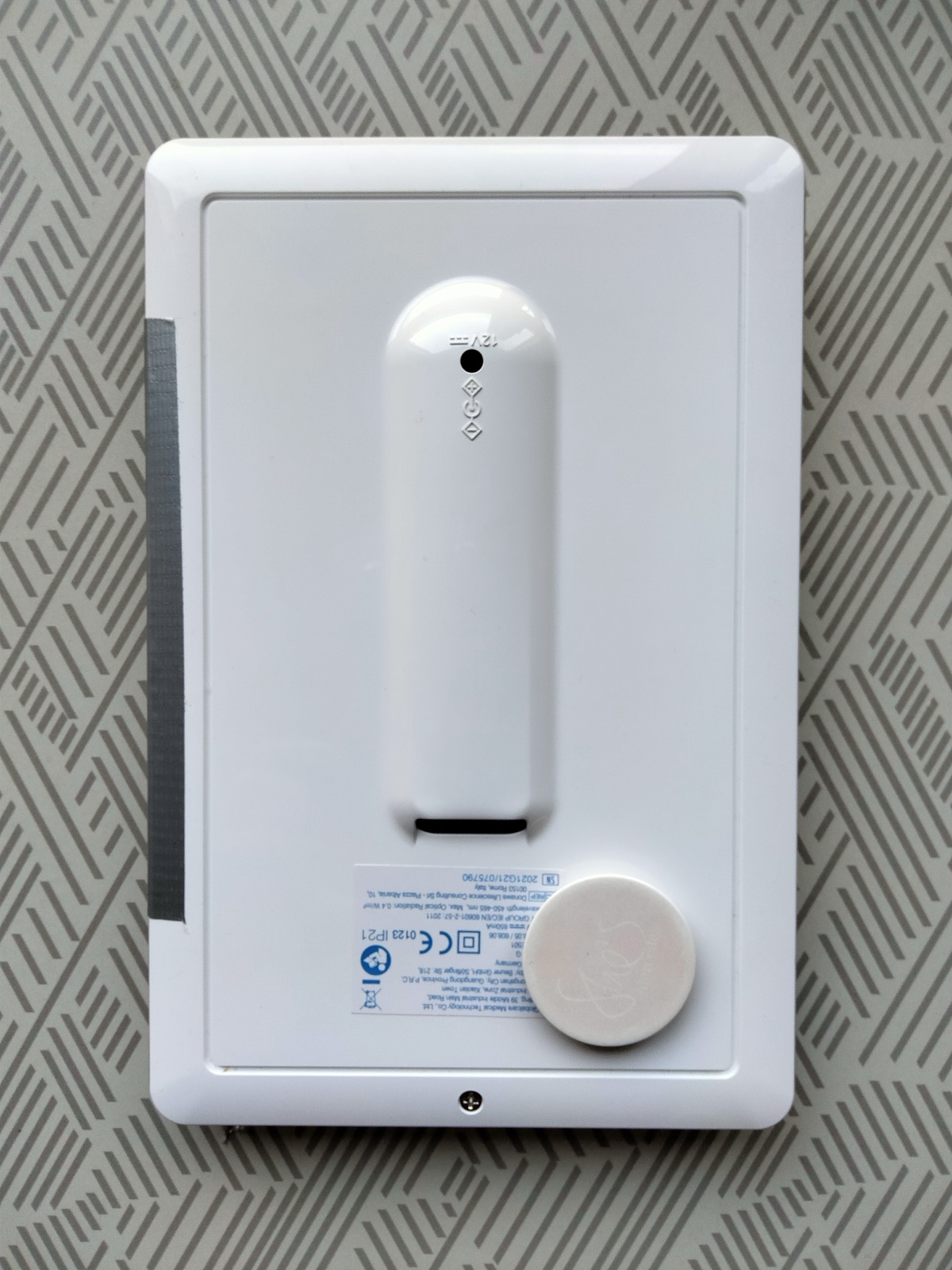
The extra buldge on the backside to slide in the kick-stand is utterly annoying if you actually want to use it for 20 minutes at 10-20cm distance for the advertised 10,000 LUX
Holding the light with your hands close to your face for 20 minutes is also STILL utterly TEDIOUS if you actually want to use it for 20 minutes at 10-20cm distance for the advertised 10,000 LUX
The socket for the power-plug is also on the wrong side (the bottom) if you actually want to use it for 20 minutes at 10-20cm distance for the advertised 10,000 LUX
The cable is at least 1m too short if you actually want to use it for 20 minutes at 10-20cm distance for the advertised 10,000 LUX
In short, the new Beurer design is mostly a face-lift
The kick-stand more of an insult to actual users than an improvement
It’s a disappointment because:
I can attest to the underlying method of action
Light therapy WORKS reliably when done early in the morning
So the need for these devices is there
And the technology is finally small enough to pack 10,000 LUX in an A5-sized package
Which makes the resulting device perform even worse:
All the company (and the competitors in the market) can come up with is…
an plastic LED rectangle
with a useless kick-stand
no way to hold it comfortably close to your face to
and the power socket in the wrong place
And let’s not get into how you still need to be connected to an electrical outlet, which, in itself seems like the grandest failure, especially since the cable that comes with the device is at least 1m too short to actually be useful
It makes me wonder…
WHO THE FUCK “designs” these things and GETS PAID for it?
It’s clear that they have they never used it regulary themselves as recommended in the manual (20 minutes at 10cm distance for 10,000 Lux)
WHO THE FUCK came up with the shitty kick-stand that only works if you have it next to you while working
which in turn means you have to have the lamp on for HOURS to get the benefit
which in turn is unacceptable and such design flaw and false fucking advertising in itself
Please fir.. ahem, reassign the product owner, the product manager and designer responsible for this to “a nice quiet farm upstate” where they can no longer build things that don’t work because they clearly never took the time to talk to actual users or try it themselves for more than A HOT FUCKING MINUTE
The quest continued
So, as it’s become clear to me that the producers of what essentially amounts to a plastic box with an 450-460nm wavelength LED array and a power cable DO NOT do THEIR HOMEWORK
So I have to, again, figure it out myself
What’s the best setup and REASON to have this 10,000 LUX lamp 10cm close to your face that is bearable for about 20 minutes?
I really don’t want to have to SIT STILL for 20 minutes doing NOTHING in the morning to gain the benefits
My solution
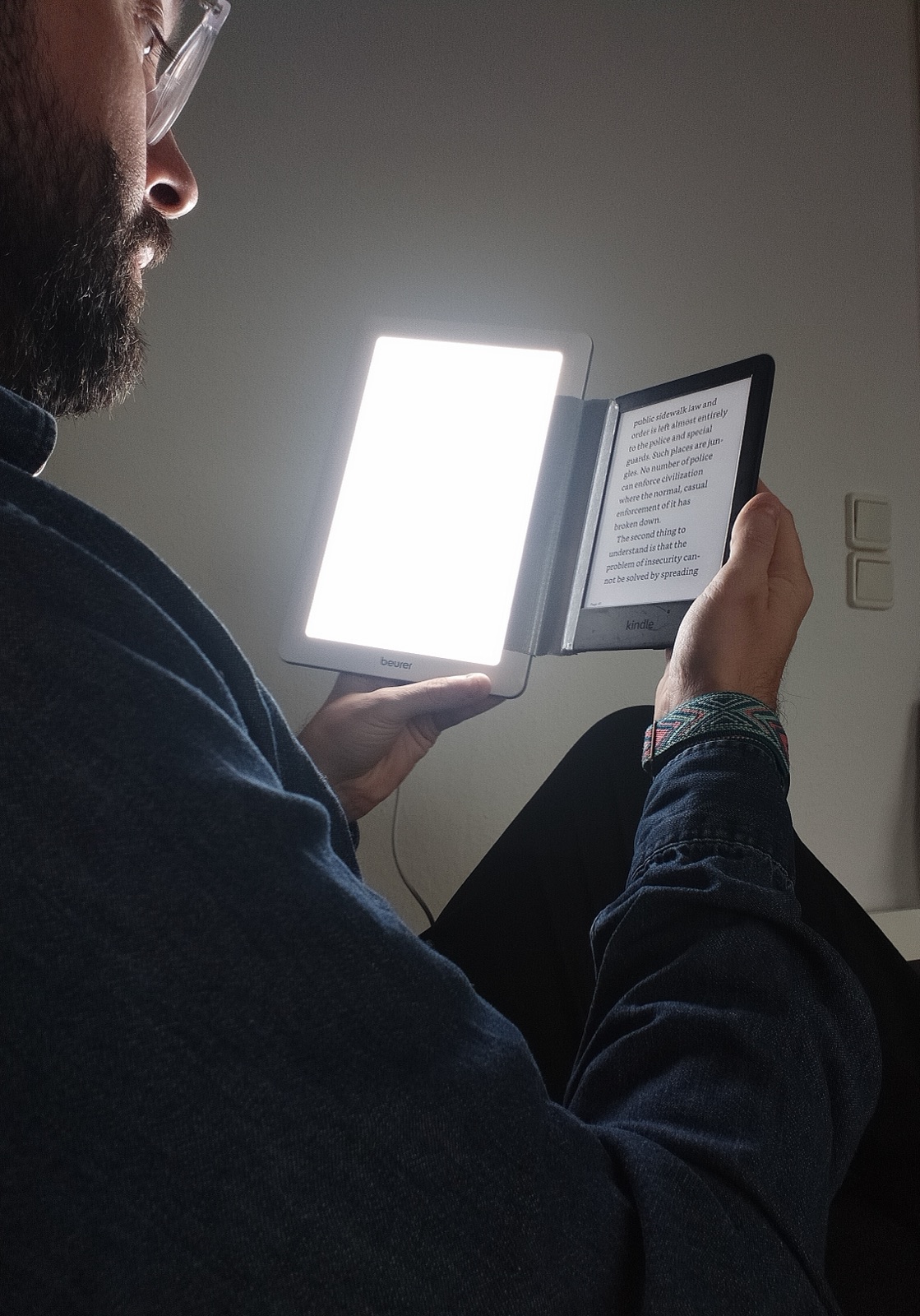
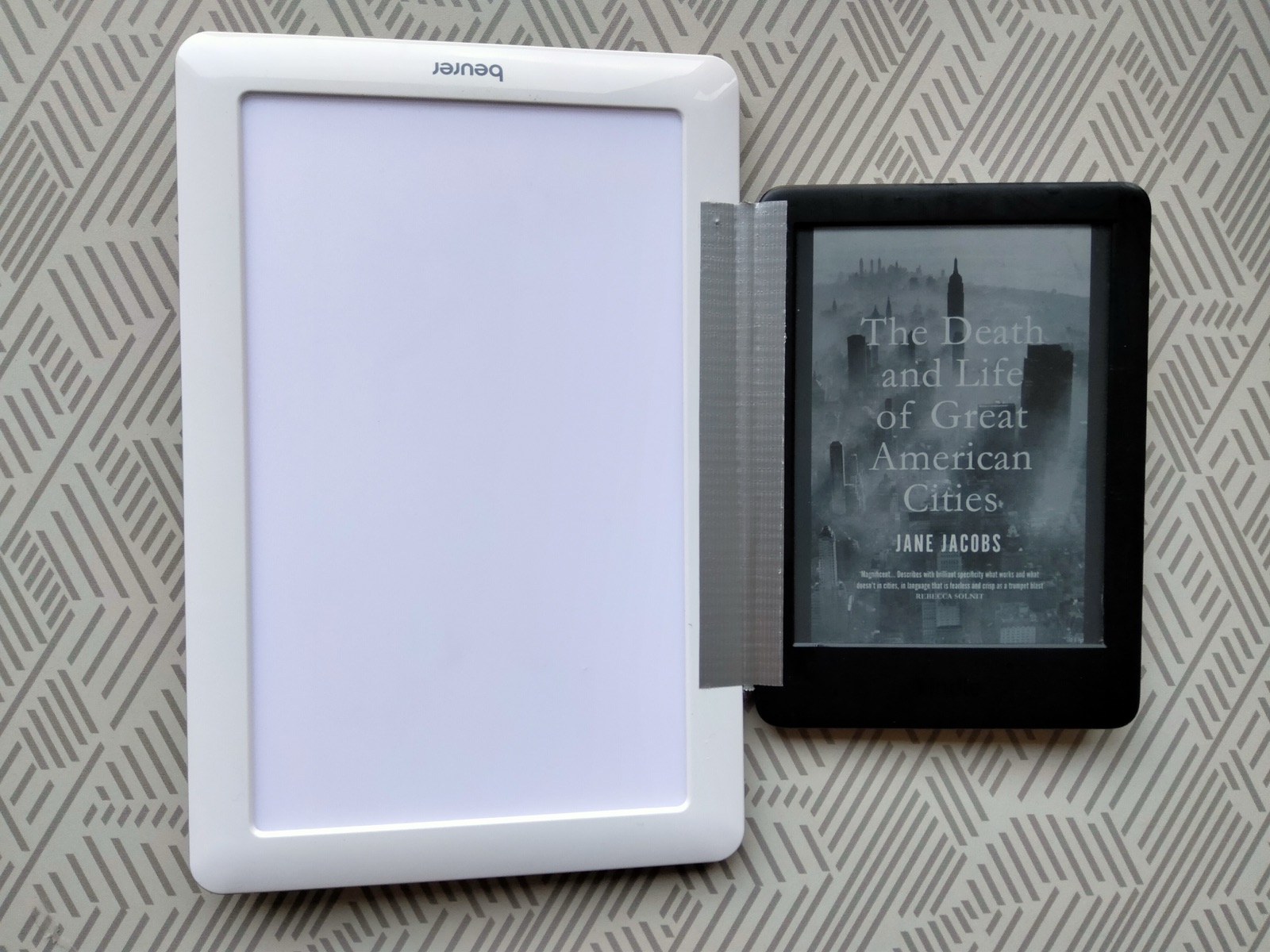
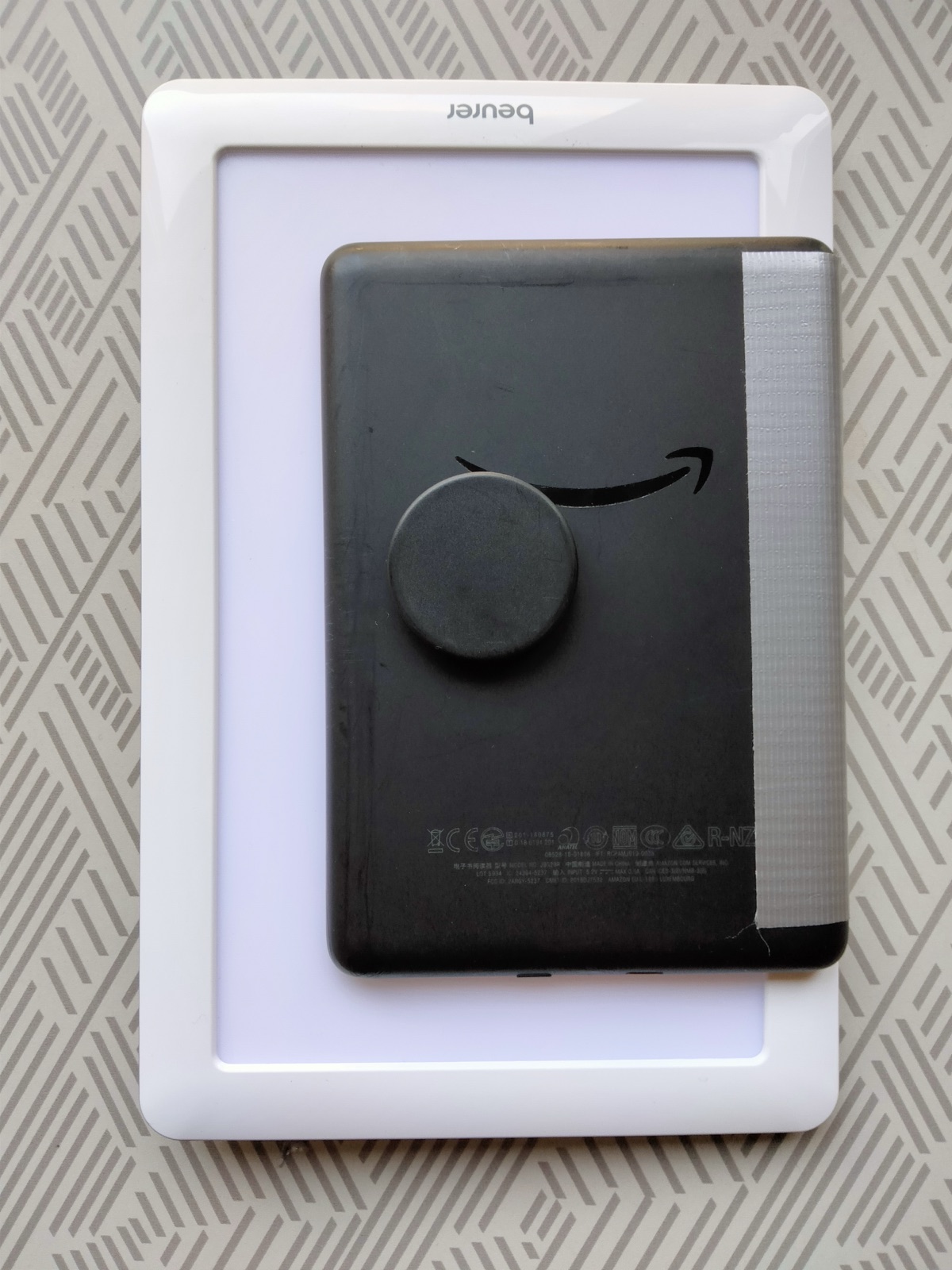
I came up with combining my Kindle and the light with duct-tape
S that I now can…
Spend the 20 minutes READING, aka acutally doing something USEFUL with some of my most valuable morning time
While, simultaneously having the SAD lamp very close to my face for gaining the actual THERAPEUTIC BENEFIT that I paid money for
And, for the necessary COMFORT of holding the lamp so close I’ve experimented with POP-SOCKETS and came to their optimal positioning
The ideal solution
The duct-tape version is 85% of my ideal solution
To make it 100% I would make the following changes:
Make the light the same size as the Kindle
Make the light battery-powered
Have both, light and kindle slide into a simple cover
IMPORTANT: Lastly, keep the POP-SOCKETS on both sides at the exact locations I had them
Details
To Beurer
For the inevitable person at Beurer who will see this and think…
“Hey, this is a great idea. We should build a light-therapy lamp that you use while you’re reading on your eBook reader.
“This actually makes the lamp usable and useful. Like a cover or something that connects the two devices neatly.”
“And he’s so right - We need something like the Pop-Sockets so you can actually hold it.”
“Oh, and we’ll just say ‘we listened to our users’ and spin it as some ‘co-creation’ design story. That’ll make marketing super happy.”
“And anyways, it’s sooo obvious of a solution when you look at it… so instead of reaching out to the author for their fair 10% of profit-share per unit sold, it should ME who gets paid an extra bonus for it for finding it. I deserve that.”
Listen up motherfucker
I’m tired of your bullshit
You’ve had the chance to do your homework and do ACTUAL user research
And I’m not talking about that one time doing one of those tired, old, lip-service “customer-centric innovation” workshops that went no-fucking-where
You arriving here means you didn’t do your work
I did your work
I did the leg-work you should have done
…And I know, building plastic frames with LEDs is work
…And getting them certified for the German market as well…
Bla bla bla…
I don’t care
The short of it is:
If you want to sell this
Then start by calculating in my 10% of profit-share per unit sold
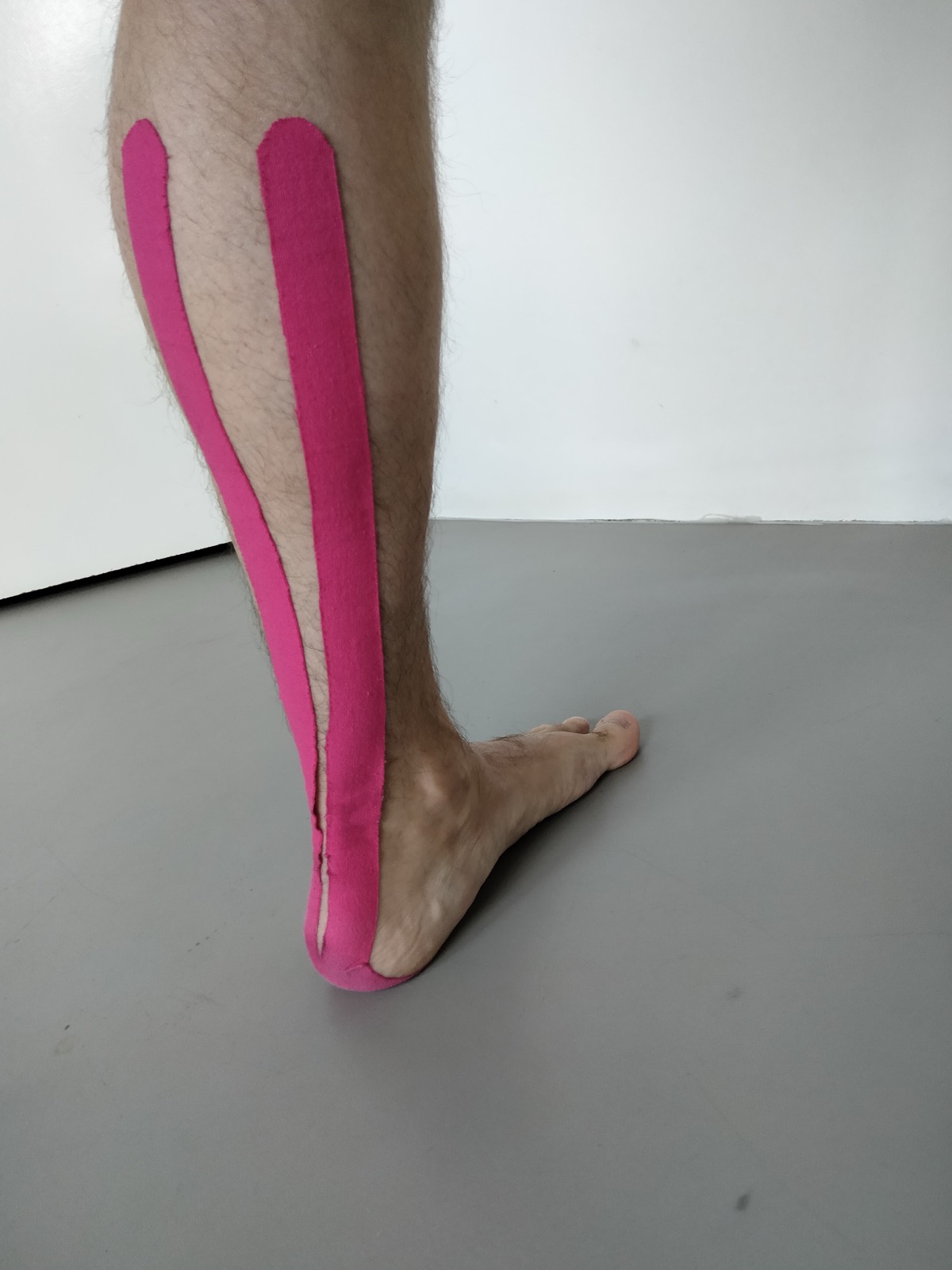
Taping – as prescribed by my orthopedic doctor – works very well, much better than I had expected
I’ve recovered my achilles tendon within two weeks of wearing tape after struggling with sharp pain for almost a month
The consistent presence from the tape redirected my attention to my heel several times a day
I believe that consistently repeated, daily attention to a part of my body helped it physically heal faster
I’ve also learned that…
When giving myself space and time to connect with myself, either through therapy or daily me-time, I noticed that certain psychological pains also have specific places in my body
For example, sadness (unsurprisingly) manifests as a sharp pain around my physical heart
What if…
What if you could use kinesio-tape to help support healing psychological pain as well?
By stimulating the physical area where it manifests
By consistently directing my attention to that part of my body
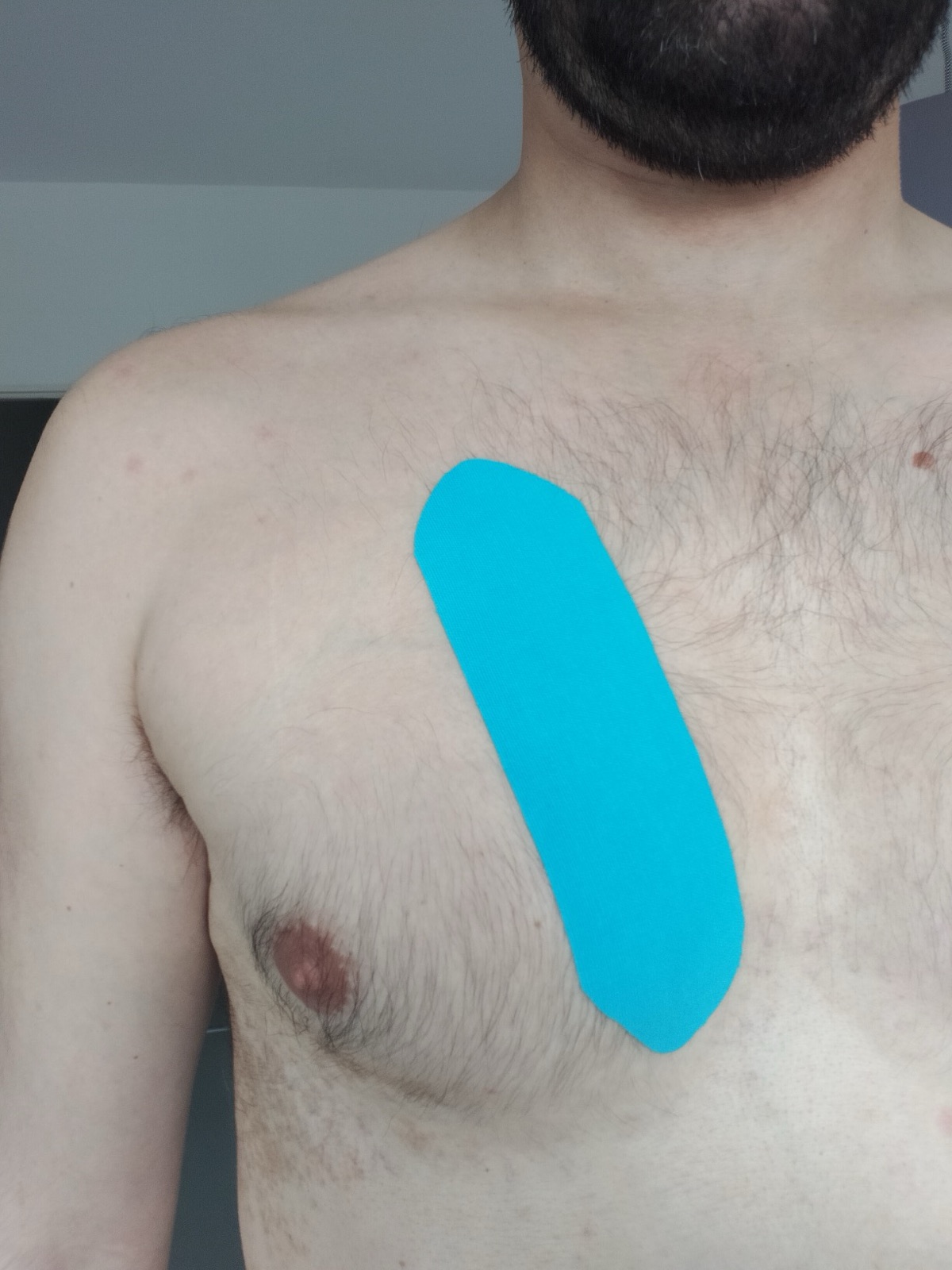
Prototype for sadness
For supporting sadness, disappointment and grief.
Emotions that have been very difficult for me to allow and process.
Hypothesis: I believe that if I tape above my physical (and emotional) heart, then I will direct my attention to my heart and its emotions more often…
… which I believe will result in giving emotions, including the difficult ones for me - such as sadness - more attention and Safe Space to heal and prosper
Tracking
Day 1: The tape is soft and nice to wear. I’ve found myself being reminded to mentally “look there” 5 times in 12 hours.
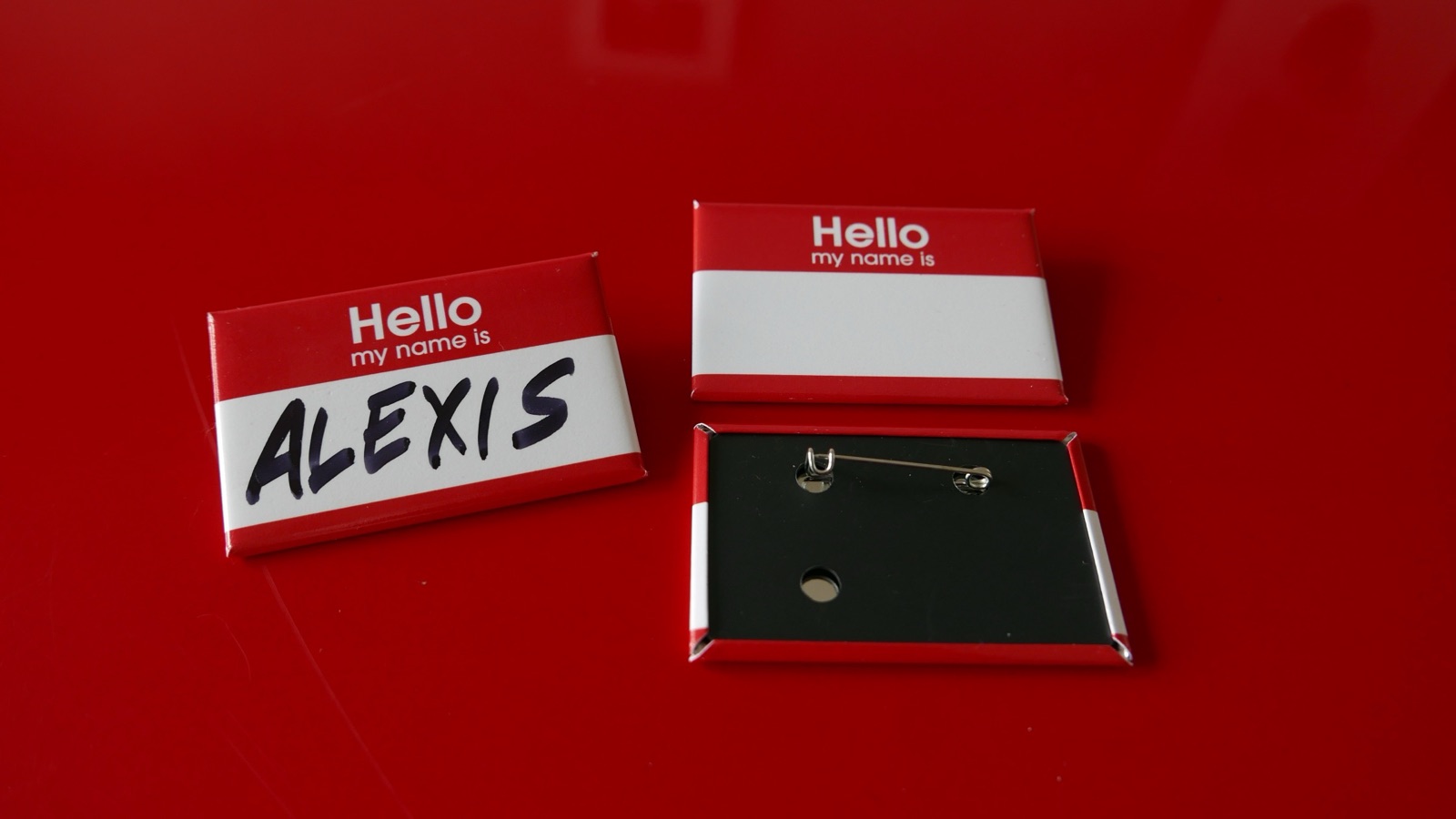
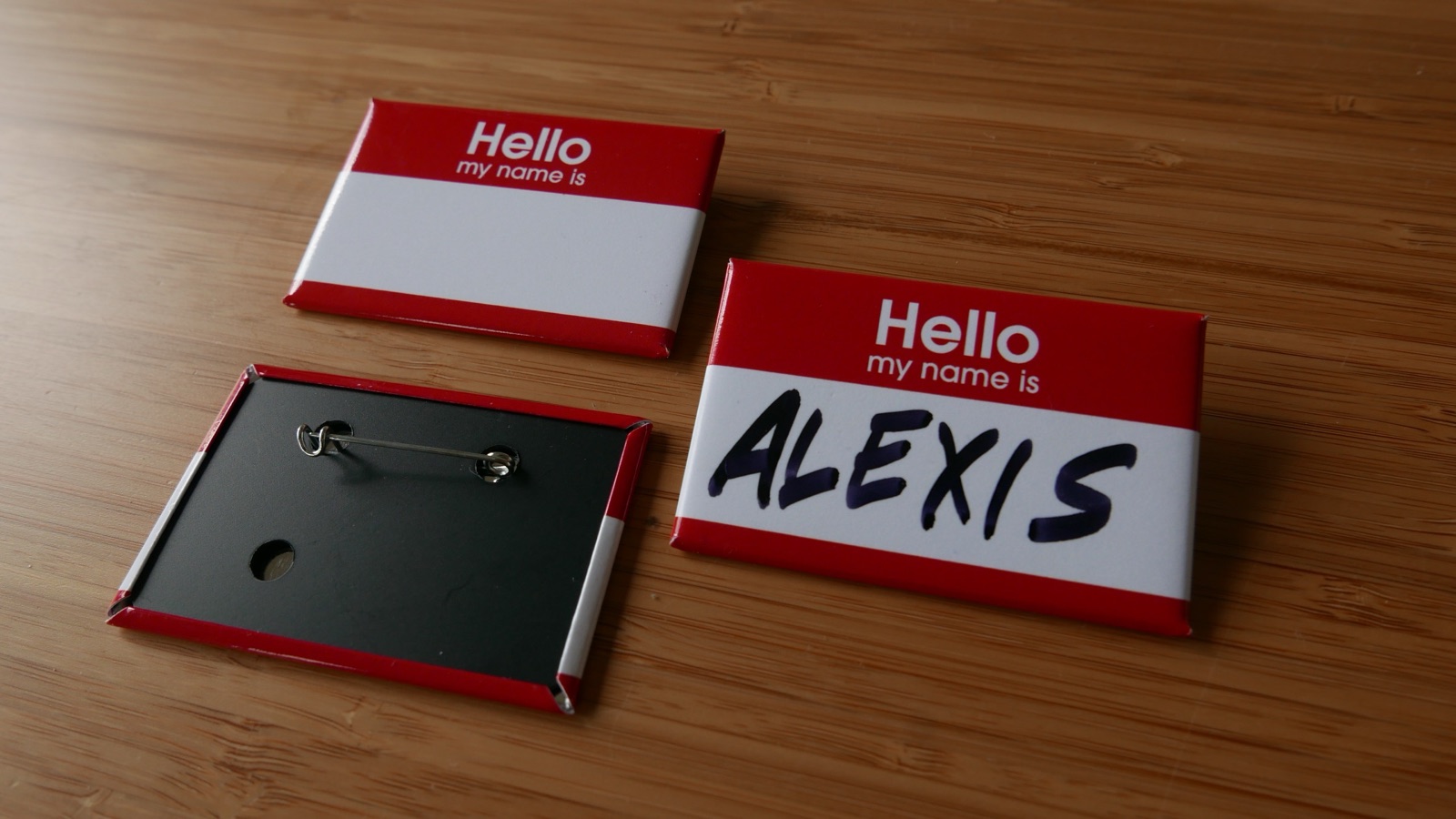
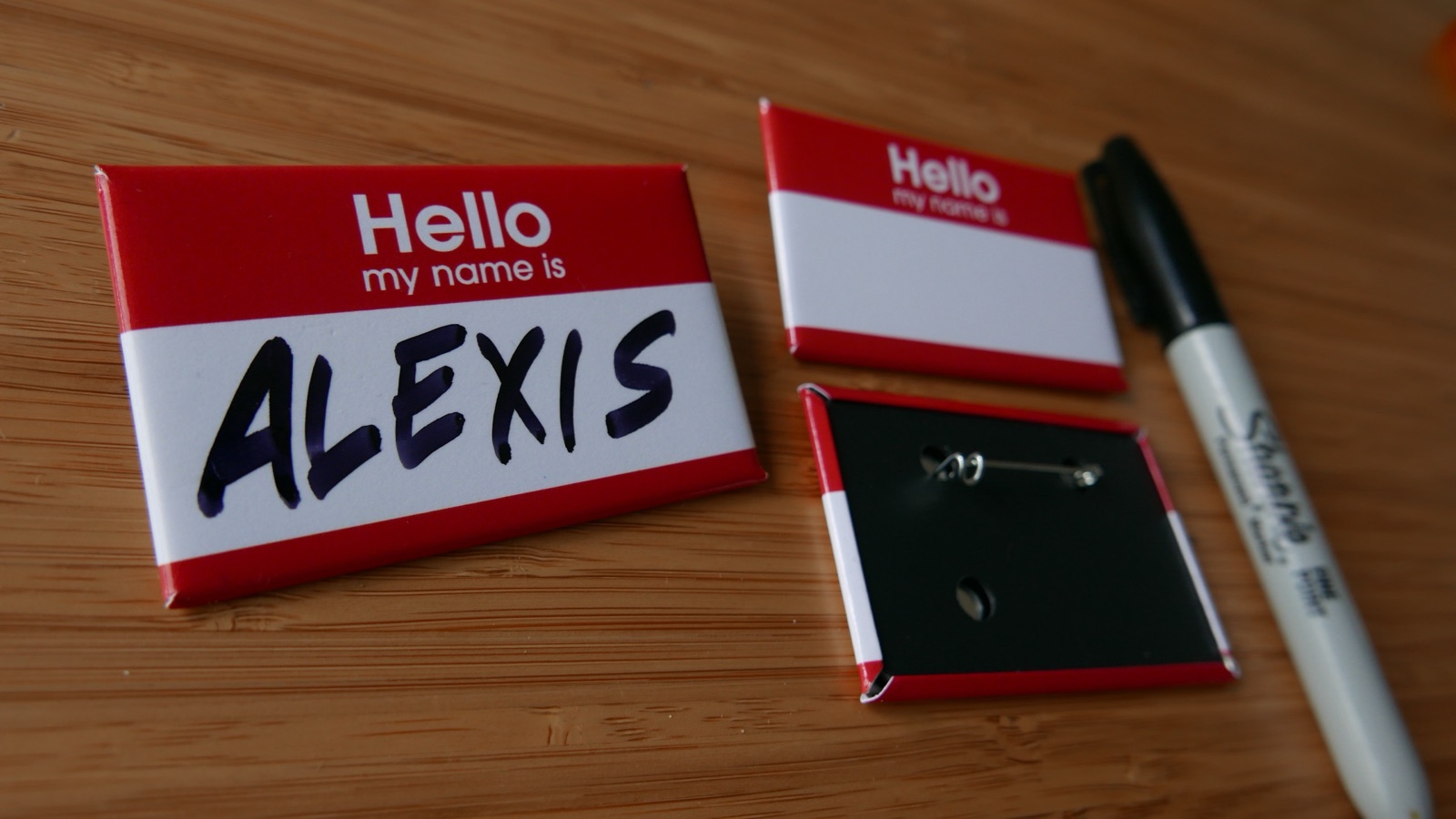
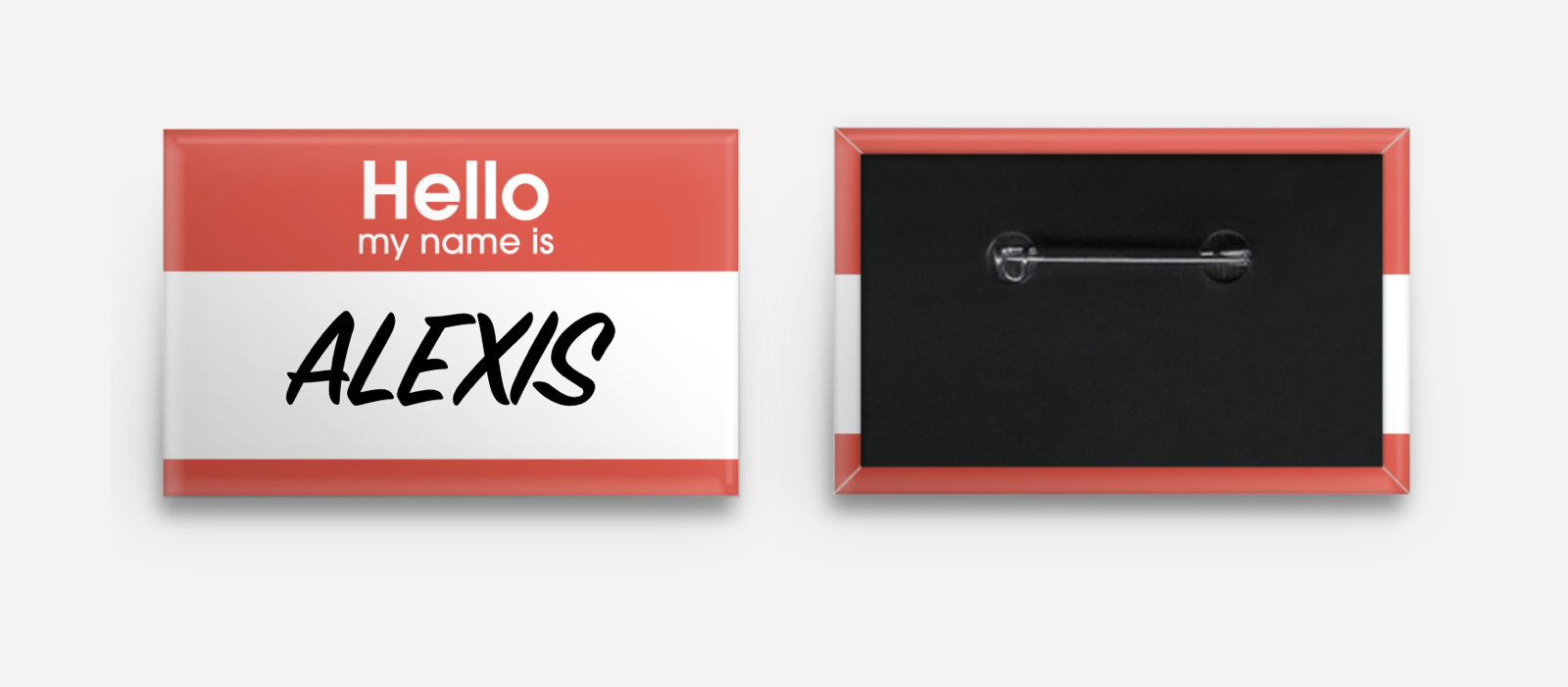
Basically, have a reusable version of the classic “Hello, my name is” sticker as a button with my name on it and wear it while I’m out and about to show that I’m open to conversation by offering my real name.
‘Hello’ Button MVP
Learnings
Looks really good with the name writting in Sharpie
Felt good, exciting to wear it out
Felt vulnerable, authentic and powerful to put my name out into the world
My mother died after a long and courageous battle with cancer.
It felt like watching a deadly car-crash in slow-motion. Stretched out over ten agonising, depressing, and feeling-out-of-control years.
I last saw my mother around the 31st of December 2016 when I finished visiting my parents in Spain. She had been very weak and in pain and needed to lay down more then usual. The years of chemo and pain-medication had taken its toll on her body and her spirit. Her mind was still clear and she spoke about money, her brother and me.
I remember the last time I saw her, after we had said good-bye, passing by her window as she lay back into bed. I did not know this was the last time. I figured, after 10 years of ups and downs, this would be another one.
We spoke on the phone a few days later and she sounded very tired and out of it. I still didn’t make much of it, I wasn’t worried more than usual. We spoke one more time when I told her about a cold I had gotten. I remember she wished me well.
Two weeks into January, my father called me and told me they had to move her to the hospital. She had been too weak to stand up. And that he couldn’t take care of her anymore because he, too, was now too weak. He sounded heavy so I started to worry, too. I asked him if I could talk with her but he said she was too weak at the moment. I should try again in a few days.
I asked him if I should fly down to Spain but he refused: “There’s nothing you can do right now.” Then another week passed, he said she had a few good days but slid in and out of consciousness. That’s the first time we decided I was on “stand-by” to fly down.
In the late afternoon of the 5th of February, I got “the phone call”. The call I had dreaded for ten years since My mothers cancer diagnosis 2008. That ONE call in which my dad asked me to buy a ticket and come as soon as I can to see my mother, who was still alive, one last time.
I bought the ticket to fly out of Tegel early next morning to arrive at the hospital before 11am. I remember taking a Taxi to the airport at 6am. Then getting on the airplane feeling still and numb and yet completely functional. Two hours later, at around 9am, I landed in Palma de Mallorca. I switched on my phone and received my fathers WhatsApp message. My mother had passed away over night. And that I needed to come to say good-bye as soon as possible due to hospital regulations.
I took another Taxi and arrived at about 10 or 10:30. I first saw my father who explained to me what happened. She had not been conscious for most of the past days. Had been on pain-management. Her breathing had slowed down last night. He stayed with her for the whole night. Singing her her favourite song “San Francisco” by Scott McKenzie over and over as she passed away.
I had twenty minutes to say good-bye before the hospital had to move her to the morgue.
I entered the room. To the right her hospital bed appeared. I moved closer and saw her body. Eyes closed, her thin hands folded, still.
While it’s been great to have a single venture as my focus, I’m starting to feel too slow about it. Focus is good, but it needs to be balanced with the ability to find something worth 100% of focus. Here I think I’ve had opportunity costs by focusing on one thing too early.
I saw this recently on Instagram and it reminded me of how I had approached my ventures last year. Especially the “double your rate of failure” bit stuck with me. With one venture, I have a rate of 1. I could, and have in the past, parallelized 2 and 3 ventures.
After all… I learned last year, after publishing 10 books, that – if I do everything else right – only 1 out of 10 will actually work and be profitable.
So, here’s a break-down of what I’m thinking:
Starting with the smallest unit, the experiment with its three steps, then sequencing that in one venture, then parallelizing multiple (non-cross-pollinating) ventures to double and triple my rate of failure.
However, this is pretty much an idea where everything always takes the same amount of time. In reality it looks more like this:
So, I do have my experiment board that allowed me to keep track of my experiments before. And I’m not crazy about the Evernote style so far… Should I just re-use my tracking system? Why did I stop using it?
See How To Make Better and Faster Investment-Decisions With Lean Experiments for details ->
As many of you know by now, I strongly believe in the effectiveness of using the scientific method to validate business ideas.
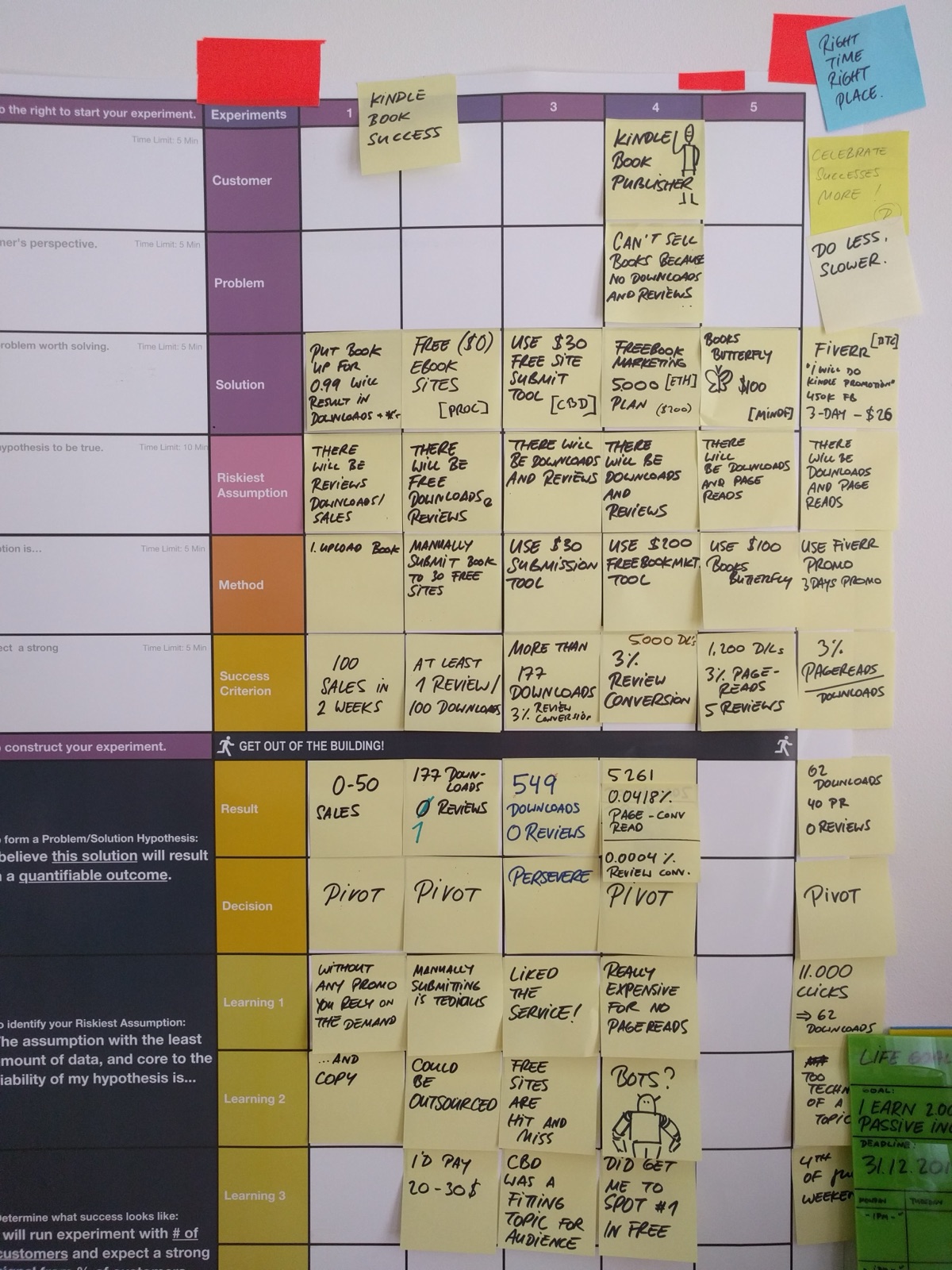
Earlier this year, I began running a bunch of experiments for my ideas and ventures. But, quickly, my experiments became too much to handle on a white-board with stickies. I switched to a Google Sheet but that didn’t have the usability and speed that I loved from using stickies.
So I decided to build a simple experiment tracking system for myself.
Keeping Track of Ventures, Experiments and Costs
I would say it’s pretty basic and covers exactly what I need to keep track of:
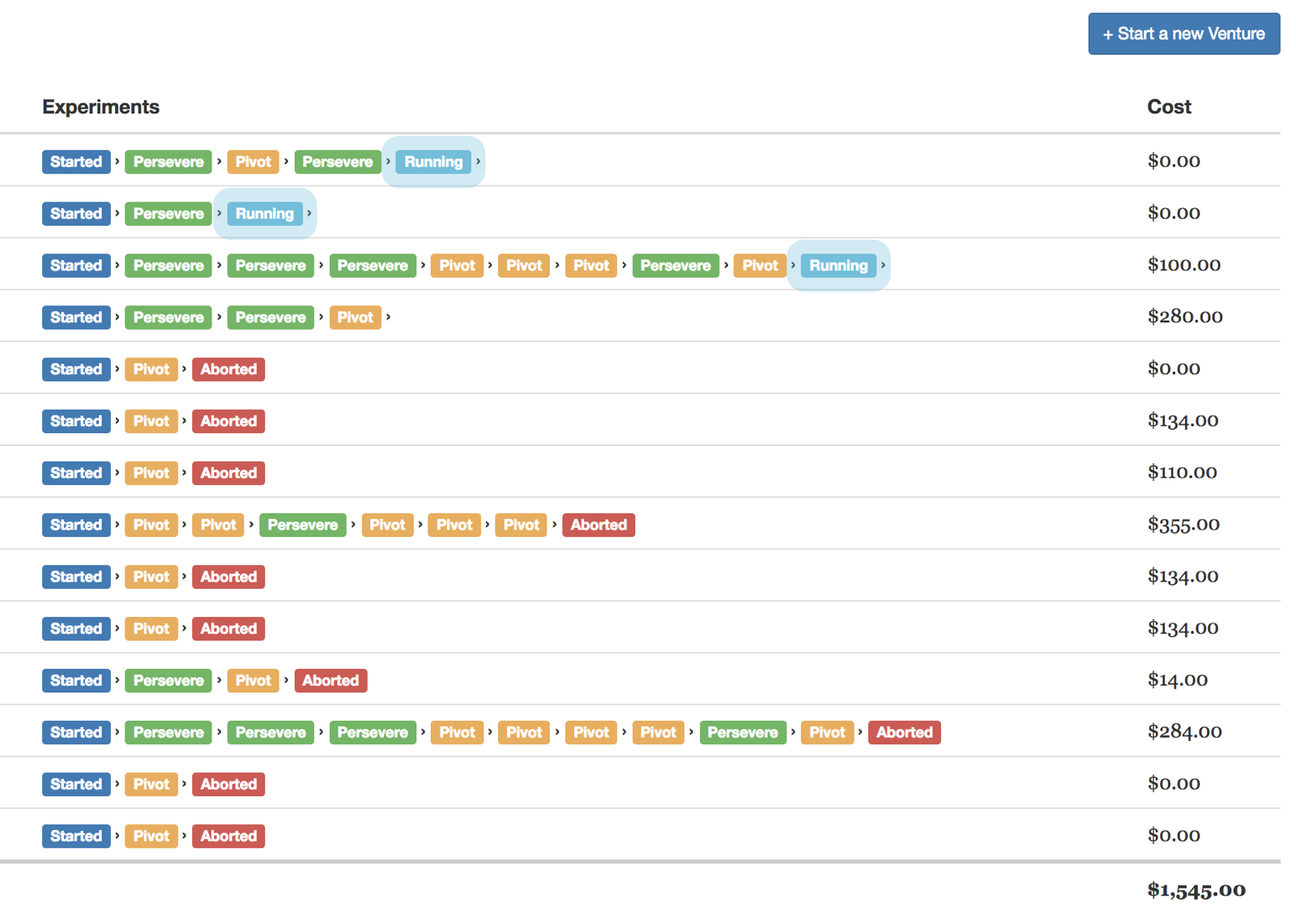
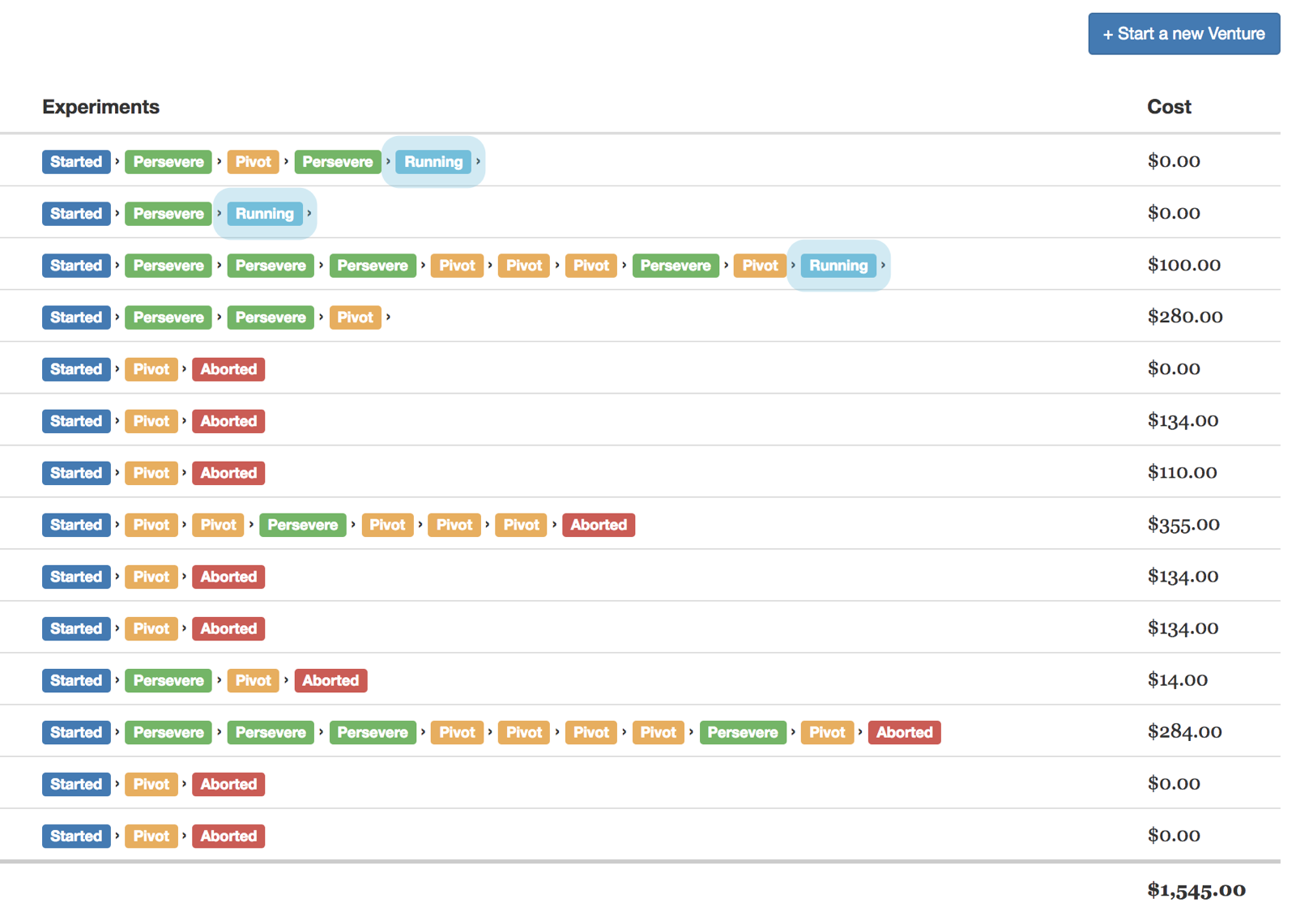
My Ventures which are a sequential list of experiments and their Pivot-or-Persevere decision. Ventures can also be aborted if there is no encouraging signal.
Experiments, which comprise of:
Theory
Riskiest Assumption
Method
Prediction
Outcome
Decision
Cost
Learnings
Cost tracking
Per Experiment
Per Venture
Overall
I added software once I maxed out on paper
Note that I built the tracking software only once I had run out of space on my physical custom-madeLean Experiment Board
Types Of Experiments:
I templated the main three experiment types that I usually run:
Market Experiment
Market Experiment – Usually an overview how big the market is, how much traffic there is, how the market has grown so far.
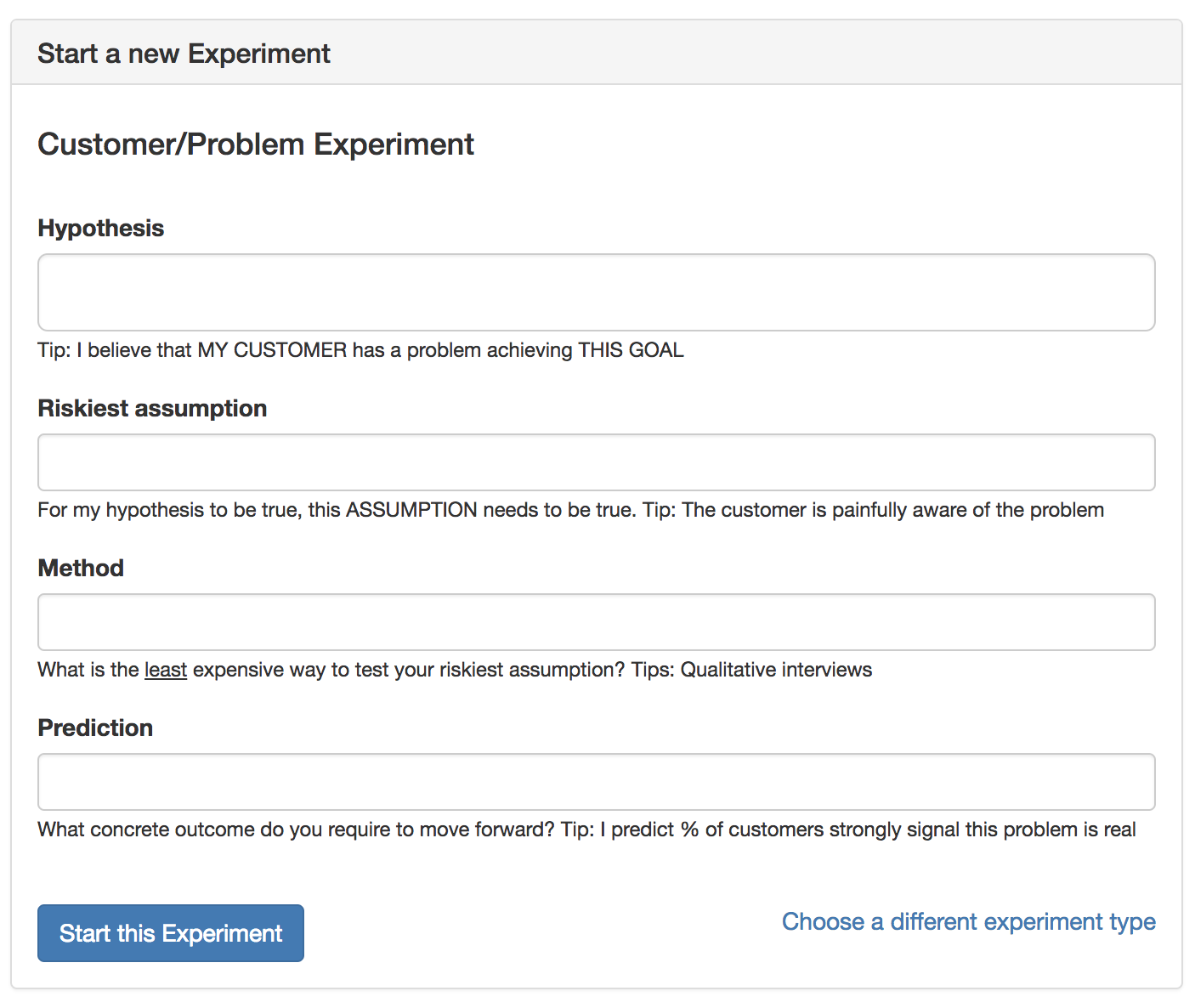
Customer/Problem Experiment
Customer/Problem Experiment – If the market is attractive, I ask myself, what problems do these people really have? Depending on my theory and riskiest assumption I might do interviews or keyword research or – something I’ve fallen in love with – analyze Amazon customer reviews.
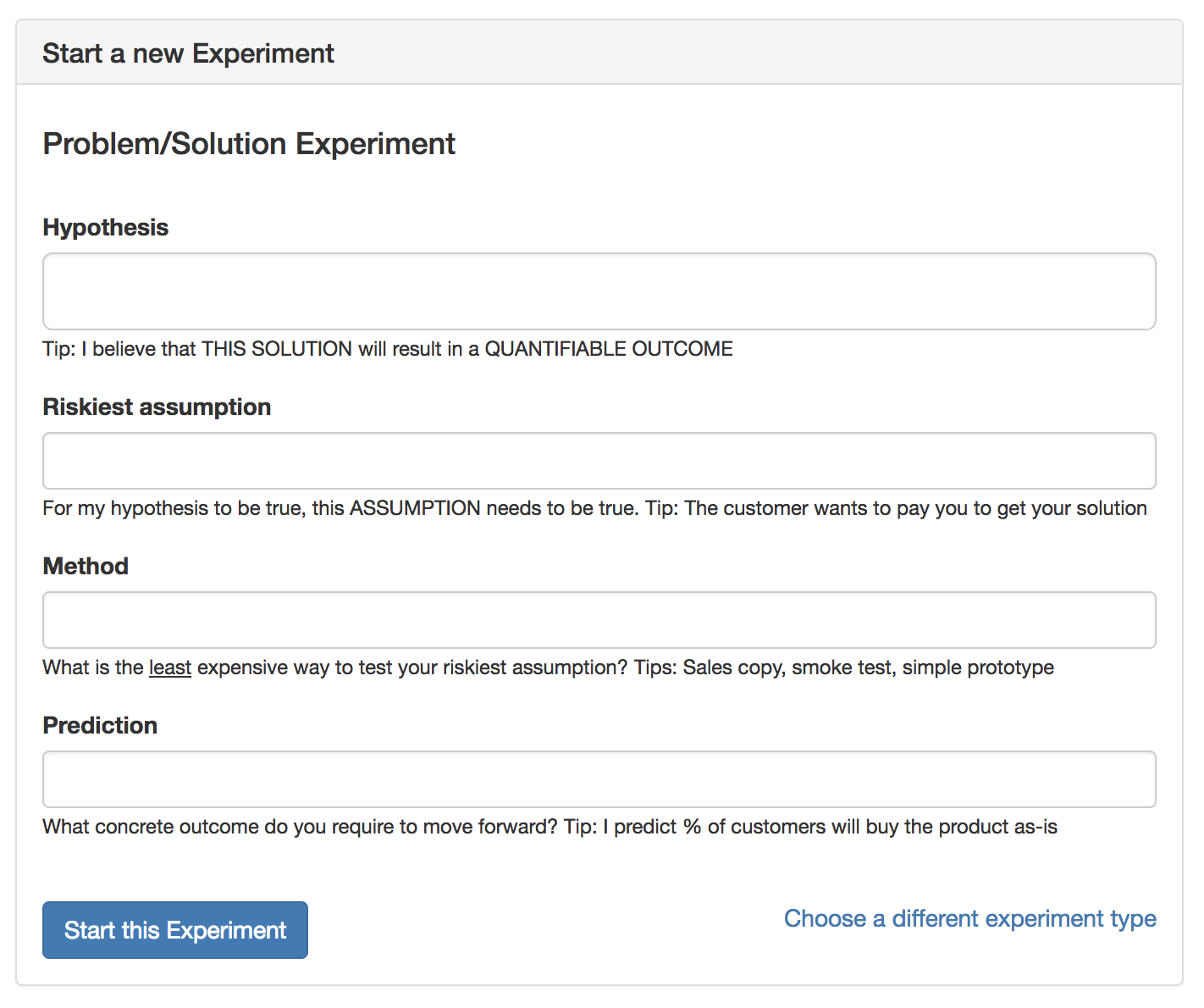
Problem/Solution Experiment
Problem/Solution Experiment – Knowing the problem, can I come up with a solution that is attractive to the customer segment?
Sales-Funnel Experiments
Once I have nailed those three, I start running custom experiments for Acquisition, Activation, Retention and Revenue (but not earlier.)
If you look at my dashboard below, I’ve run 43 Experiments for 14 Ventures. As you’ll see, based on my learnings I aborted more than 2/3rds of my Ventures and continued on only a few promising ones.
I think that’s been a huge value for me. To know and to be sure when to persevere and when not.
So far, I’m quiet happy with it. It’s rudimentary but works.
And since the Venture Board was, in itself, an experiment for myself (My theory was that I’ll consistently use it to track my progress and costs) –
I’m persevering.
Let me know if you would like early-bird access to the board. Simply comment below.
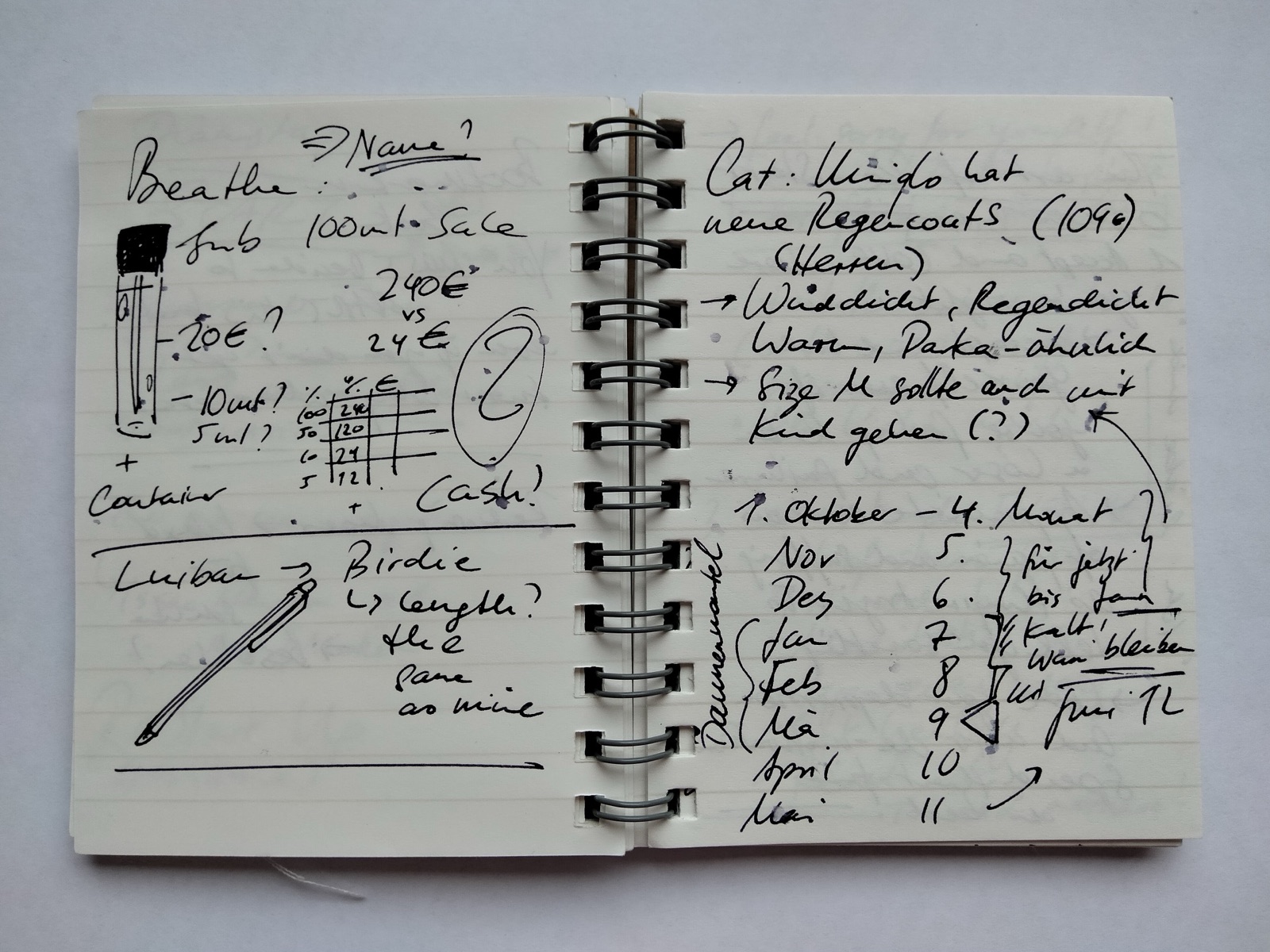
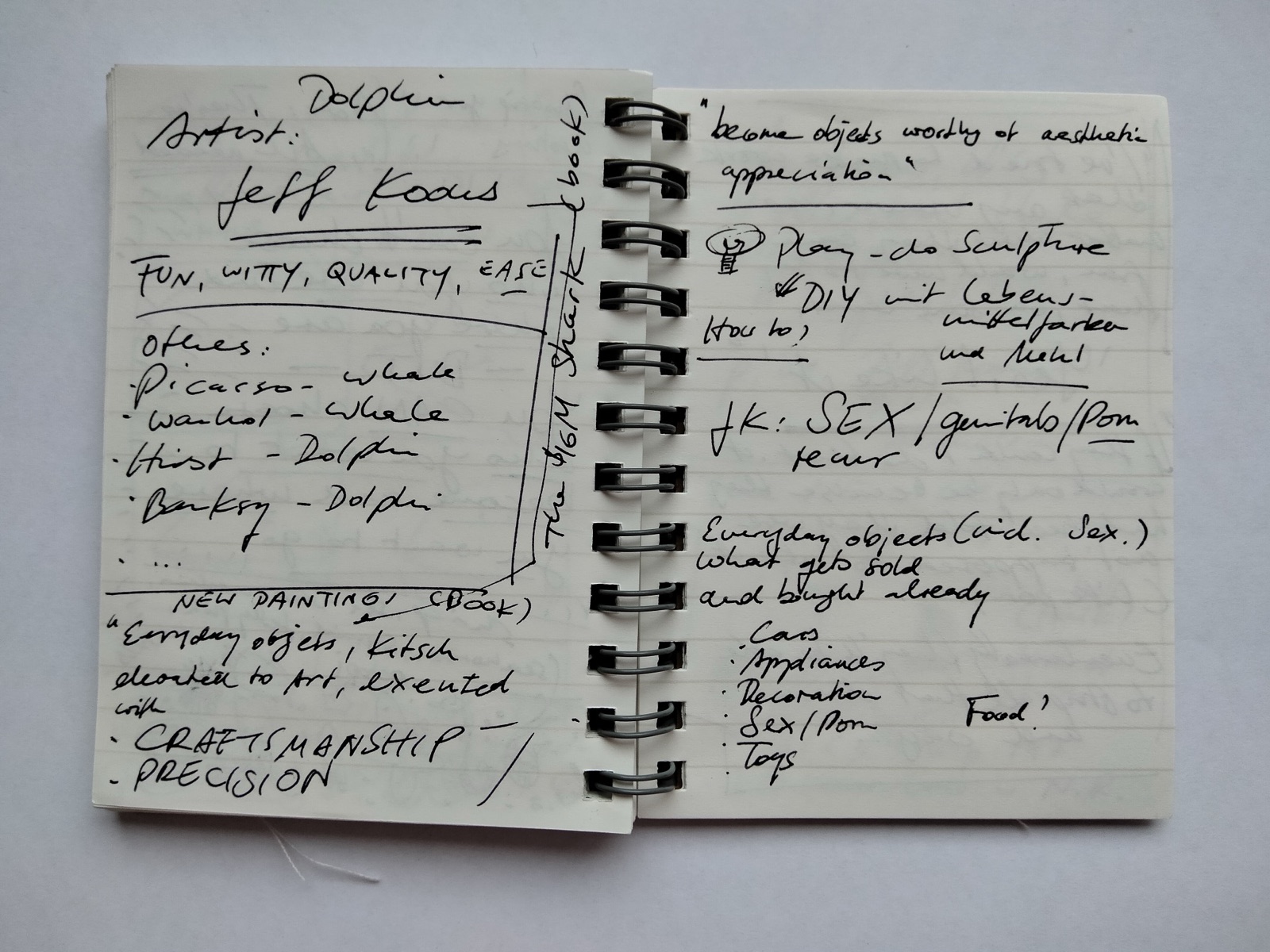
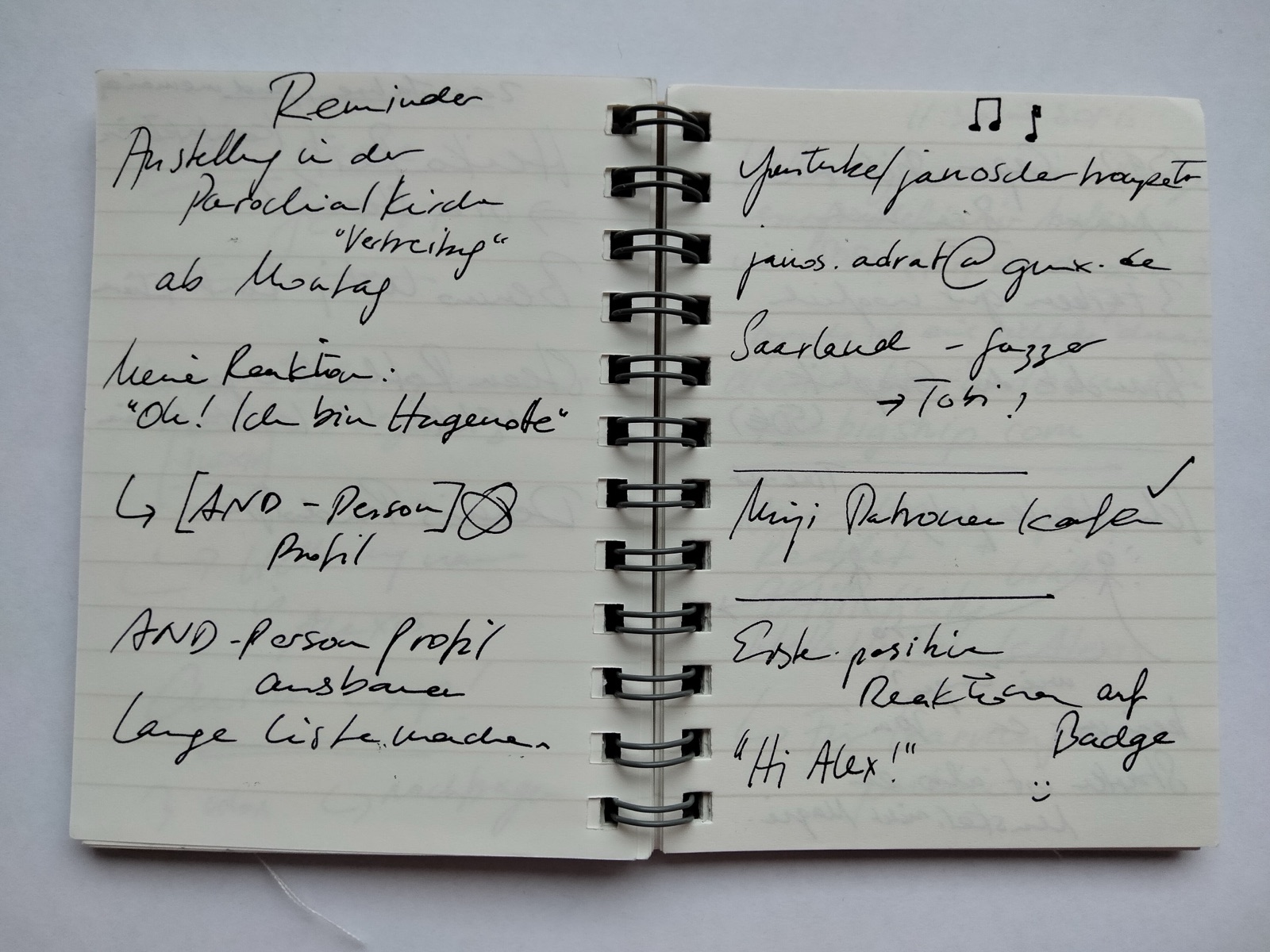
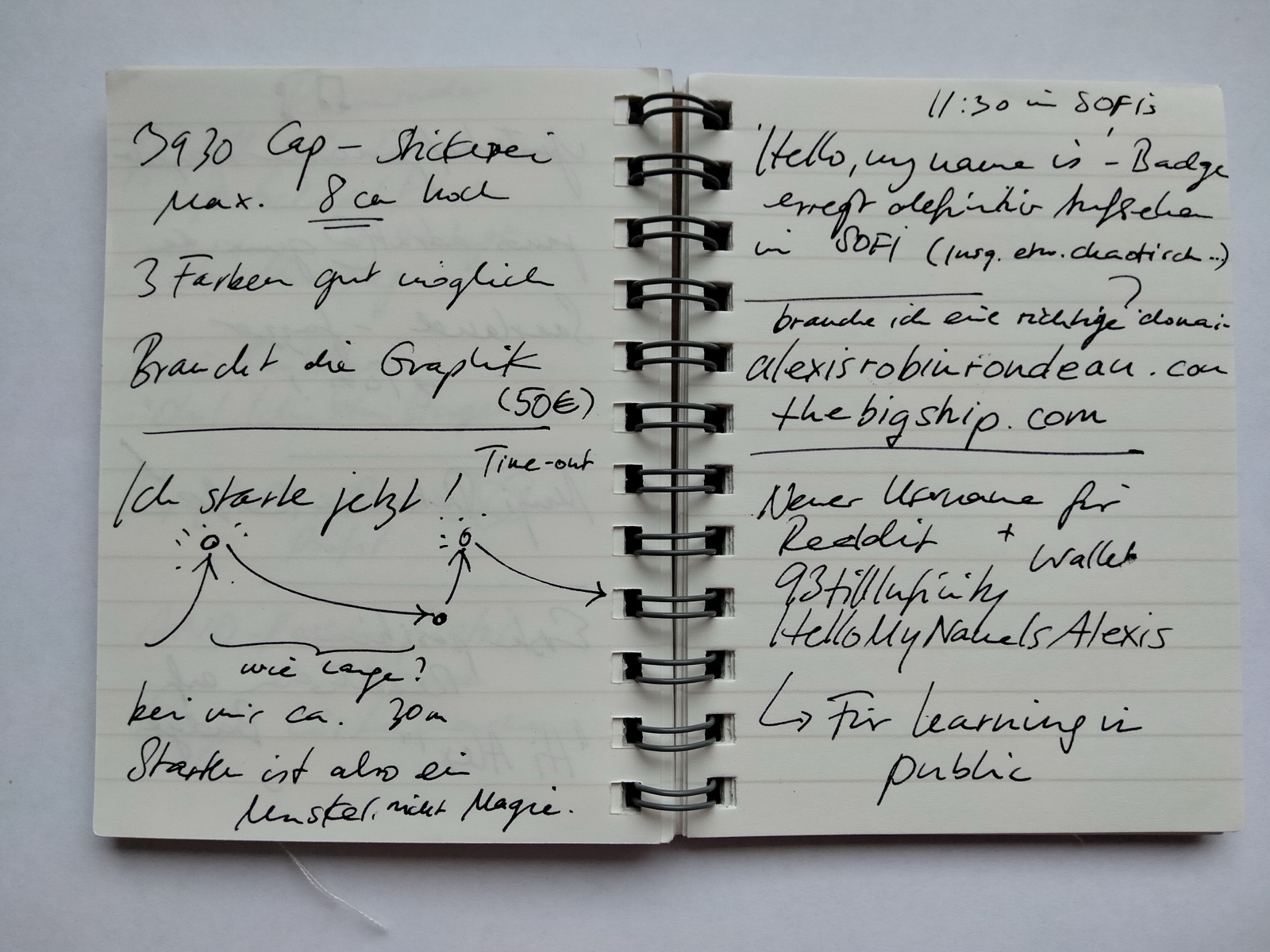
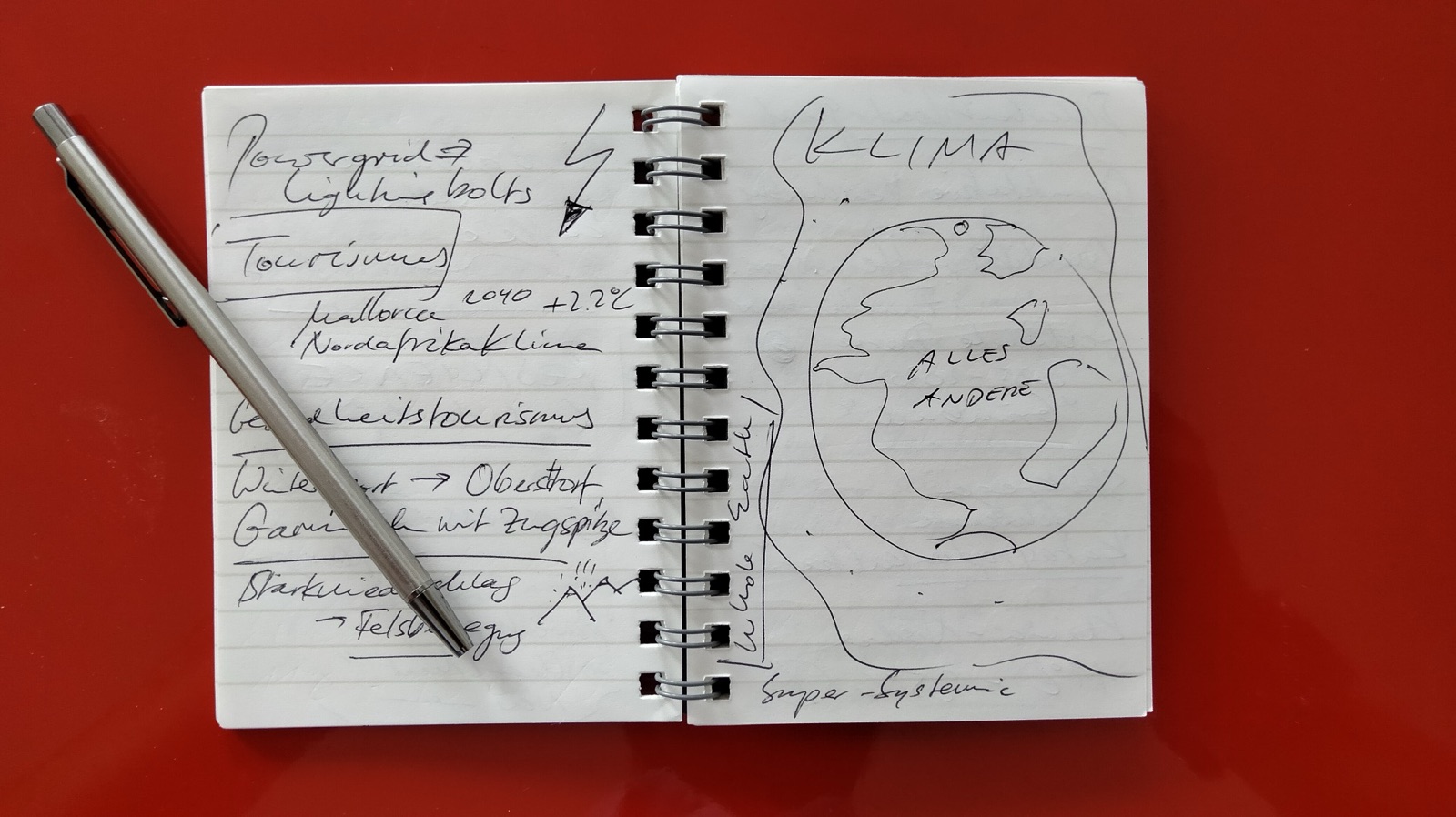
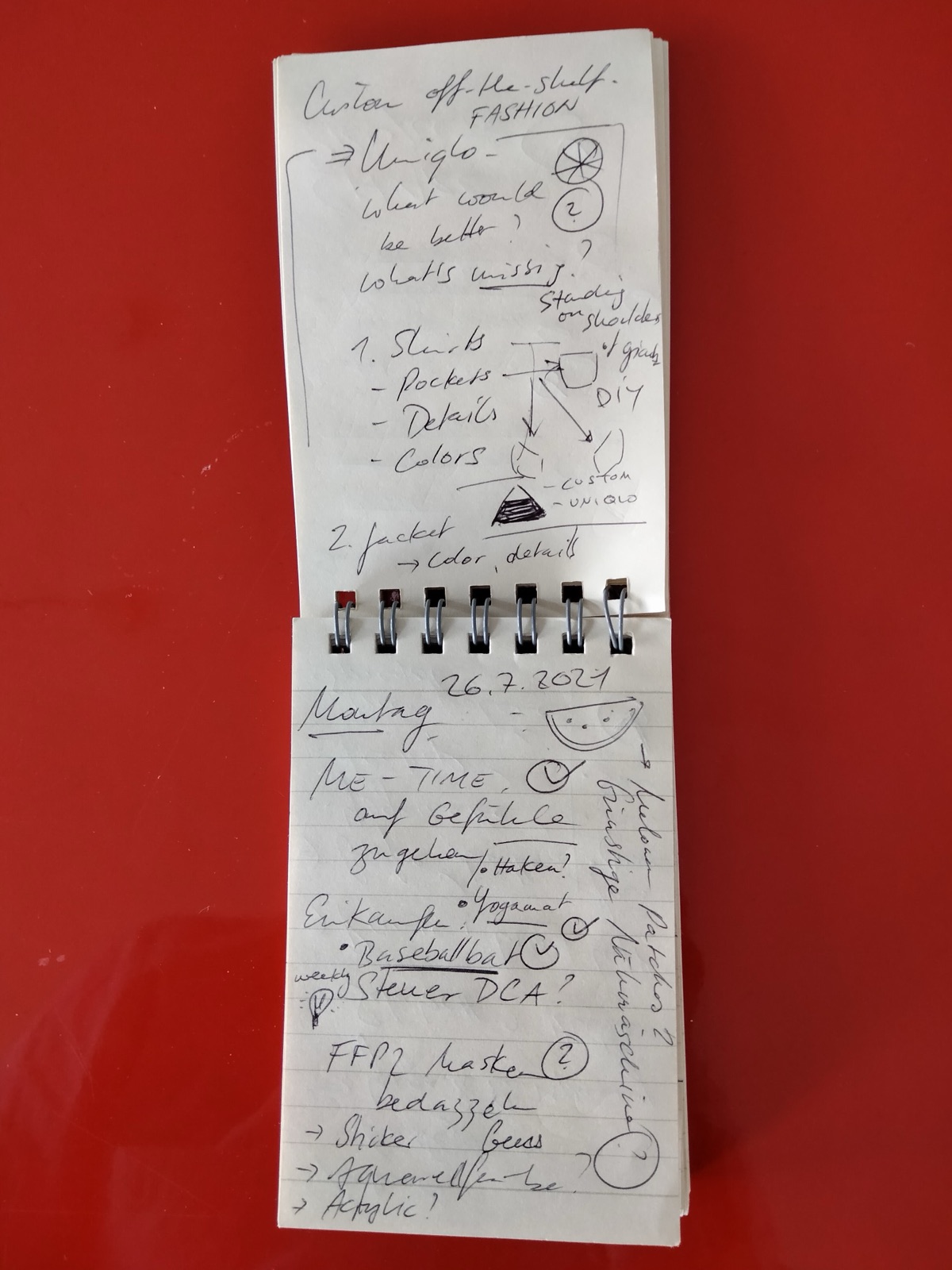
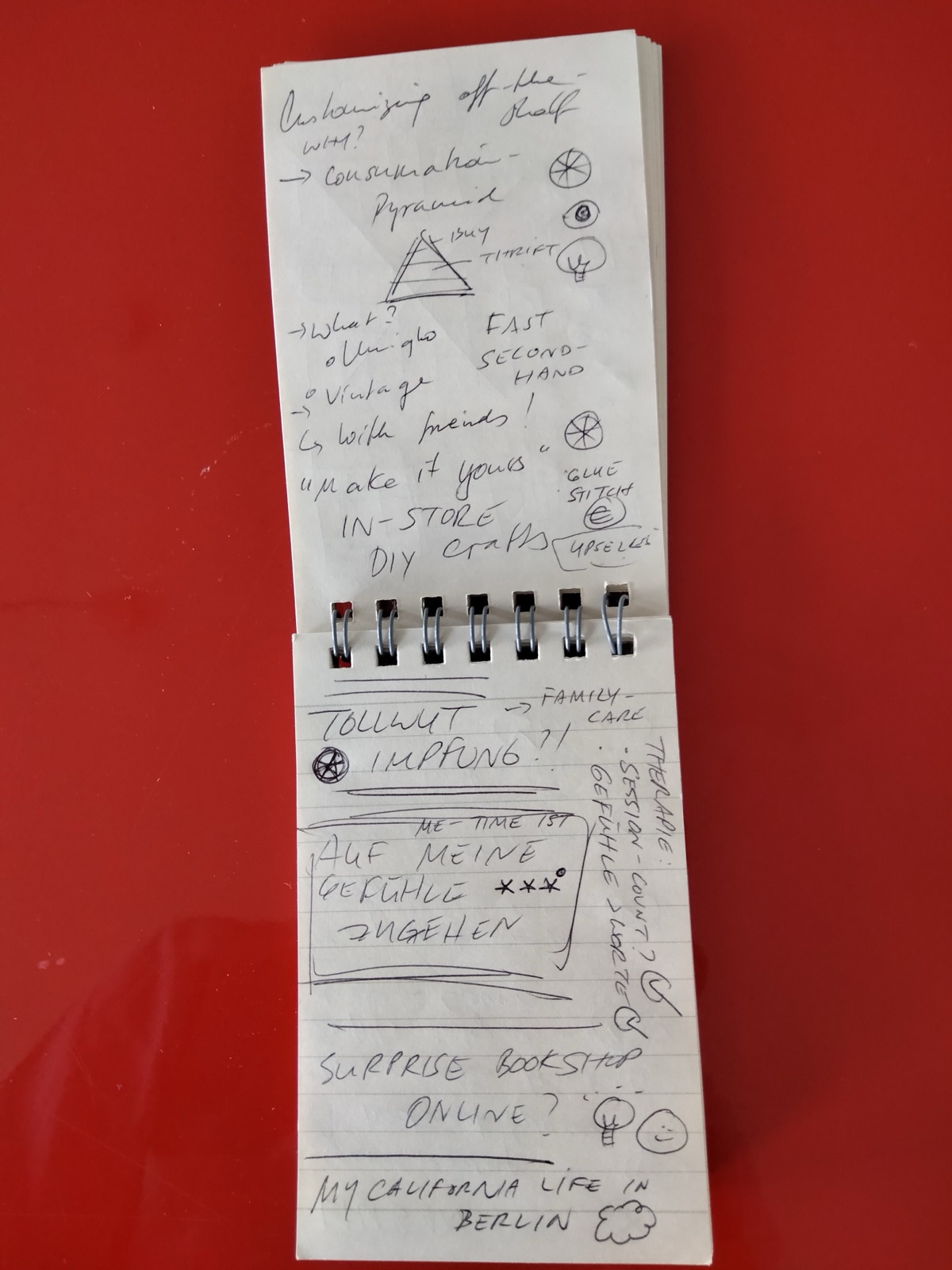
While on vacation at my Dad’s, I bought a tiny note-pad and pen and started carrying it around with me everywhere. I use it to Read to Feed and How to hunt for ideas like an artist.
This tiny notebook has since become a gamechanger for me to quicky capture notes and drawings that I would have otherwise “lost”. I still find that my phone is one of the worst ways to capture ideas quickly and with focus.
Because it’s so small, I’ve taken my notebook on practically every walk I’ve gone on. While I’m walking, when an idea comes up or I read or see something cool, I whip it out, take the pen and write.
The time from “oh, let me note this” to pen-on-paper is less than 3 seconds with this setup. To me, this speed and the flexibility that paper offers (write, draw, illustrate, etc.) is ideal.
Note-taking results
Micro-Notebook S21 – Mallorca (Photos)
Micro-Notebook S21 – Berlin 1 (Photos)
Micro-Notebook S21 – Berlin 2 (Photos)
Micro-Notebook S21 – Berlin 3 (Photos)
Micro-Notebook S21 – Berlin 4 (Photos)
Micro-Notebook S21 – Berlin 5 (Photos)
Micro-Notebook S21 – Berlin 6 (Photos)
Micro-Notebook S21 – Berlin 7 (Photos)
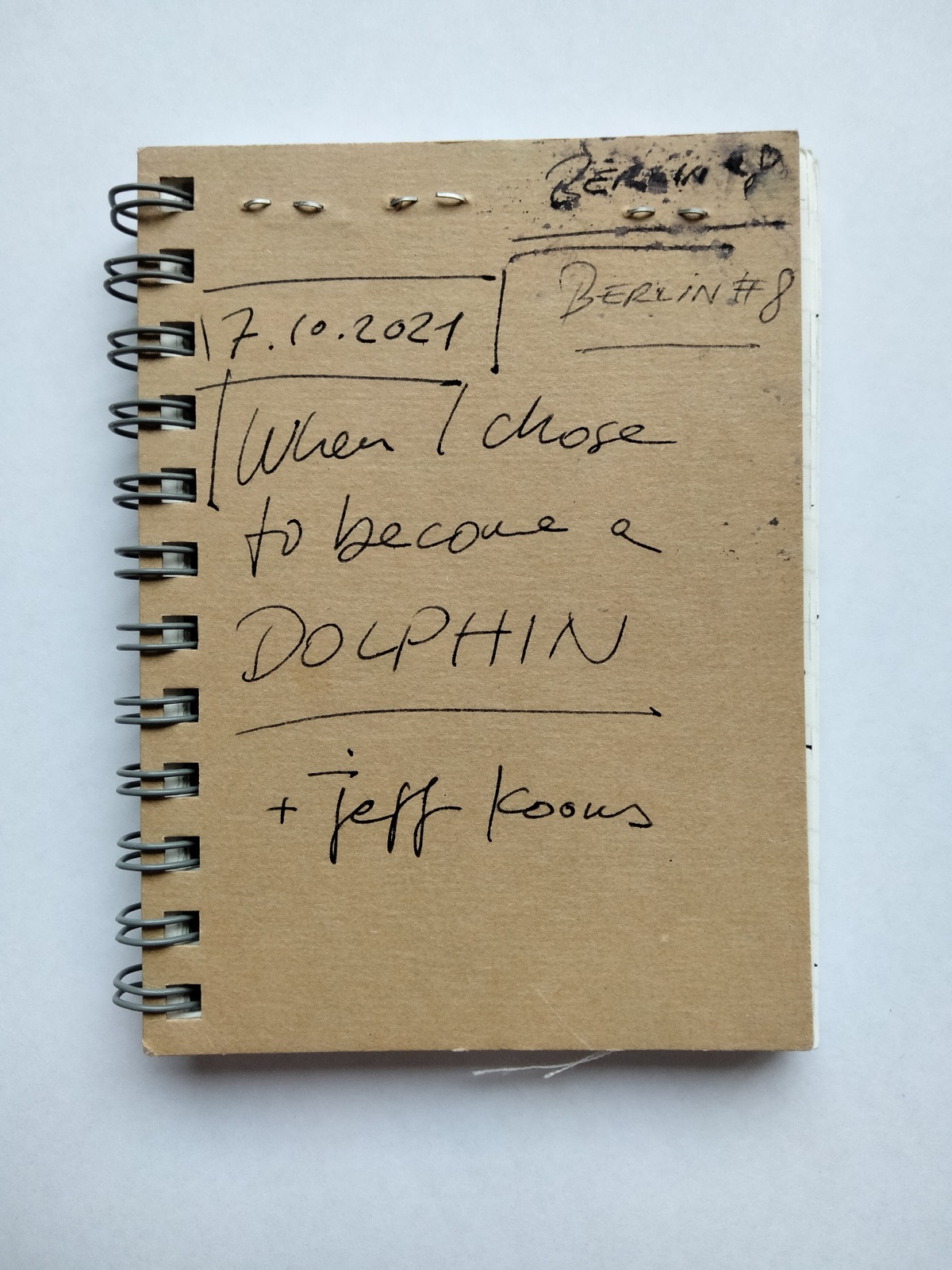
Micro-Notebook F21 – Berlin 8 (Photos)
Micro-Notebook F21 – Berlin 9 (Photos)
Micro-Notebook F21 – Berlin 10 (Photos)
Iteration 1
Description
Random mini notepad for 0.50€
Random small ballpoint pen for 0.80€
Notebook Photos
Photos of all notes can be found here: Micro-Notebook S21 – Mallorca (Photos)
What worked
Amazing to have an immediate way to jot something down
Game-changer for me while on walks and in conversations
Mini telescopic pen with keychain ring^2 for 5.90€
Notebook Photos
Photos of all notes from the first test can be found here: Micro-Notebook S21 – Berlin 1 (Photos)
Photos of all notes from the second test can be found here: Micro-Notebook S21 – Berlin 2 (Photos)
What’s working
Still, having a notepad and pen readily available is a gamechanger for me!
The size of the pad and pen now work much better
Feels much better in my backpocket
The pen, when extended, actually works really well
Writing is easy
Worry-free: The pen is securely attached so I won’t lose it
The lines in the book help me while writing
What’s not working
So far so good, no strong complaints
The attachment ring makes paging a bit weird
Wishes
Ideally (but I couldn’t find any pen that could do it) I would love to slide and fasten the pen between the top wires or SOMEHOW have the whole thing “MORE INTEGRATED”
I wish the covers were even stronger so that the notepad keeps its shape while I carry it around (Maybe build one with thin metal sheets myself?)
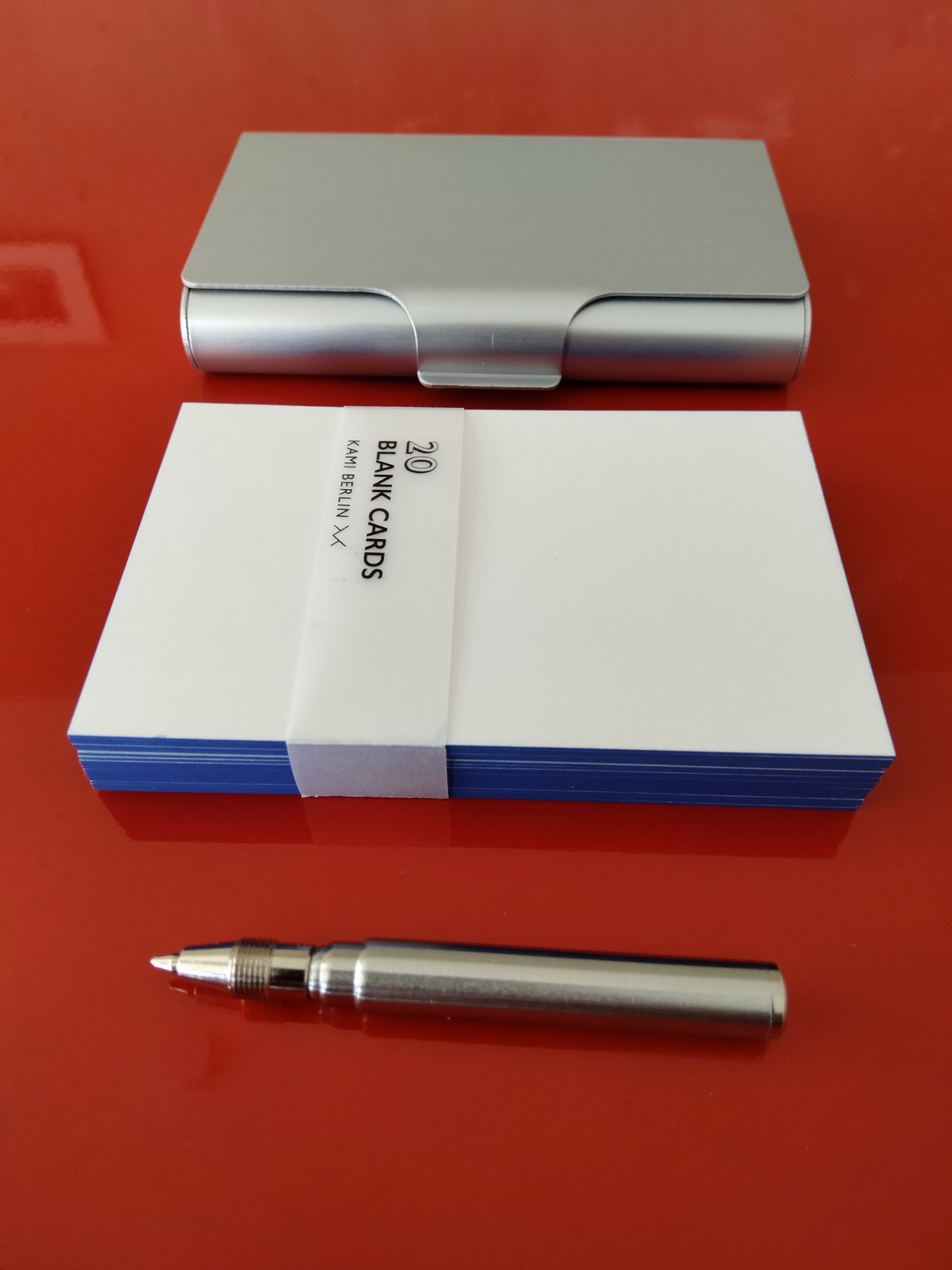
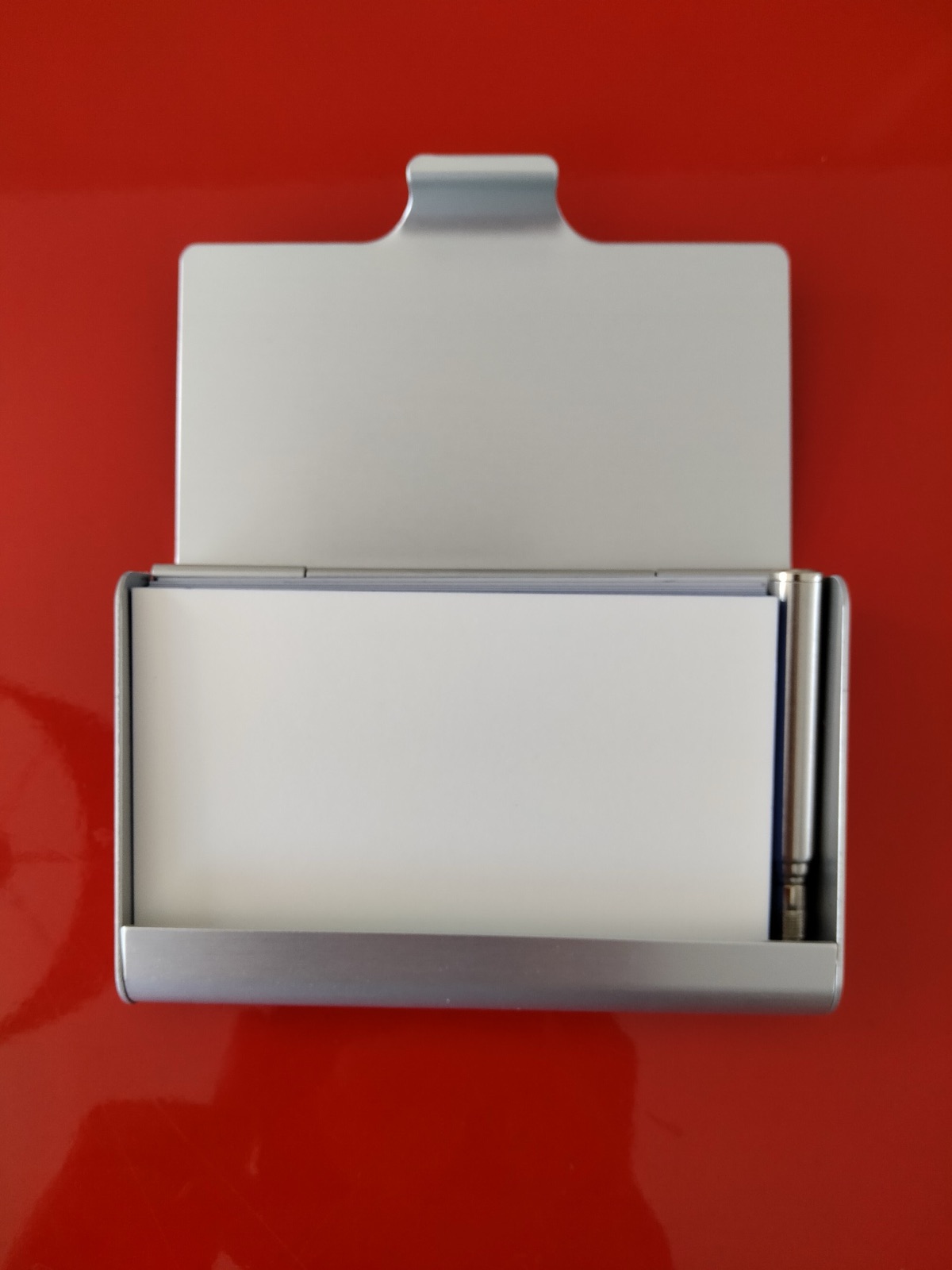
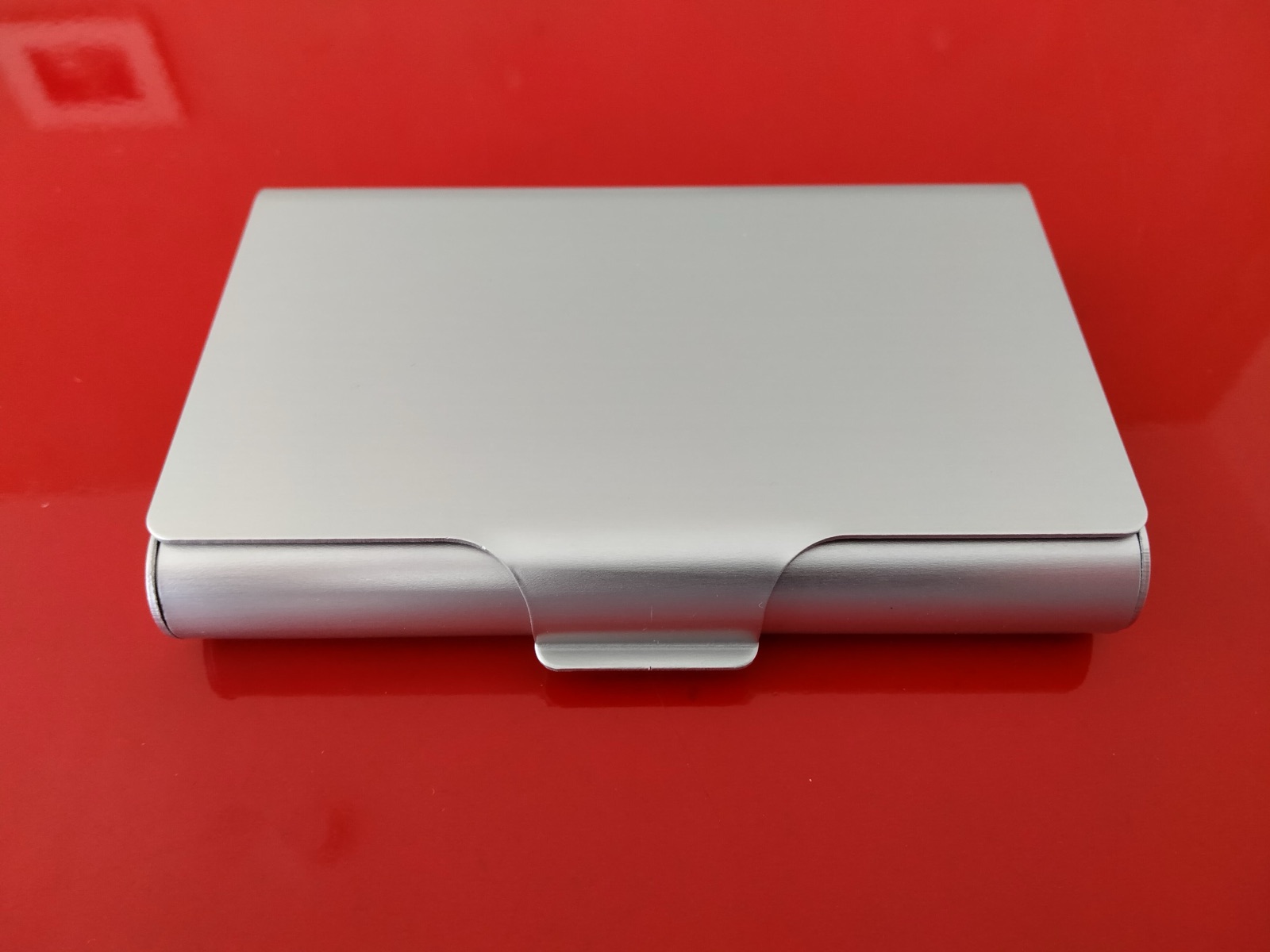
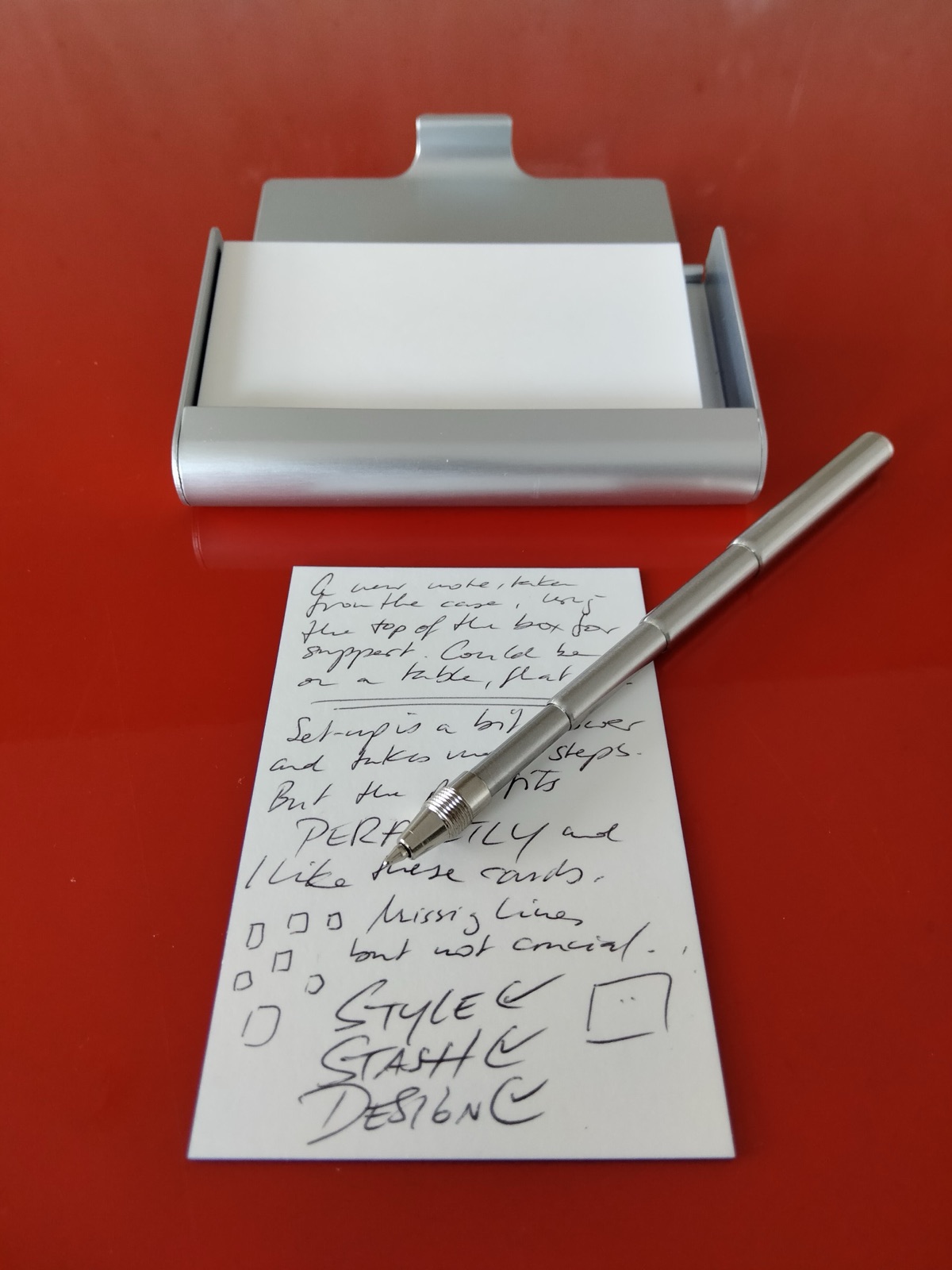
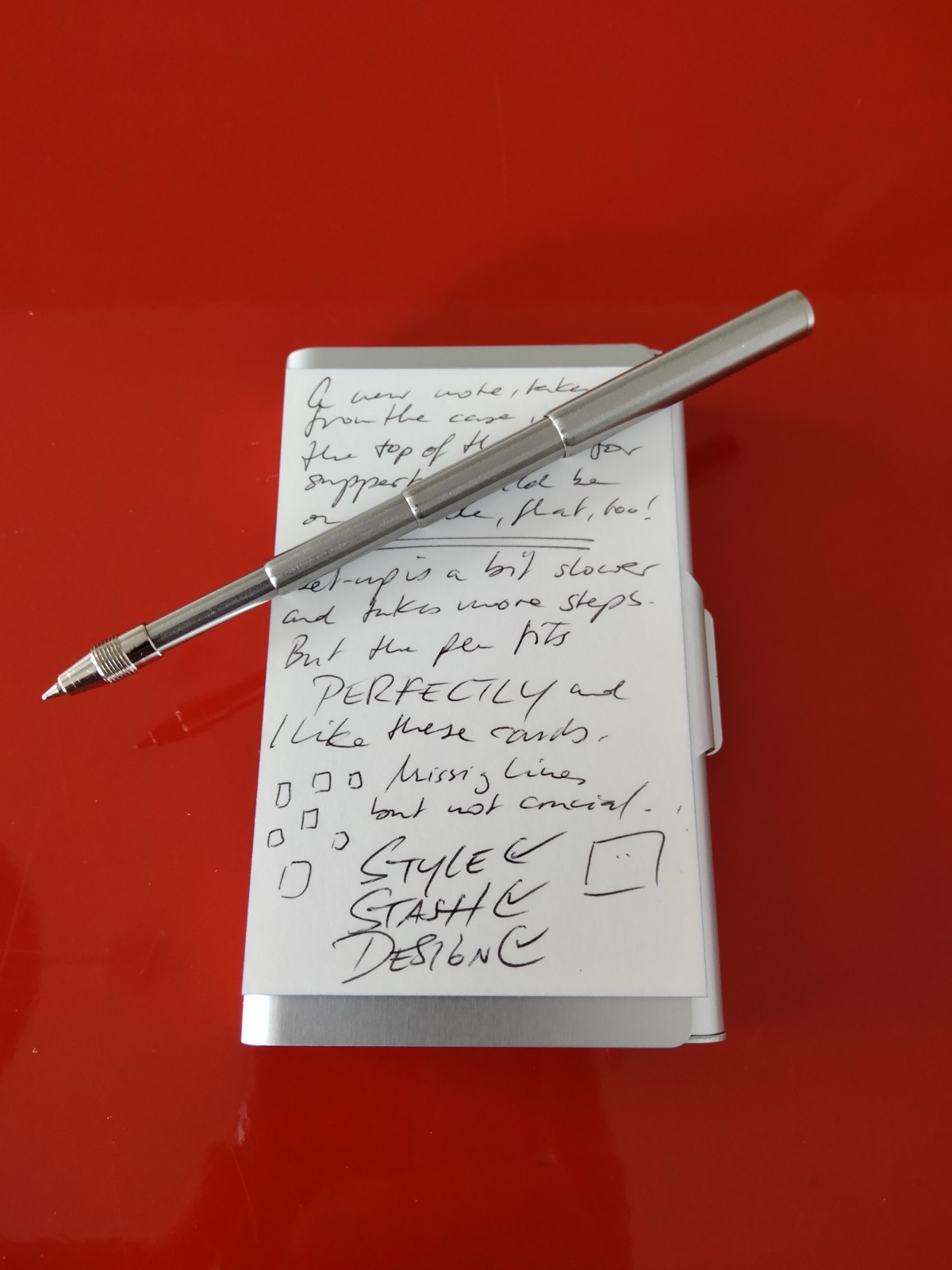
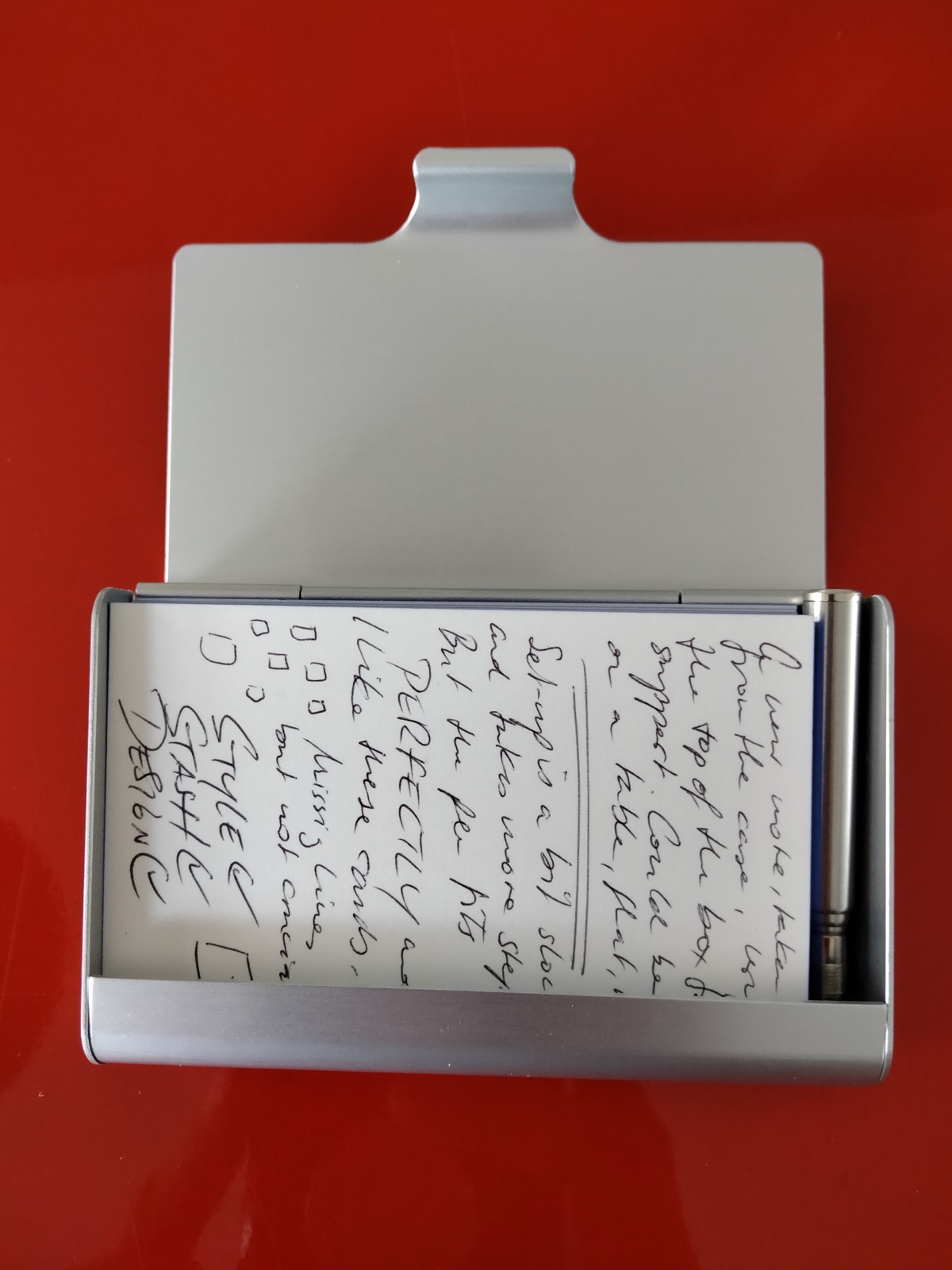
I like the cards, it’s thick paper and feels more valuable
What’s not working
Not sure why but the pen sometimes didn’t write at all on the cards. After I inserted a new pencil tip, it could be grease from my fingers or the stock itself
Holding the card while standing with one hand isn’t ideal but not super bad either
The cards are definitely smaller than the notepad so I had to get used to that and still am
What I’m not sure of
I just took the photos but the order of the cards somehow got changed, so the photos are not in sequence. I’m not sure if this will matter?
Just how weird does it look to the outside? (Not that that really matters but I wonder)
Didn’t really miss the lines for writing but could print out a few to test
Experiment Result
Keep cards, case and pen as-is
Continue exploration
Iteration 4
Demo
All Notebook Photos
Micro-Notebook S21 – Berlin 5 (Photos)
About this iteration
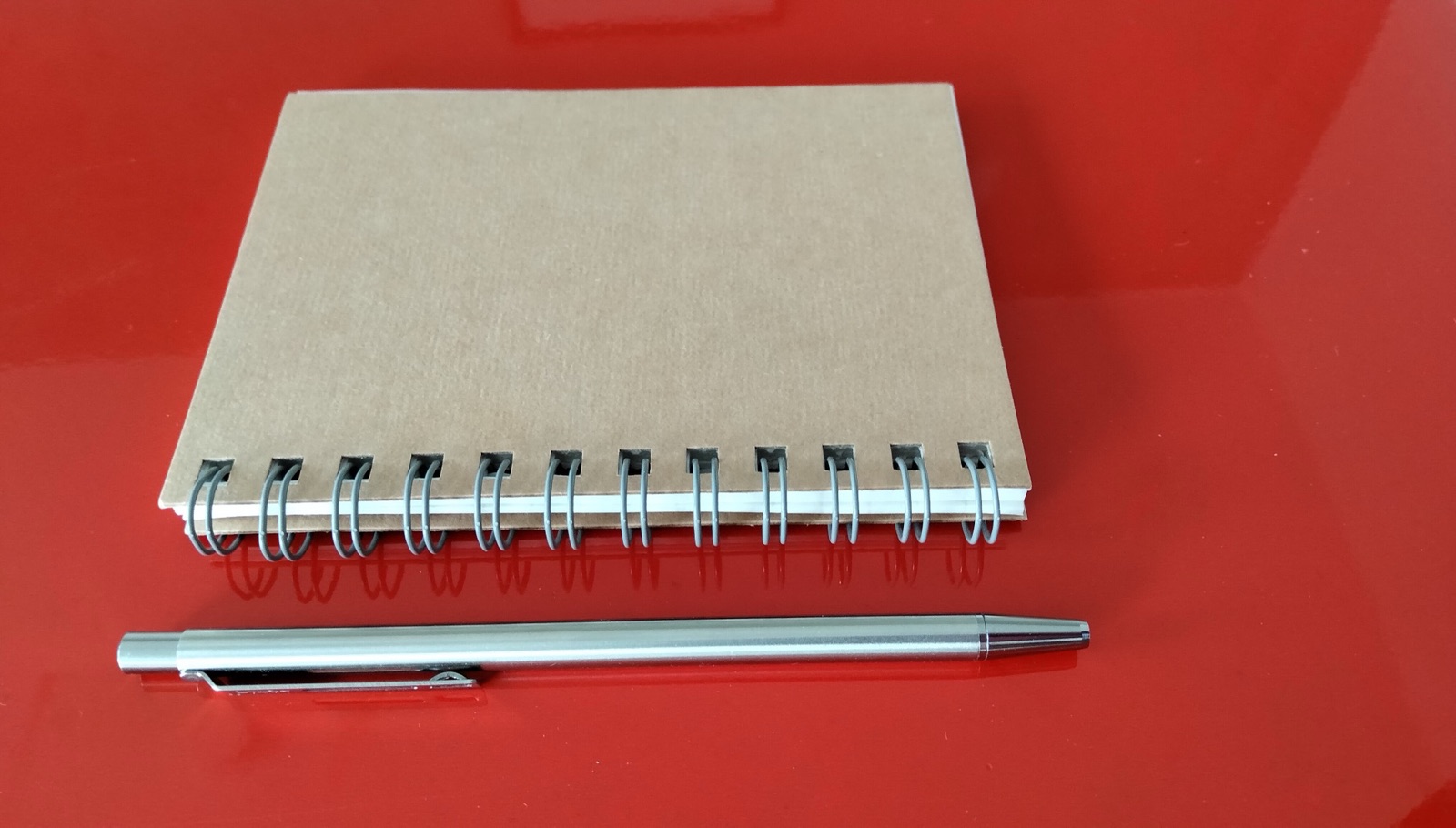
Funnily enough, this one started out as a “backup” notepad because I had forgotten my then-current one at home. Because I was going to be out and about the whole day, I went to Muji and bought this notebook on purpose (and the Muji Fountain Pen by “accident”).
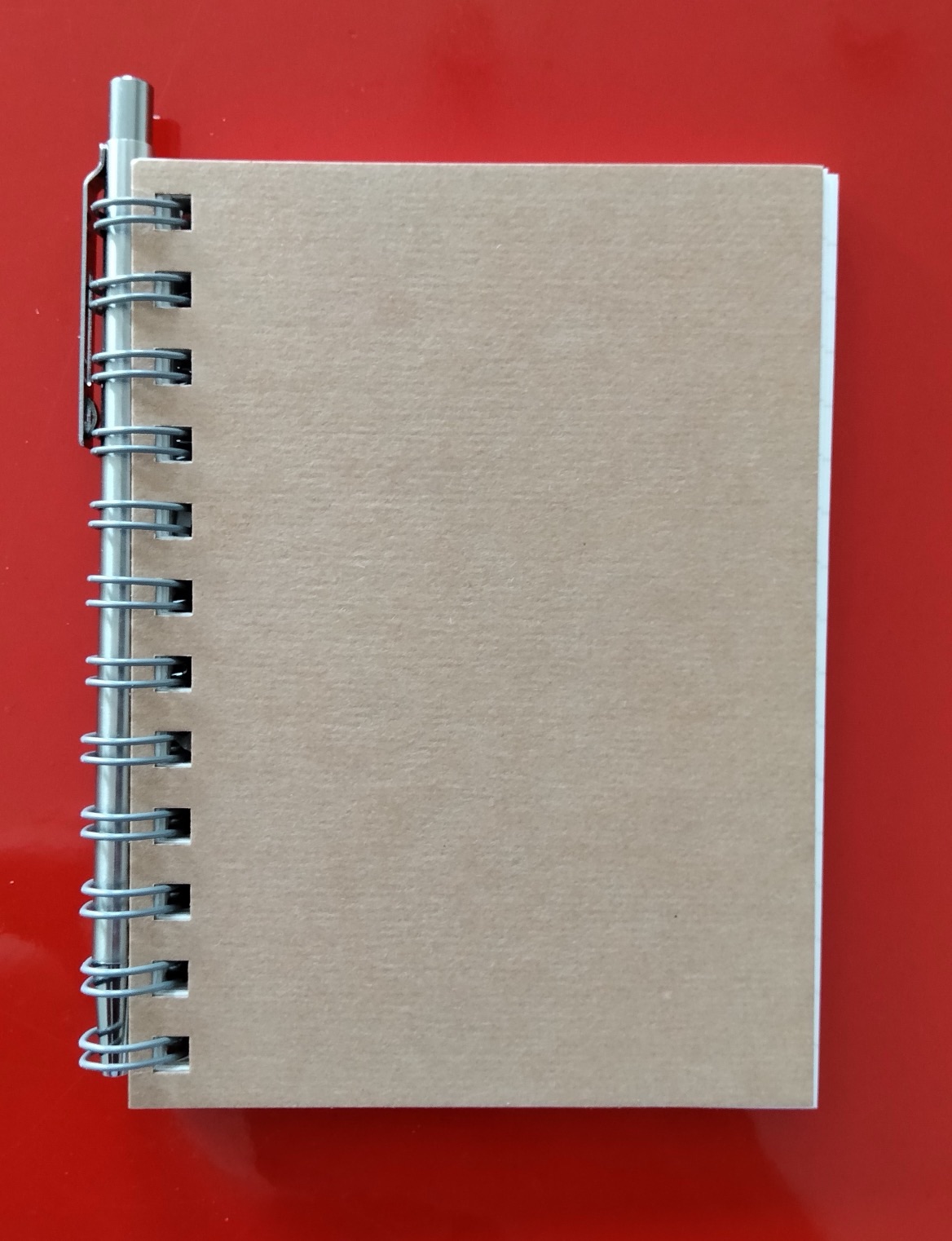
I liked the format but – obviously – the fountainpen wasn’t going to be my “out-and-about” combination (still very nice to write with though). So, when I got home, I looked around and picked up the slim “Birdie” ballpoint pen I had bought at Luiban a few weeks earlier. It’s a very nice-writing and nice-looking pen and as I held both in my hand, I saw that the pen might, maybe, could (could it?!) fit in the spine of the notebook.
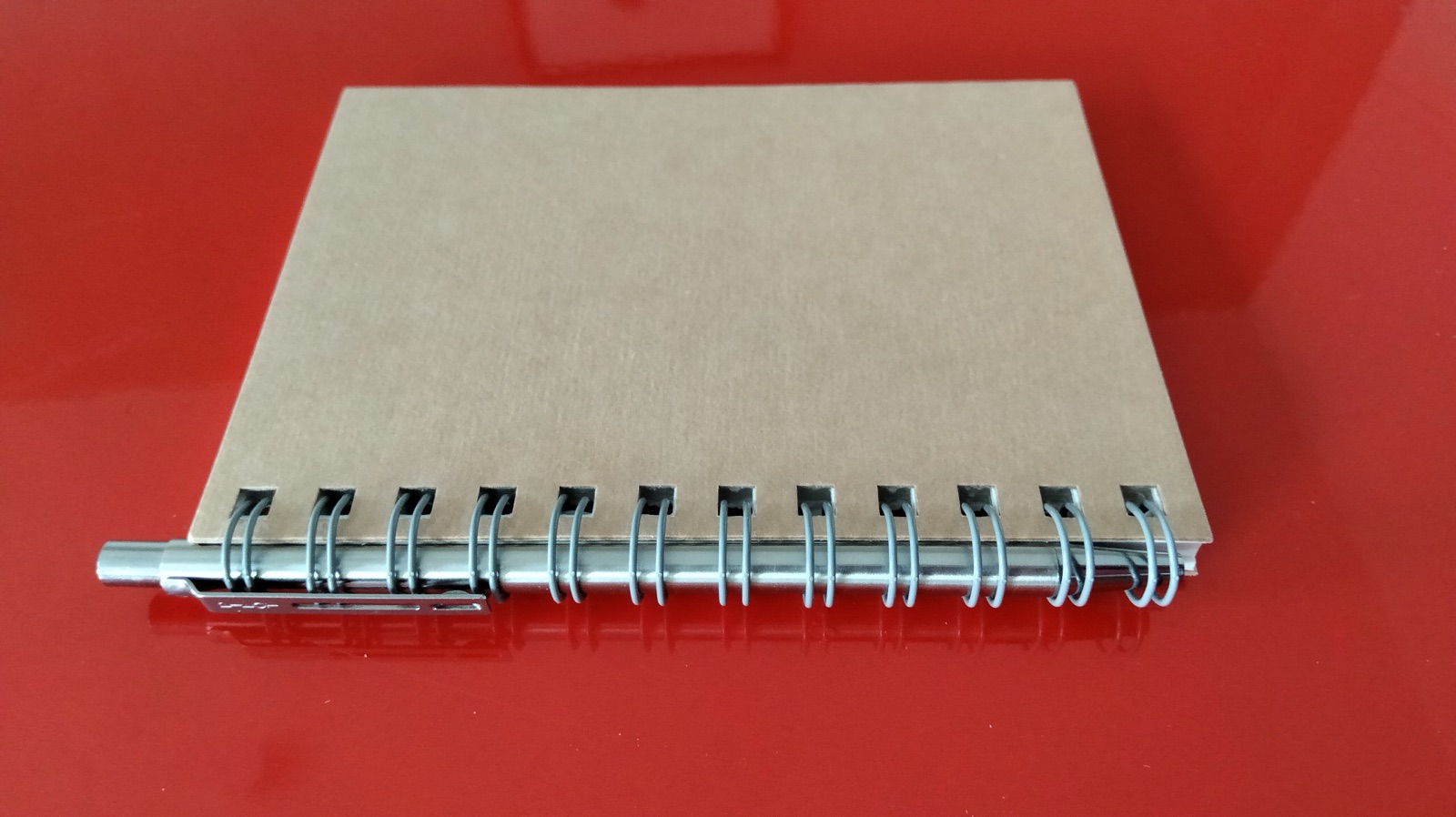
And fit it did.
As you can see above, it didn’t only fit. The pen also has the right fit length-wise! (I don’t mind the top cap sticking out a bit.)
So, yeah, that wound up being a great combo that I hadn’t even thought of.
Materials
Pilot Kugelschreiber “Birdie”^8 bought at Luiban – 10€
“Notizbuch mit Doppelringbindung A7, Beige”^6 from Muji – 1.50€[^7]
What I like about it
The pen fits nicely on the side, exactly how I had hoped it could
The side-binding is easy to flip through pages
The pen writes smoothly and I can easily buy replacement tips
What I don’t like about it
I feel like the pen was too expensive at 10€
Review after 3 weeks
What’s working
Overall, great experience
Nicely integrated
Without thinking much about it…, I’m already with my second notepad with this setup
Note: Interesting, I made the decision sub-consciously. This may be the “no-brainer” I’ve been looking for
Without thinking much about it… I’ve bought 3 additional notebooks (one in black which I’m currently using)
Without thinking much about it… I’ve also bought 5 replacement tips at 2€/each
What’s not working
Nothing comes to mind
Open questions
No open questions at this time
Experiment Result
Keep setup as-is
Have [[#Iteration 4]] as alternative for more interactive note-taking sessions (by myself and with others)
To build on what’s there already and make it better.
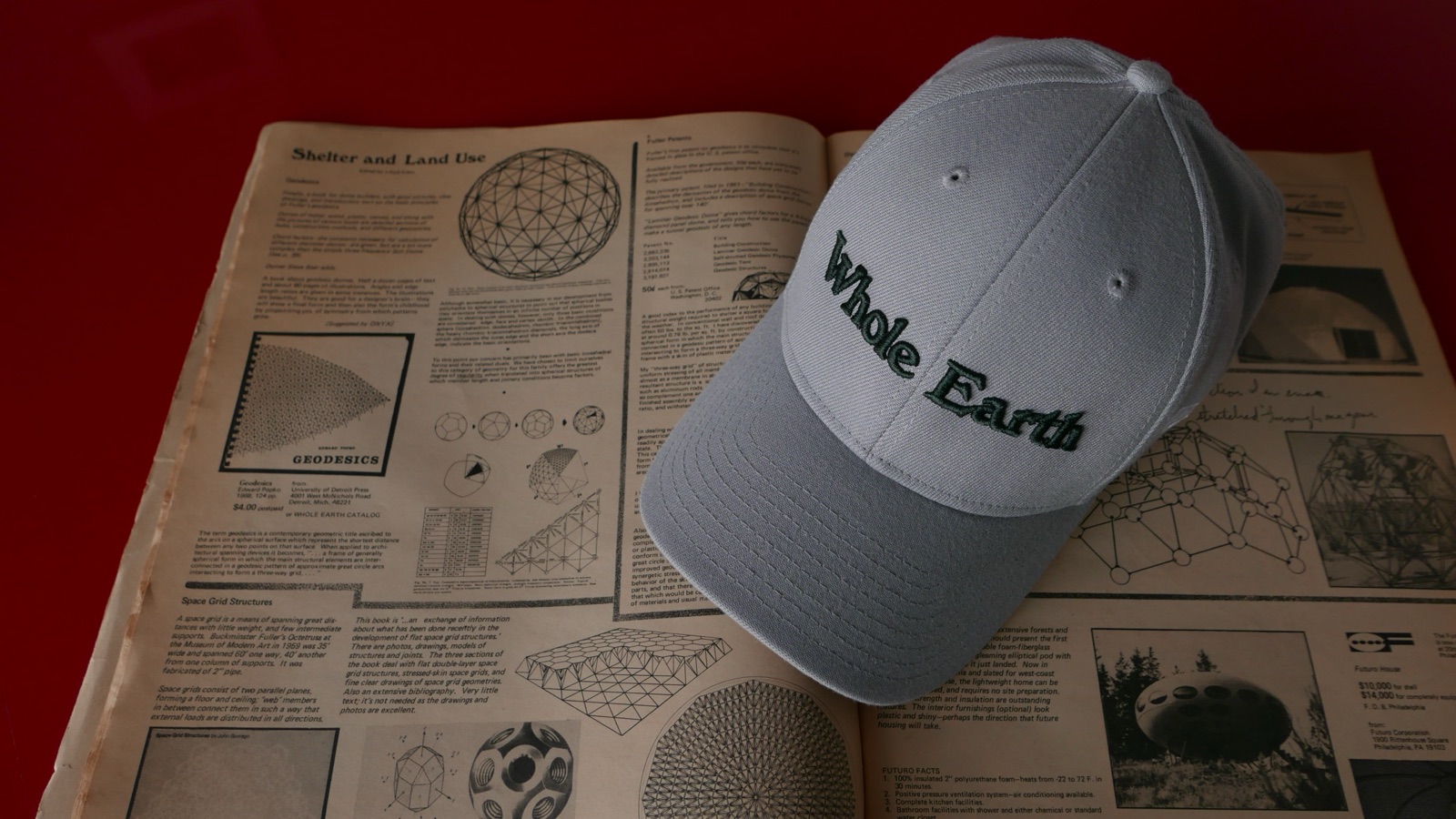
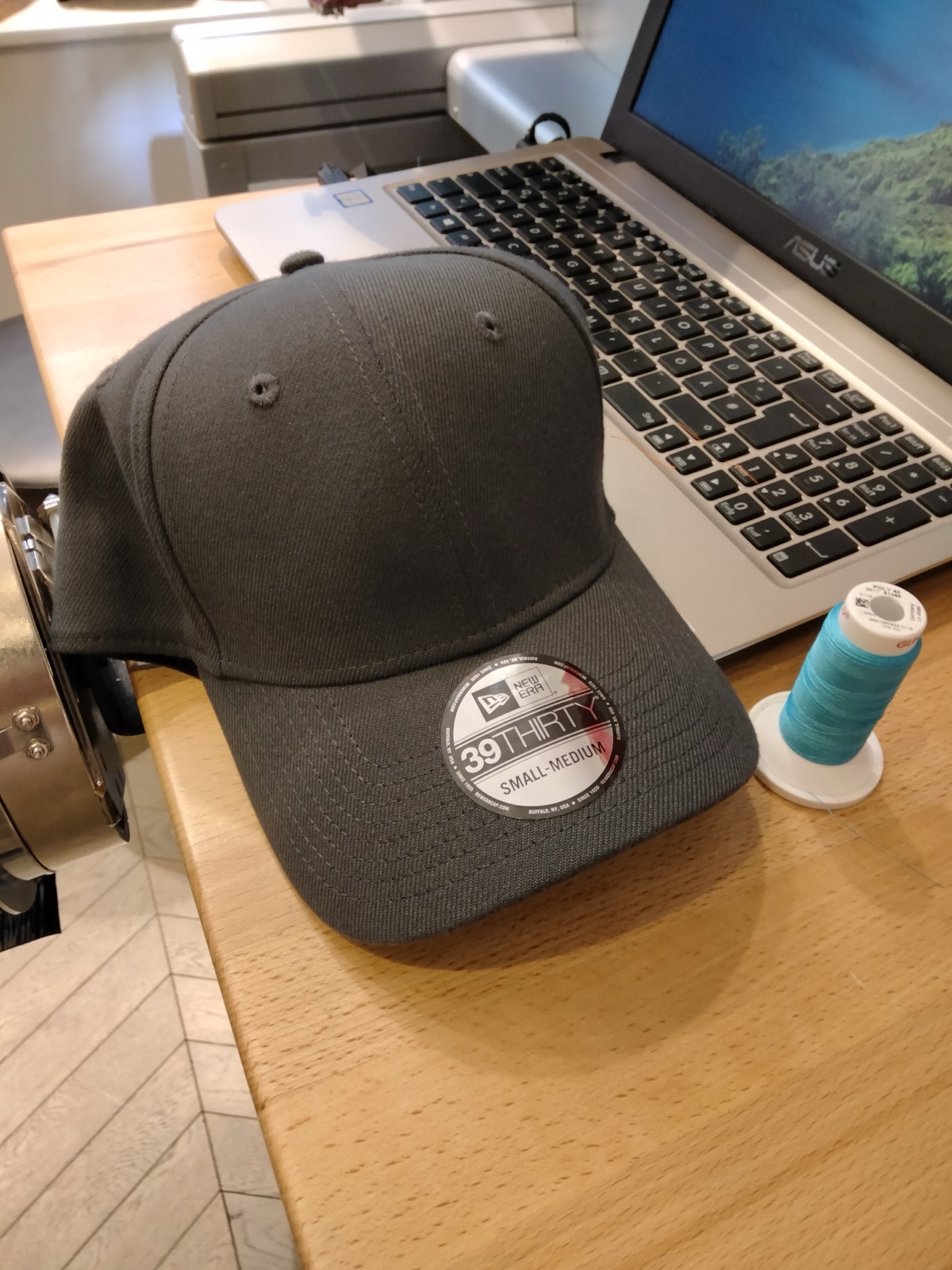
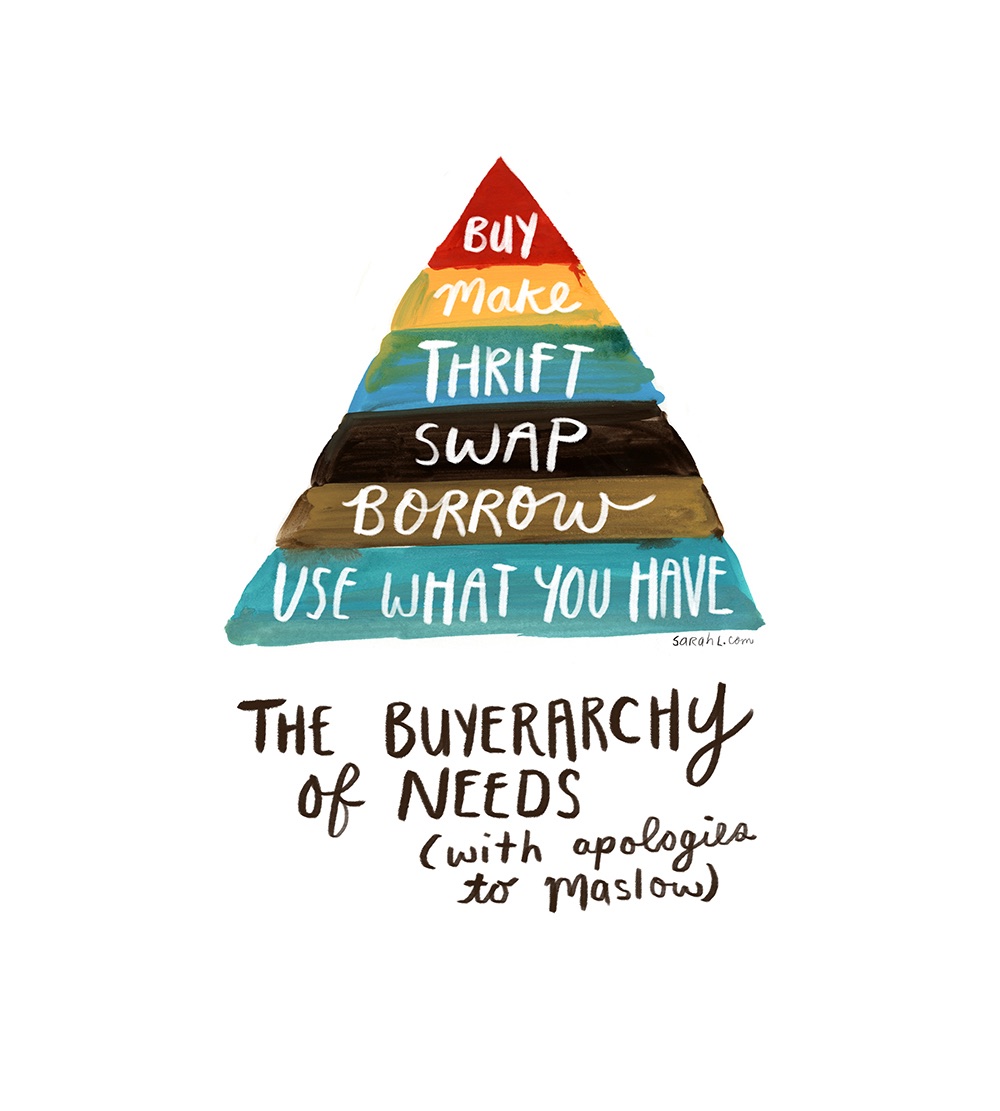
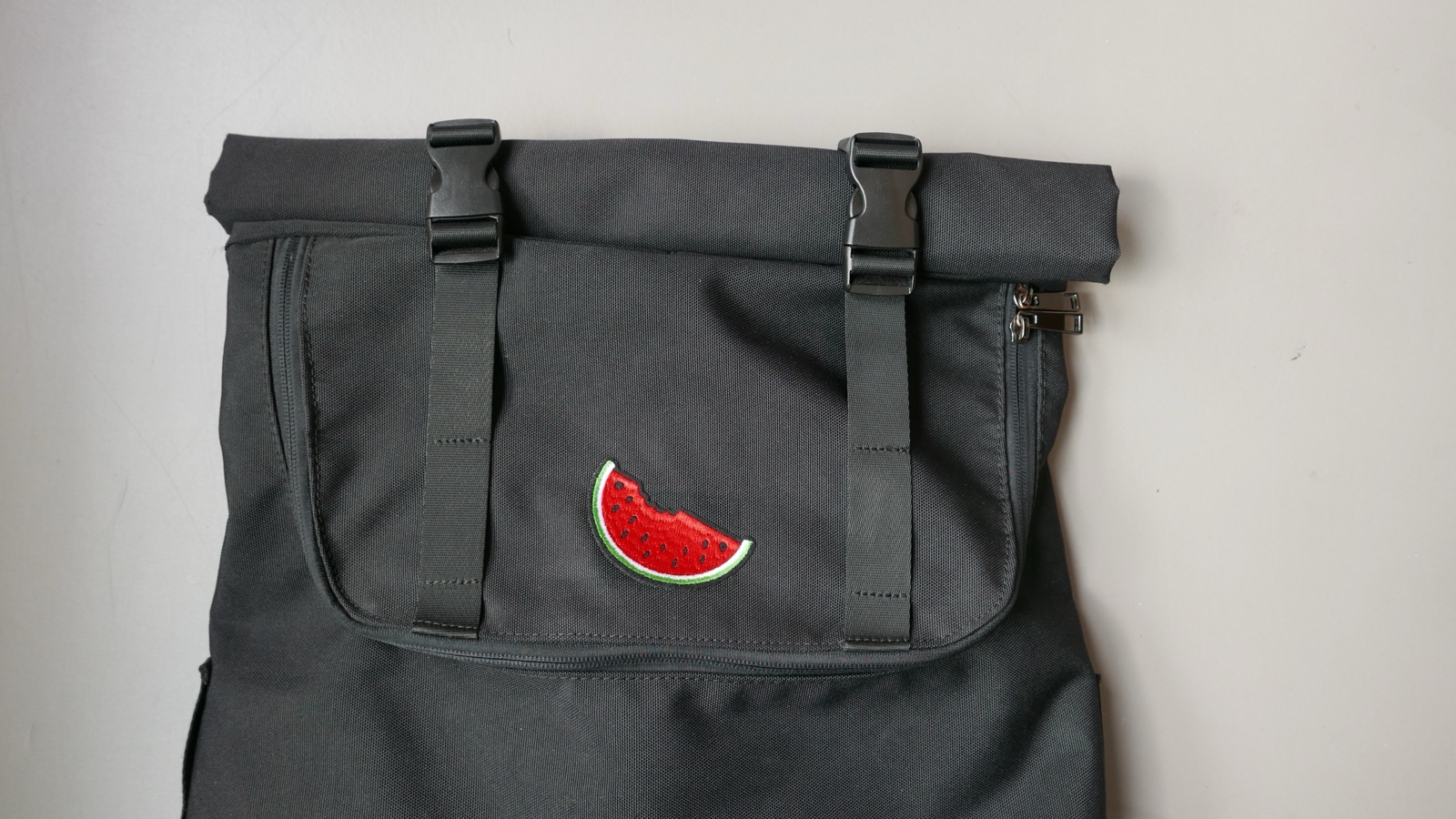
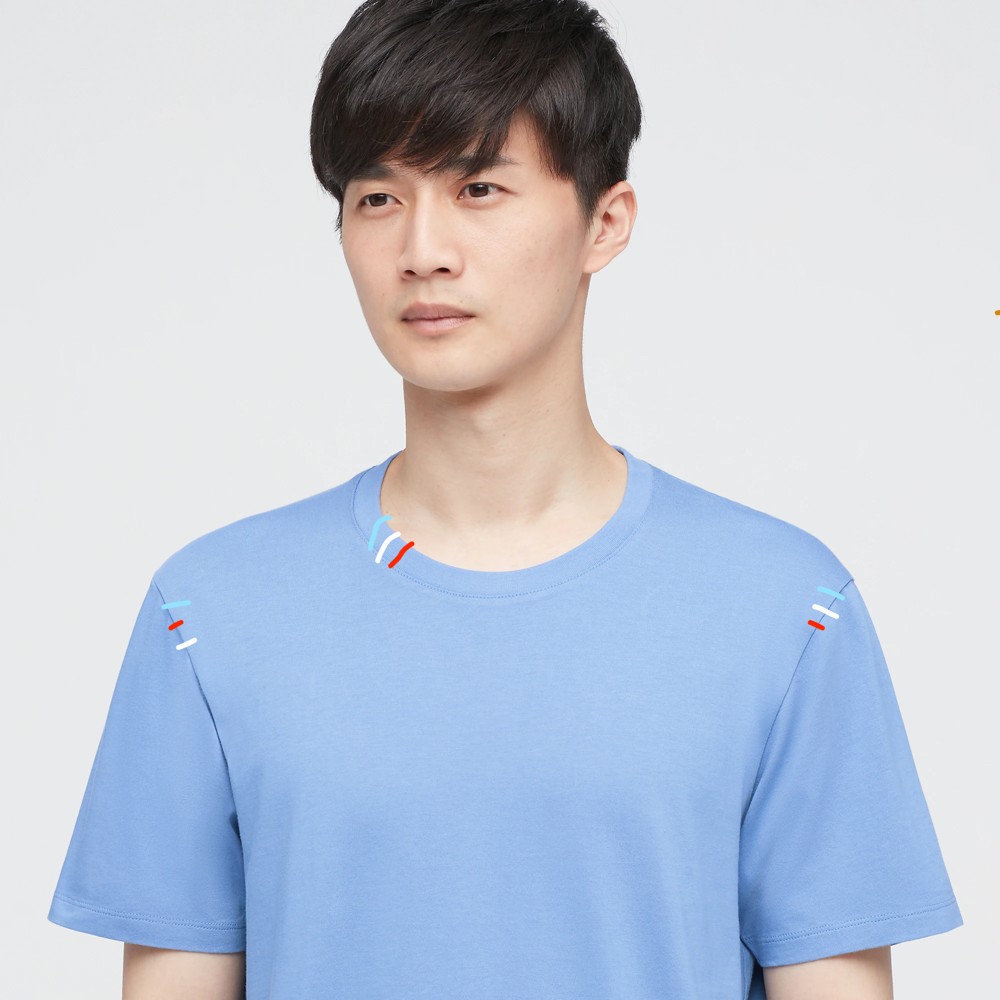
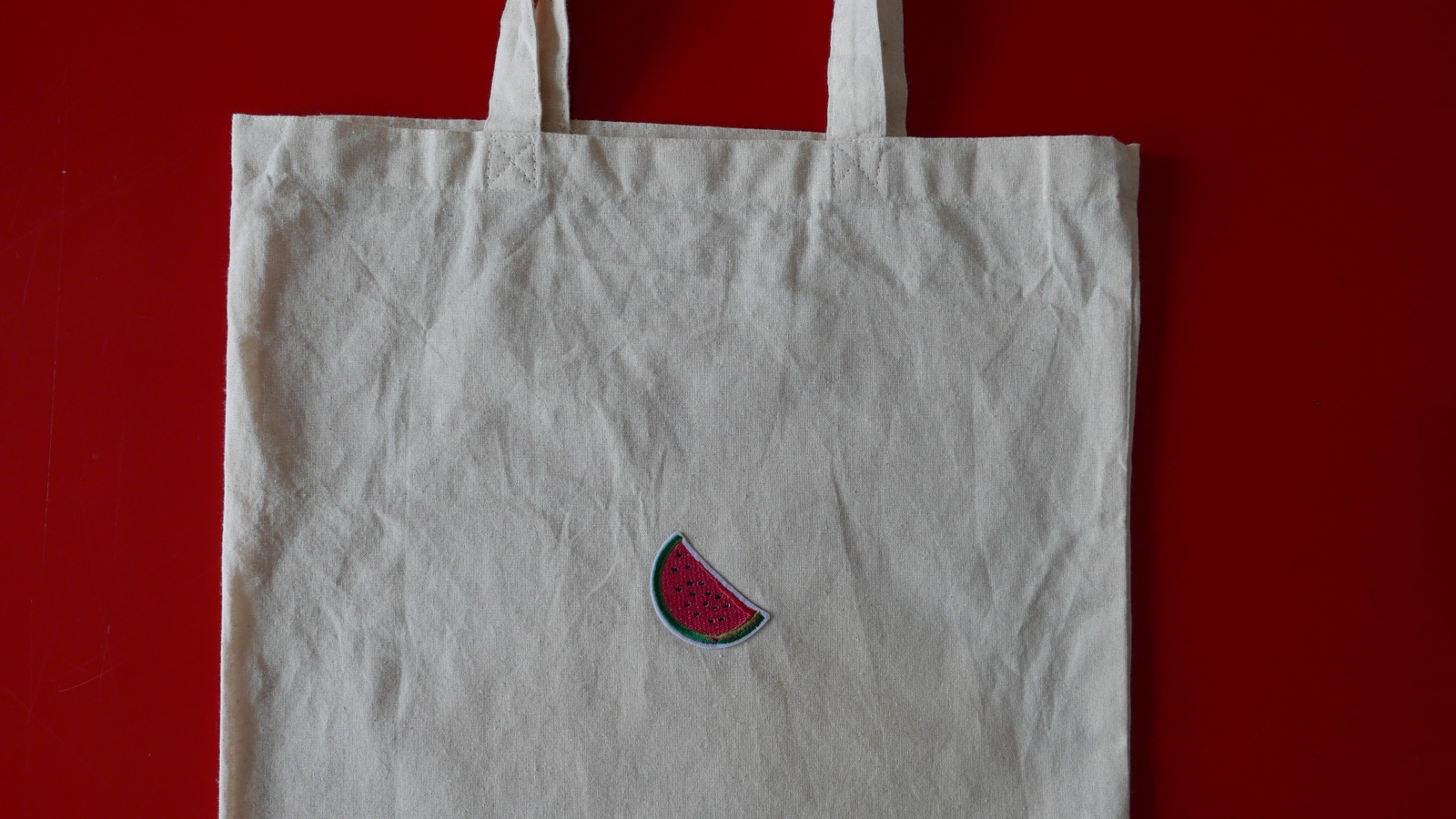
Idea is to buy regular clothes, like from Uniqlo, but customize them uniquely and with a high degree of sophistication (think embedded gold rather than silk-screened) so they become something better and new. Add surprising details.
Improvements
What would be better?
A different color
Small details
More colors
What’s missing?
Having a pocket here
Customized My Everyday Items
Reframe a shoulder-bag as a hip-bag
I’ve been looking for a non-douchy hip-bag but couldn’t find anything in Berlin that didn’t make me feel weird wearing
I went to Muji and found their shoulder bag for men
First I was put off because I didn’t want a shoulder bag but the item itself intrigued me
The same idea could also work with off-the-mill, cheap and boring porcellain which would be re-glazed (is that even possible) with better, more interesting colors and textures.
LUMYN– Gefällt mir sehr gut, weil es um Licht geht (”Lumen, Lux, Luxus…”). Licht im Sinne von “Sichtbarkeit”, “Discovery”. Die Richtung mmN. passt gut, da bei AI ist alles etwas DIFFUSER und UNTERSCHWELLIGER. Es glüht und schimmert und glitzert eher. Wie z.b. 🐛💡Glühwürmchen oder 🌌diese Algen, die nachts leuchten oder 🪼 diese Leucht-Quallen (”Bio-Luminescence”) Weil die Antworten eben nicht so scharf umrissene Antworten gibt. Für klare Antworten passt natürlich “🔦 Spotlight” und “☀ Raycast” 😂
Direction-Finding
Sparkle
Ease
Mate
Flow
Magic
Swift
Pulse
Gleam
Spark
Smooth
Glide
Pace
Verve
Pace
Flash
Twist
Surge
Beam
Pep
Sprint
Kin
Bolt
Zest
Attitude, Branding and Standing
Fuck Clippy and Sidney and even Pogo
Let’s make it PERSONAL because it’s coming from US
Alexis
Observe
Tobi
RUN, PERFORM, EXECUTE
Inspos
Buttercup 🌼
Easy to say and remember
Der Song ist schön
Organic, süß, klein
Shuck 🦪
→ Oyster, it takes a few tries to open it, pearl
Verb, not noun
Oyster / Oysterbar
Shucker
Butter 🧈
Buttery
Butterbar
Smooth, Easy
Punk 🌋
FUCK 💥
Inspired by Pistol (TV Series) – Einfach mal was neues und rebellisches
Denn ansonsten tun alle so, als ob alles gut ist
PUNK
Suicide (Band)
New York Dolls (Band)
Dead Kennedys (Band)
Blood, Sugar, Sex, Magick – Red Hot Chili Peppers
Resources
Smoothie Pogo Midjourney Inspos
Appendix
Idea “Smoothie”
Brainstorm 5 playful, whimsical single-word names for an app that’s currently called “Smoothie”. Do not include “Smoothie” in the suggestion.
Purée
Frappe
Refresher
Shaker
Slurpee
Brainstorm 5 playful, whimsical single-word names for an app that’s currently called “Smoothie”. Do not include “Smoothie” in the suggestion. Riff on “Slurpee” if you’d like!
Slushy
Swiggy
Slushie
Jiggy
Fruity
Idea “Pogo”
Brainstorm 5 playful, whimsical single-word names for an app that’s currently called “Pogo”. Do not include “Pogo” in the suggestion .
Frolic
Bop
Boing
Jiggy
Zingy
Fictional Riffs
Brainstorm 10 playful, whimsical, fictional single-word names for an app that’s currently called “Smoothie”. Do not include “Smoothie” in the suggestion. Riff on “Slurpee”, “Pogo”, “Jiggy”, “Smoothie”
Slushie
Jiggle
Slippy
Fruity
Poppy
Swirly
Mixer
Floopy
Slushy
Shaker
Brainstorm 10 playful, fictional single-word names for an app that’s currently called “Smoothie”. Do not include “Smoothie” in the suggestion. Riff on “Slurpee”, “Pogo”, “Jiggy”, “Smoothie”, “Floopy”. Do not include real words or names.
Slurpoo
Poggy
Jiglee
Flurple
Slurfie
Poglo
Jiggo
Floople
Slurple
Poglee
Brainstorm 10 playful, fictional single-word names for an app that’s currently called “Smoothie”. Do not include “Smoothie” in the suggestion. Riff on “Pogo”, “Smoothie”, “Floopy”. Do not include real words or names.
Pogoee
Floople
Swooshie
Ploopy
Sproogle
Splooshy
Sloopy
Goople
Boopie
Flooshy
3# Brainstorm a list of 5 fictional, made-up, cute, single-word names for a small companion. Riff off of “Flopsy”, “Pogo”, “Floppy”, “Bitzi” (Formatted as a markdown document)
Flick
Noodle
Poppy
Smushy
Tubby
I agree it seems weird if it’s the first contact.
To me it makes a bit of sense because I had built a GPT3-based chat two weeks ago, based on their completion documentation^1
The “format” for this prompt already has everything System prompt, user and assistant.
The following is a conversation with an AI assistant. The assistant is helpful, creative, clever, and very friendly.

Human: Hello, who are you?
AI: I am an AI created by OpenAI. How can I help you today?
Human: Please translate "Hello" to German
AI:
To retain context, I kept the system prompt on top and added the prior prompt/completions to the history stack in-between.
End-user-experience-wise, this worked really, really well. Practically as good as the ChatGPT UI.
As a developer though, it was not fun for obvious string-fiddling-splicing-and-dicing reasons. But again, this worked well and I would have kept it as-is for as long as possible.
So it wasn’t a giant leap when I saw the official format.
<|im_start|>system
You are ChatGPT, a large language model trained by OpenAI. Answer as concisely as possible.
Knowledge cutoff: 2021-09-01
Current date: 2023-03-01<|im_end|>
<|im_start|>user
Hello, who are you?<|im_end|>
<|im_start|>assistant
I am an AI created by OpenAI. How can I help you today?<|im_end|>
<|im_start|>user
Please translate "Hello" to German<|im_end|>
I’ve used that, too, and handling of prior conversations became a bit more manageable.
Your YOUness is what makes you a one-in-a-billion event in all of time and space.
Ever.
Your YOUness is endlessly valuable to the world because you exist only once.
It’s all the books you’ve read, people you’ve met, places you have visited, places you’ve lived in, songs you heard, tools you’ve used, events that you took part in, the pain you’ve suffered, the joys you have discovered.
All of that has made you who you are and what you care about.
It has shaped how you look at the world, what you deeply value, what surprising connections you make, what incredible ideas you’ll have.
Your YOUness is is your unique point of view into the world.
It is what you can truly, honestly, effortlessly share with the world.
When I started to think about this, I was unsure what that was for me. I figured, I’d like to explore my amazing MEness.
So, with a few small exercises, I’ve started to collect what makes me uniquely, awesomely, distinctly me.
[^1]
Related
Dan Scanlon’s "Your mess becomes your message" Pixar Story
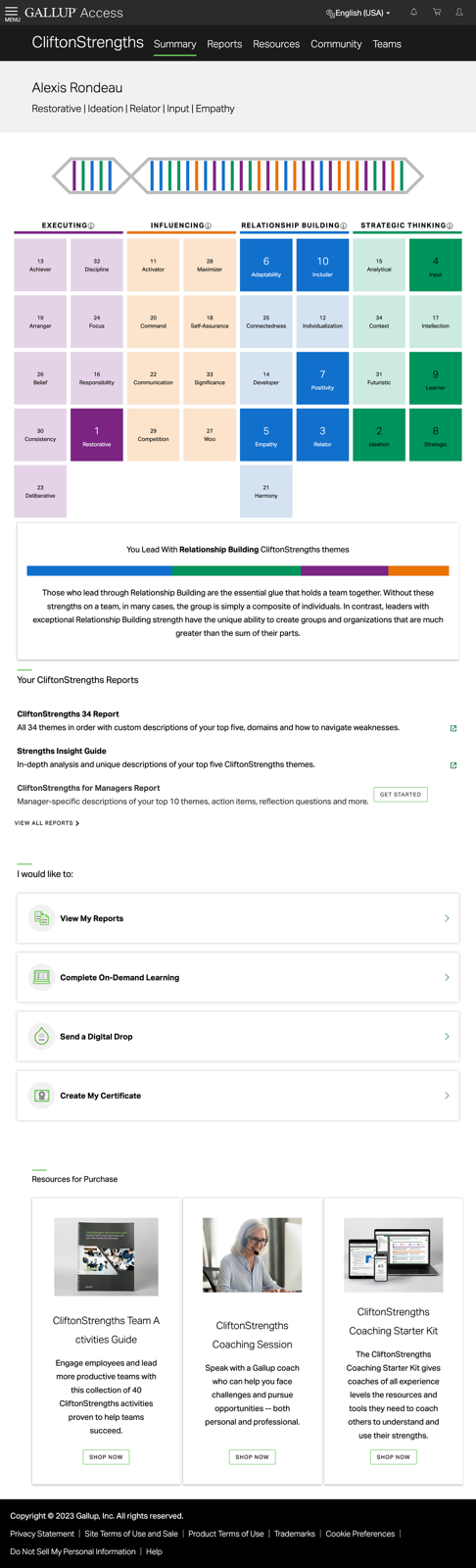
Restorative: People exceptionally talented in the Restorative theme are adept at dealing with problems. They are good at figuring out what is wrong and resolving it.
Ideation: People exceptionally talented in the Ideation theme are fascinated by ideas. They are able to find connections between seemingly disparate phenomena.
Relator: People exceptionally talented in the Relator theme enjoy close relationships with others. They find deep satisfaction in working hard with friends to achieve a goal.
Input: People exceptionally talented in the Input theme have a need to collect and archive. They may accumulate information, ideas, artifacts or even relationships.
Empathy: People exceptionally talented in the Empathy theme can sense other people’s feelings by imagining themselves in others’ lives or situations.
Restorative – Executing
Ideation – Strategic Thinking
Relator – Relationship Building
Input – Strategic Thinking
Empathy – Relationship Building
Adaptability – Relationship Building
Positivity – Relationship Building
Strategic – Strategic Thinking
Learner – Strategic Thinking
Includer – Relationship Building
My Strengths Mantras
Restorative – Executing
Ideation – Strategic Thinking
Relator – Relationship Building
Input – Strategic Thinking
Empathy – Relationship Building
I Lead With Relationship Building Themes
Those who lead through Relationship Building are the essential glue that holds a team together.
Without these strengths on a team, in many cases, the group is simply a composite of individuals.
In contrast, leaders with exceptional Relationship Building strength have the unique ability to create groups and organizations that are much greater than the sum of their parts.
THE POWER OF MY TALENTS
My unique talents for Restorative, Ideation, Relator, Input and Empathy are the most powerful starting point for living my strongest life possible.
DEVELOPING MY FIVE STRENGTHS TO MAXIMIZE MY POTENTIAL
My greatest chance to succeed — at work or anywhere else — lies in strengthening what I naturally do best and doing more of it.
ACTIONS
Read and reflect on your results to understand what you naturally do best.
Learn how to apply your strongest talents every day.
Apply RESTORATIVE ACTIONS
Apply IDEATION ACTIONS
Apply RELATOR ACTIONS
Apply INPUT ACTIONS
Apply EMPATHY ACTIONS
Share your results with others to create stronger relationships and improve teamwork.
▶ Watch on Twitter

▶ Watch on Twitter
 ▶ Watch on Twitter
 EuChemSElement Scarcity - EuChemS Periodic Table - EuChemS↗ euchems.eu
 FutureMeFutureMe: Write a Letter to your Future SelfWrite a letter to the future and read the public (but anonymous) letters from others. FutureMe has been delivering letters to the future for millions of people since 2002.↗ futureme.org














 I templated the main three experiment types that I usually run: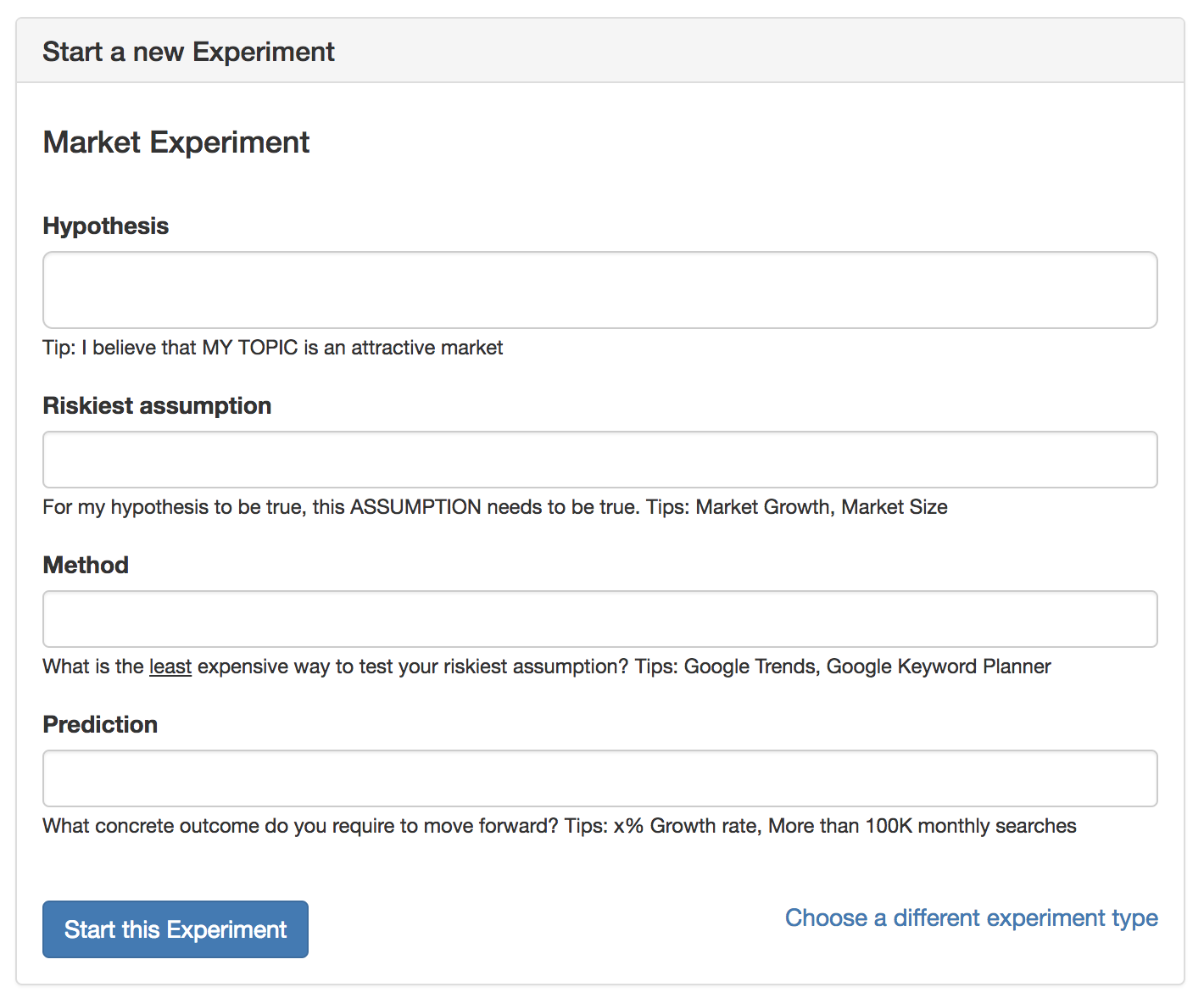












 To build on what’s there already and make it better.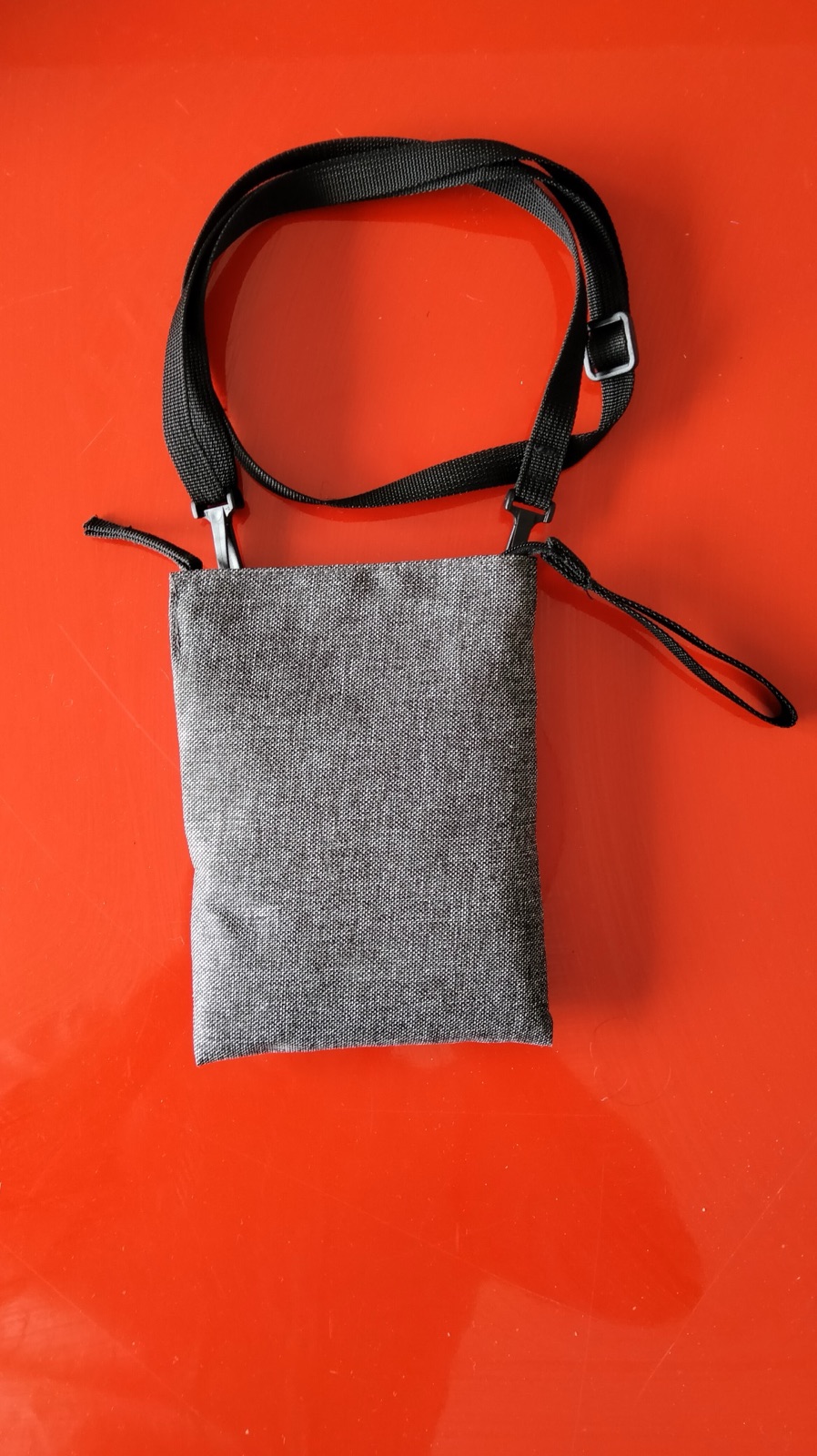






 [^1]
[^1]