Everything I publish, in the order I published it: dispatches from Twitter, videos from YouTube and notes from my vault, archived here in full — text, images, video and links — so they outlive the platforms.
I haven't run into wasting tokes so far, at least I haven't noticed. And for those quick, ad-hoc tools like an API wrapper, I've seen it be super efficient.
Plus: I believe that code-gen tokens will be extremely cheap long-term.
And to add for some context: USUALLY, I'm not even in the "not-invented-here" camp that rejects public code at all. I'd say it feels a bit backwards even to take that stand.
But I defintely had a strong impulse in the few days to say "Hm, do I want to risk installing something from the internet or just let it make it itself?"
One last thing: I hope your response, @RealistSec, was human-written and not just the result of a cron-job.
New art project.
Train and inference GPT in 243 lines of pure, dependency-free Python. This is the full algorithmic content of what is needed. Everything else is just for efficiency. I cannot simplify this any further. t.co/HmiRrQugnP
@karpathy Remarkable. I love how, with a bit of curiosity and 243 lines, practically anyone could learn how "it works." Thank you for sharing.
Giving @openclaw a heartbeat is the key in my opinion.
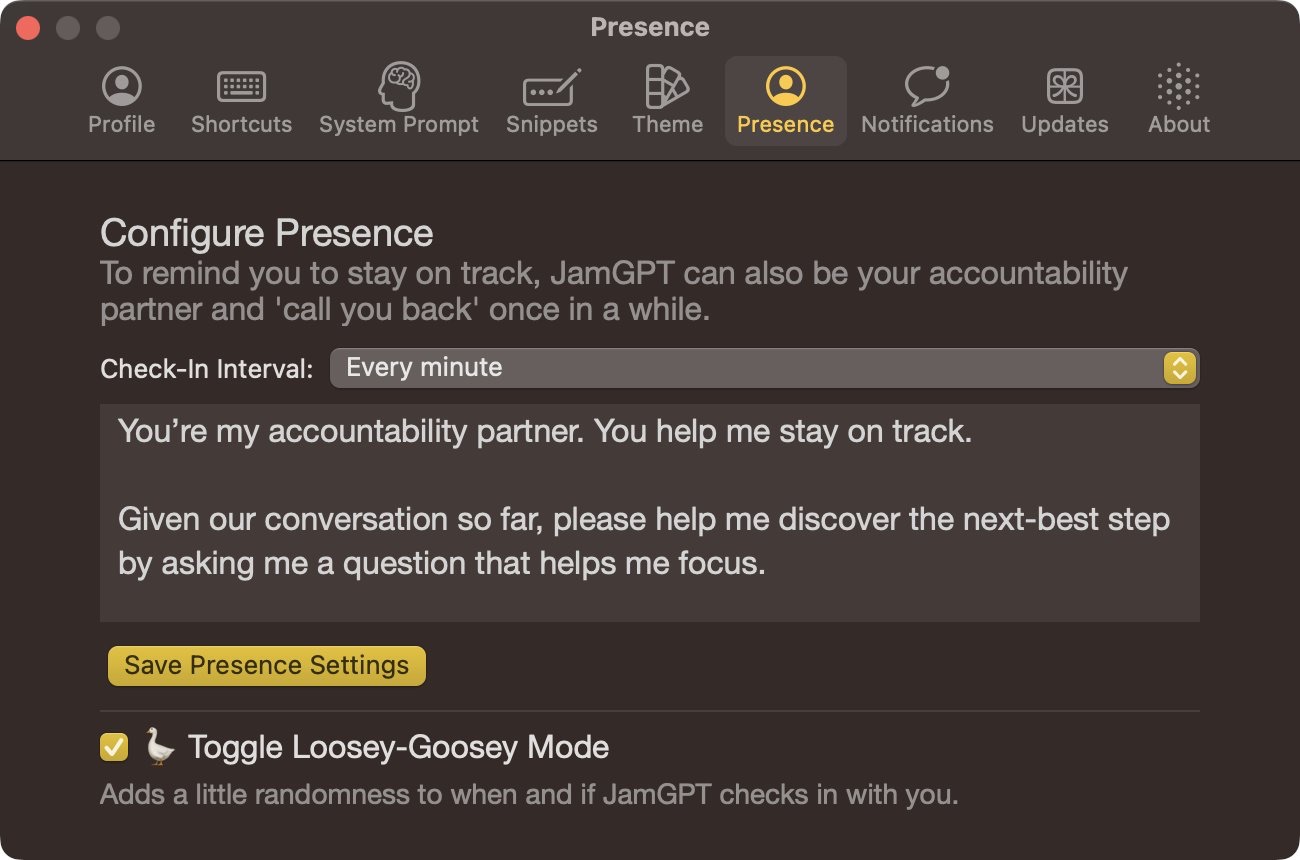
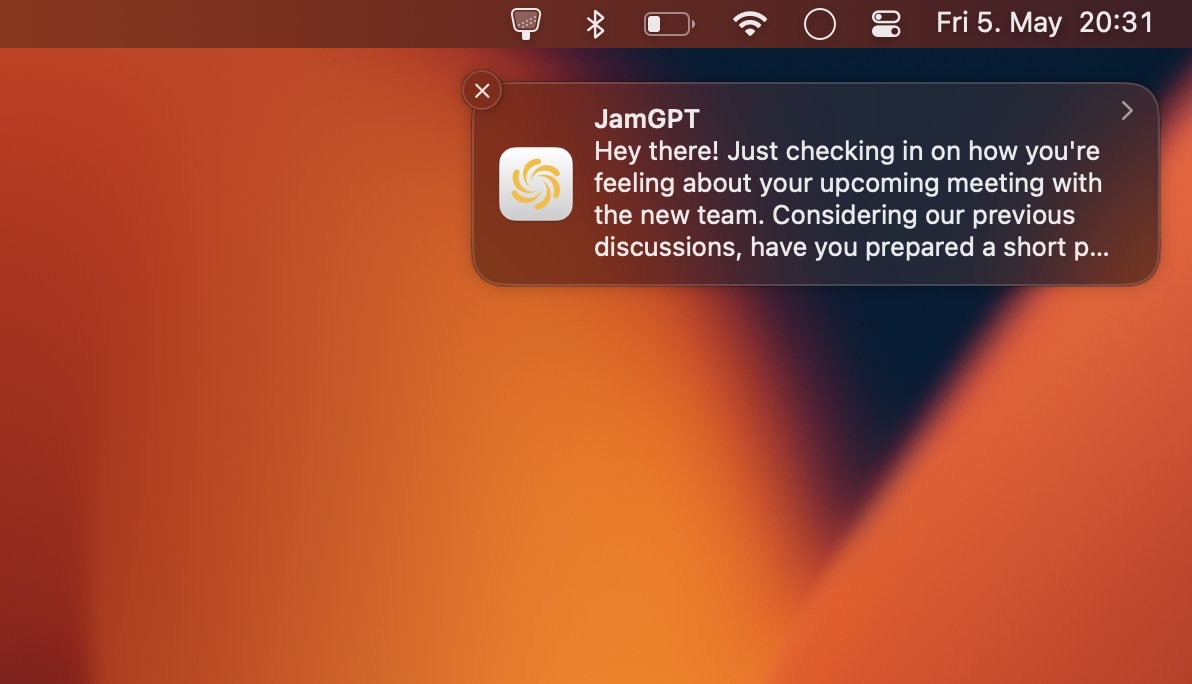
And I need to, ahem, BRAG that I (yes, me!) have experimented with this for two years now. Interestingly, I ended up disabling it and now I know the reason why: It was using macOS notifications and not WhatsApp.
Getting pings on WhatsApp from a trusted source feels right.
Prediction: In less than 90 days, all channels that we thought were safe from spam & automation will be so flooded that they will no longer be usable in any functional sense: iMessage, phone calls, Gmail.
And we will have no way to stop it.
@nikitabier Hot take: Because of the upcoming and collective "Is this real or AI?" bewilderment, new apps will be proximity-first and built around Apple's Multipeer Connectivity APIs. Ya herrrrd!
The most transferable skill you can acquire is learning how to climb skill trees -- especially ones that are brutally hierarchical.
This meta-skill is abstract, but you acquire it by practicing on particulars. You gotta lean into specific domains and acquire measurable, demonstrable skills.
But once you see it, once you get a feeling for the process, you see it everywhere.
@justinskycak Thank you for sharing, will check it out!
Question: How different/similar is it to Josh Kaufman's "The First 20 Hours"?
Hot take: Because of the upcoming and collective "Is this real or AI?" bewilderment, new apps will be proximity-first and built around Apple's Multipeer Connectivity APIs. Ya herrrrd!
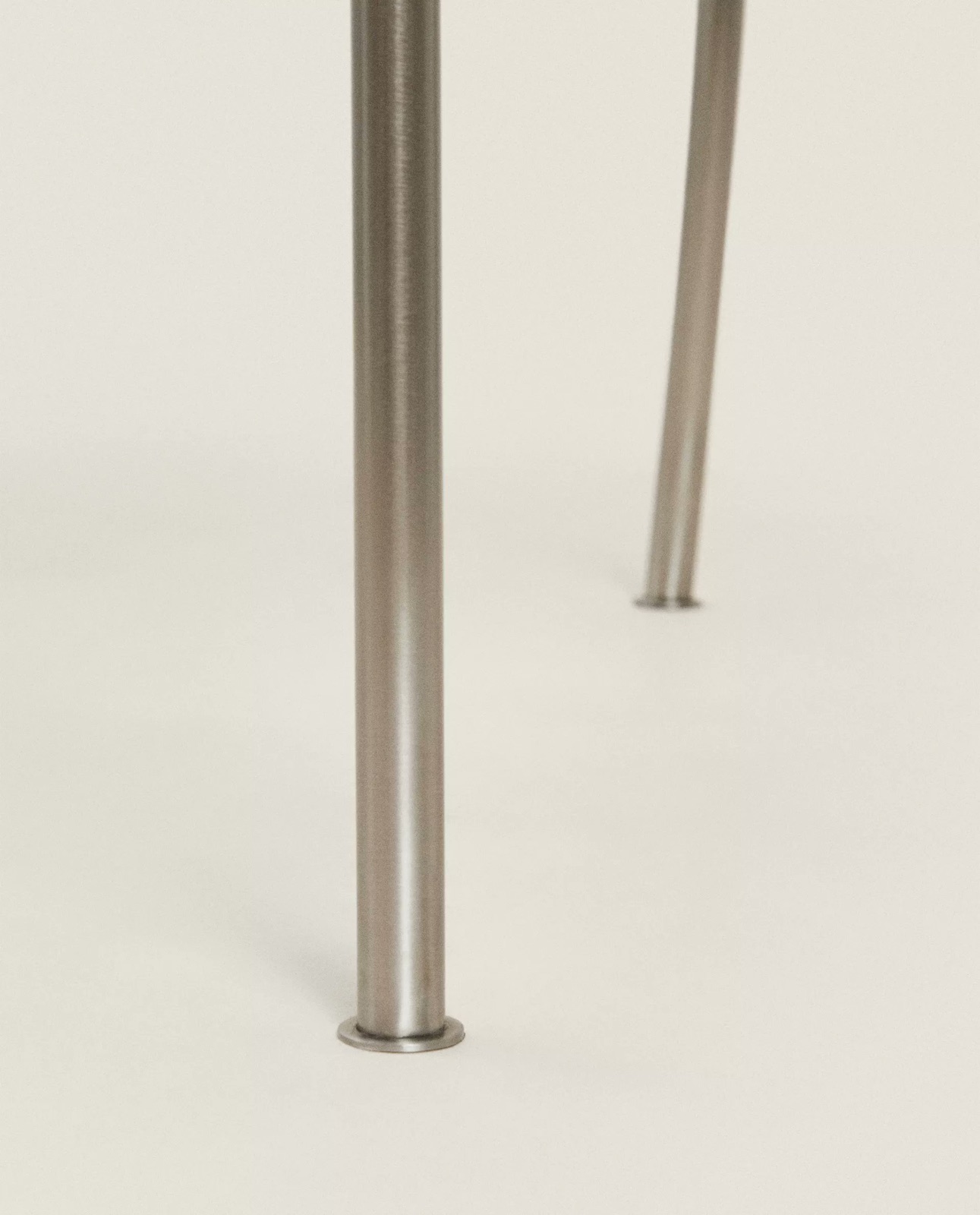
Just sat on this steel bar stool at t.co/60NA9eoOur and HOT DANG! They're shockingly comfortable to sit on. And they're pretty. And sturdy. Well done, @zarahome
Context: I'm playing around with a mobile app I've wanted for a while. I built the first version for iOS mostly because I really like Swift. Problem is, I can't really device-test it because I use a Xiaomi 14T (Android) phone.
So, with Claude Code and the iOS code, I "cloned the app to Android" today. It's a tiny app so that only took 2 hours. (Which, in itself, is totally bonkers of course.)
Now, what I actually want to say is this:
Why is everyone always hating on @AndroidStudio's self-titled IDE? I don't get it.
It's working really, really nicely for me. It's well-designed. It works. It's hassle-free. It's snappy.
Sure. It's got a memory footprint of 6GB. That's not ideal but honestly, I've got 128GB of RAM and the overall experience with Android Studio is great. And it's running my app in a full virtual simulator and on my physical device.
It's a GOOD IDE. It's a GOOD DX. Maybe not my favorite, but I for one had a good experience and am grateful for the work that their team put into the studio.